Temperature Regulation By Skin
Temperature Regulation by the Skin: How Your Body Keeps Cool and Warm
The human body is an amazing machine with several mechanisms in place to ensure its optimal functioning. One crucial function that often goes unnoticed is temperature regulation. The skin, the largest organ of the body, plays a vital role in maintaining the body's internal temperature within a narrow range. In this article, we will explore the fascinating ways in which the skin helps keep us cool or warm, depending on the prevailing conditions.
How Does Your Skin Control Body Temperature?
Our skin is incredibly versatile and adapts to different environments to maintain homeostasis, the internal balance of our body. When it's hot outside, our skin helps us stay cool, and when it's cold, it helps us keep warm. Let's delve deeper into the various mechanisms:
1. Sweating: Nature's Built-in Coolant

When the temperature rises, our body reacts by producing sweat. Sweat is primarily made up of water, electrolytes, and some traces of other substances. As sweat evaporates off our skin, it absorbs heat from our body, helping to lower our temperature. This phenomenon is called evaporative cooling, and it's one of the most efficient ways for us to lose heat.
2. Blood Vessels and Thermoregulation

Another major way our skin regulates temperature is through the dilation and constriction of blood vessels. When we are hot, our blood vessels dilate, allowing more blood to flow near the surface of the skin. This increased blood flow promotes heat loss to the environment. Conversely, when we are cold, our blood vessels constrict, reducing blood flow to the skin's surface and conserving heat.
3. Insulation: The Skin's Secret Weapon

Our skin acts as an excellent insulator, helping to retain heat and keep us warm when the temperatures drop. The epidermis, the outermost layer of our skin, provides a protective barrier against the cold air, preventing heat loss. Additionally, the subcutaneous fat layer beneath the skin acts as a natural insulator, keeping our body warm by reducing heat conduction.
Frequently Asked Questions
Q1: How does sweating help cool down the body?
A1: When we sweat, the sweat on our skin's surface evaporates, absorbing heat from our body. This process cools down our body temperature by dissipating excess heat.
Q2: Why do blood vessels dilate when we are hot?
A2: Dilation of blood vessels near the skin's surface increases blood flow to allow for more efficient heat transfer from the body to the surrounding environment, thus aiding in temperature regulation.
Q3: What happens when our blood vessels constrict in cold temperatures?
A3: When our blood vessels constrict, less blood flows near the skin's surface, minimizing heat loss. This helps maintain our core body temperature and prevent excessive cooling.
Conclusion
The skin is a remarkable organ that plays a crucial role in temperature regulation. Through mechanisms like sweating, blood vessel dilation and constriction, and insulation, it helps us adapt to various environmental conditions. Understanding how our skin controls body temperature can help us appreciate the intricate workings of our bodies and make us more aware of the importance of maintaining a balanced internal environment.
Remember to take care of your skin, protect it from extreme temperature conditions, and stay hydrated to aid in the proper functioning of its temperature-regulating mechanisms. Your skin does an incredible job of keeping you comfortable, so let's give it the care and attention it deserves!
Colour Poster On Skin Structure And Temperature Regulation | Teaching
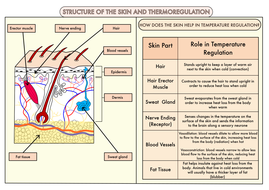 Image Source : www.tes.com
 skin temperature structure regulation poster colour resources role biology teaching tes lettuce its
Charlotte's Biology Blog: 2.88 - Skin Temperature Regulation
 Image Source : charlottebiology.blogspot.com
 temperature skin regulation body biology charlotte blooded warm constant means keep time
Charlotte's Biology Blog: 2.88 - Skin Temperature Regulation
 Image Source : charlottebiology.blogspot.com
 temperature skin body regulation biology heat through charlotte monitored monitors brain
IGCSE Biology 2017: 2.93 Describe The Role Of The Skin In Temperature
Image Source : igcse-biology-2017.blogspot.com Thermoregulation Cartoons, Illustrations & Vector Stock Images - 161
 Image Source : cartoondealer.com
 thermoregulation temperature
Homeostasis-blood Sugar And Temperature
 Image Source : www.schoolscience.co.uk
 homeostasis temperature blood range skin body internal constant which functions within keep sugar temp narrow describes environment very work
Thermoregulation -Temperature Regulation In Skin – Hypothermia And
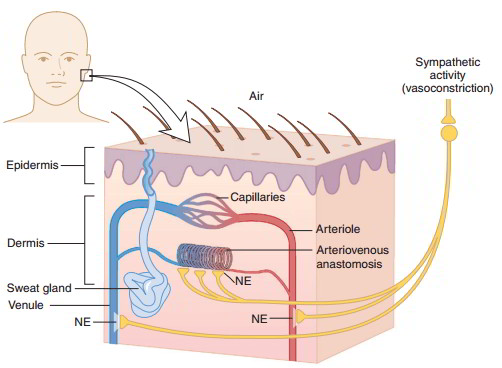 Image Source : www.earthslab.com
 temperature skin regulation thermoregulation hypothermia hyperthermia body blood flow physiology normal muscle
Temperature Regulation By Skin
 Image Source : www.slideshare.net
 temperature regulation skin slideshare
Charlotte's biology blog: 2.88. Colour poster on skin structure and temperature regulation. Temperature regulation by skin. Skin temperature structure regulation poster colour resources role biology teaching tes lettuce its. Homeostasis temperature blood range skin body internal constant which functions within keep sugar temp narrow describes environment very work