Spcc Regulation : What it is
SPCC Regulation: What It Is
SPCC regulation, also known as Spill Prevention, Control, and Countermeasure regulation, is an important environmental requirement for industries that handle and store oil and other hazardous substances. It is designed to prevent oil spills from reaching navigable waters and adjoining shorelines, thereby protecting the environment and public health.
What is SPCC Regulation?
SPCC regulation is a set of federal rules established by the Environmental Protection Agency (EPA) in the United States. It requires certain facilities to develop and implement an Spill Prevention, Control, and Countermeasure (SPCC) Plan. The plan outlines specific measures and procedures that companies must follow to prevent oil spills and mitigate their impact on the environment.
Who Does SPCC Regulation Apply To?
SPCC regulation applies to a wide range of industries and facilities that meet certain criteria. These include, but are not limited to:
- Oil refineries and petrochemical plants
- Oil storage terminals and depots
- Electric utilities and power generation facilities
- Manufacturing plants that handle oil and hazardous substances
- Transportation facilities
- Agricultural operations with large oil storage capacities
- Mining and extraction operations
If your facility stores, handles, or processes oil or other hazardous substances in quantities that could cause environmental damage, it is essential to determine if SPCC regulation applies to you.
Understanding the SPCC Plan
The SPCC Plan is a comprehensive document that outlines the facility's procedures, equipment, and protocols to prevent oil spills, detect potential leaks, and respond promptly and effectively in case of a spill. The plan typically includes:
- Identification and description of the facility, including the types and quantities of oil and hazardous substances present
- Operating procedures and best practices for preventing spills
- An inspection and maintenance schedule for equipment and containers
- Training programs for employees on spill prevention and response
- Emergency response procedures
- Reporting and record-keeping requirements
Why is SPCC Regulation Important?
SPCC regulation is crucial for protecting the environment, public health, and the economy. Oil spills can have devastating effects on ecosystems, wildlife, water sources, and human populations. By preventing spills and ensuring preparedness, the SPCC program helps minimize the potential harm caused by accidental releases of oil and hazardous substances.
Furthermore, complying with SPCC regulation can help companies avoid legal penalties, fines, and reputational damage. Non-compliance with the rules can result in significant financial consequences and potential liabilities, including clean-up costs, legal fees, and regulatory enforcement actions.
Frequently Asked Questions (FAQs)
Here are some frequently asked questions about SPCC regulation:
1. Do small facilities need to comply with SPCC regulation?
Yes, small facilities that store or handle oil and other hazardous substances must comply with SPCC regulation if they meet the qualifying criteria. The requirements may vary based on the storage capacity and potential for environmental harm.
2. Can I develop my own SPCC Plan?
Yes, facility owners or operators can develop their own SPCC Plan using industry best practices and guidance provided by the EPA. However, it is advisable to seek professional assistance to ensure compliance with all the necessary requirements.
3. How often should SPCC Plans be updated?
SPCC Plans should be reviewed and updated at least once every five years or whenever there are significant changes in the facility's operation, equipment, or storage capacities. Regular inspections and maintenance should also be conducted to comply with the regulation.
4. What happens if a spill occurs despite following the SPCC Plan?
In case of a spill, prompt action should be taken to mitigate the impact and prevent further spread. The SPCC Plan should include specific response procedures to deal with such incidents. If a spill occurs despite following the plan, it is crucial to report the incident to the appropriate regulatory authorities and take necessary steps for clean-up and remediation.
Conclusion:
SPCC regulation is a vital environmental requirement for industries that handle and store oil and hazardous substances. It aims to prevent oil spills and protect the environment and public health. By understanding and complying with SPCC regulation, companies can ensure the safety of their operations, avoid penalties, and contribute to a sustainable future.
SPCC Tank Inspections...: Monthly Tank Inspections--Example
 Image Source : spcctankinspections.blogspot.com
 Fillable Online Epa Spill Prevention, Control, And Countermeasure (SPCC
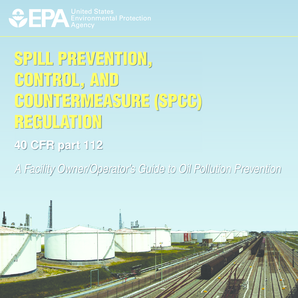 Image Source : www.pdffiller.com
 SPCC Regulations » SPCC Plan » SPCC Plan
 Image Source : www.spccplan.com
 compliance spcc regulation plan regulatory regeln offerings unregistered regelungen welfare audit effectiveness programs finders concerned securities pitching risk insight
Fillable Online Spill Prevention, Control, And Countermeasure (SPCC
 Image Source : www.pdffiller.com
 SPCC Secondary Oil Containment Requirements | Albarrie
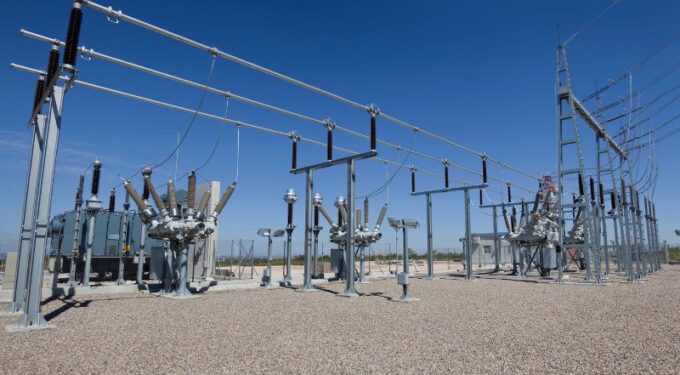 Image Source : albarrie.com
 SPCC Regulation – Concrete Products
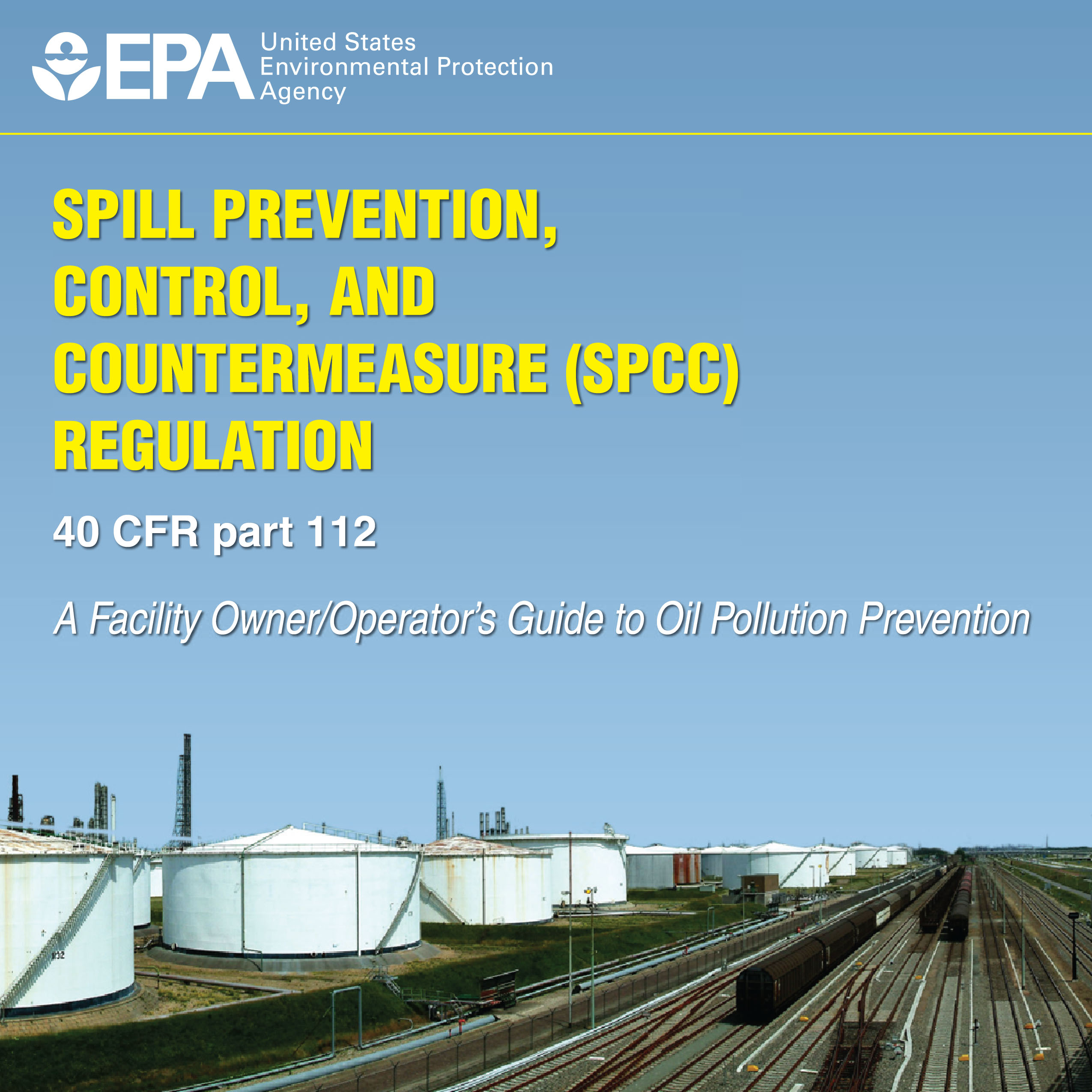 Image Source : concreteproducts.com
 Spill Prevention, Control And Countermeasure (SPCC) Regulation
 Image Source : www.yumpu.com
 Products – Allclean.com
 Image Source : allclean.com
 Compliance spcc regulation plan regulatory regeln offerings unregistered regelungen welfare audit effectiveness programs finders concerned securities pitching risk insight. Products – allclean.com. Spcc secondary oil containment requirements. Spcc regulations » spcc plan » spcc plan. Fillable online epa spill prevention, control, and countermeasure (spcc