Voltage Regulation Generator
Voltage Regulation of a Synchronous Generator
When it comes to the operation of a synchronous generator, one crucial aspect that engineers and power system operators need to consider is its voltage regulation. Voltage regulation refers to the ability of a generator to maintain a steady and reliable output voltage, regardless of varying loads and conditions. In this article, we will delve into the intricacies of voltage regulation in a synchronous generator and explore its importance in various applications.
1. Understanding Voltage Regulation

The voltage regulation of a synchronous generator refers to its ability to maintain a consistent output voltage under changing load conditions. It plays a vital role in ensuring a stable electrical supply to consumers and protecting connected machinery from voltage fluctuations. The regulation is a measure of the generator's ability to achieve this stability and is typically expressed as a percentage.
2. Direct and Indirect Voltage Regulation

Synchronous generators employ two primary methods of voltage regulation: direct and indirect. Let's explore each of these techniques in detail:
2.1 Direct Voltage Regulation
Direct voltage regulation involves adjusting the generator's field excitation current to control the output voltage. This is achieved by employing an automatic voltage regulator (AVR) that continuously monitors the generator's terminal voltage and adjusts the excitation system accordingly. By manipulating the field current, the generator can maintain a nearly constant voltage output under varying load conditions.
2.2 Indirect Voltage Regulation
Indirect voltage regulation, also known as droop voltage control, is commonly used in parallel generator systems. It adjusts the generator's reactive power output based on the variations in the system's voltage. In this method, the generator responds to changes in the terminal voltage by modifying its reactive power output, thus indirectly regulating the output voltage.
3. Advantages of Synchronous Generator Voltage Regulation
Voltage regulation in synchronous generators offers several benefits across different applications, including:
- Stable Power Supply: By regulating the output voltage, synchronous generators ensure a constant and stable power supply to homes, industries, and commercial establishments, preventing costly disruptions and equipment damage.
- Improved Equipment Performance: Voltage fluctuations can adversely affect the performance of electrical equipment. A well-regulated generator helps maintain optimal operating conditions, reducing the risk of malfunctions and extending equipment lifespan.
- Enhanced Grid Stability: Synchronous generators play a crucial role in maintaining grid stability by providing reactive power support and voltage regulation. They help mitigate voltage sags or surges and contribute to the overall stability of the power system.
4. Frequently Asked Questions (FAQs)
4.1 What is the significance of voltage regulation in power systems?
In power systems, voltage regulation is vital as it ensures a stable and reliable power supply to consumers. It helps maintain optimal operating conditions for electrical equipment and contributes to grid stability.
4.2 How does direct voltage regulation work in synchronous generators?
Direct voltage regulation in synchronous generators involves adjusting the field excitation current through an automatic voltage regulator (AVR) to maintain a constant output voltage under varying load conditions.
4.3 What is droop voltage control?
Droop voltage control, also known as indirect voltage regulation, is a method where the generator adjusts its reactive power output based on variations in the system's voltage. It indirectly influences the output voltage by modifying the reactive power supplied.
Overall, voltage regulation is a crucial aspect of synchronous generator operation. It ensures a stable power supply, protects electrical equipment, and contributes to the smooth functioning of power systems. By understanding the different methods of voltage regulation and their benefits, engineers can design and operate synchronous generators more efficiently to meet the ever-increasing demands of electricity consumption.
GENWELD 13000CSD(E) Digital Voltage Regulation Diesel Generator Sets
 Image Source : www.engine-drivenwelders.com
MEC-20 AVR MARELLI M31FA600A AUTOMATIC VOLTAGE REGULATOR
 Image Source : www.senoparts.com
Voltage Regulation Of Synchronous Generator | Voltage Regulation
Image Source : www.youtube.com voltage regulation generator synchronous
% Voltage Regulation In Synchronous Generator - YouTube
 Image Source : www.youtube.com
Voltage Regulation - Synchronous Generator Or Alternator
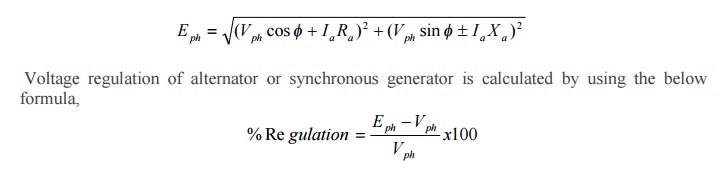 Image Source : www.brainkart.com
synchronous regulation alternator
AC MACHINES-1 (66761) Theory: Define Voltage Regulation.
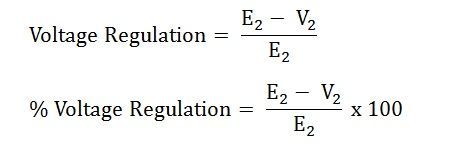 Image Source : jpilms.gnomio.com
Electronic Voltage Regulation Generator - MACHINERY SALES & SERVICES LTD
 Image Source : mssltdmalta.com
Voltage Regulation Of A Synchronous Generator - Direct & Indirect
Image Source : circuitglobe.com voltage regulation generator synchronous equation circuit where given shown below
Genweld 13000csd(e) digital voltage regulation diesel generator sets. Ac machines-1 (66761) theory: define voltage regulation.. Synchronous regulation alternator. Voltage regulation generator synchronous. Mec-20 avr marelli m31fa600a automatic voltage regulator