Related Party Transactions Regulation S-K
Related Party Transactions
Introduction
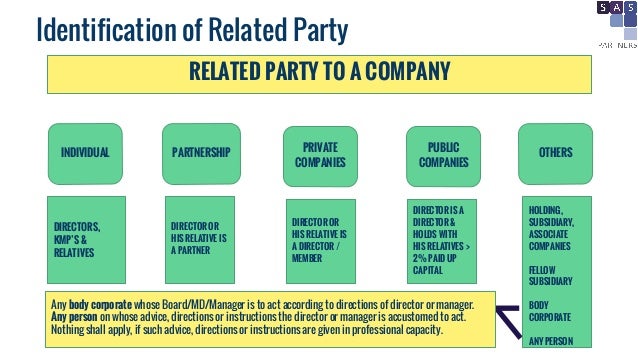
Related Party Transactions refer to the financial transactions that occur between two parties or entities that share a close relationship or have a significant influence on each other. These transactions may not be conducted at arm's length, and there is a potential conflict of interest involved due to the close relationship between the parties involved.
Examples of Related Party Transactions

Related party transactions can take various forms and exist in different industries. Here are some common examples:
- Financial Transactions:
- Spousal Relationships:
- Ownership Relationships:
These involve loans, advances, guarantees, and other credit arrangements between related parties.
Transactions between spouses or domestic partners, such as property transfers or investments, may be considered related party transactions.
Transactions between companies and their subsidiaries or between a company and its major shareholders are also examples of related party transactions.
Why are Related Party Transactions Important?
Related party transactions are of significance as they have the potential to affect the financial statements and can create conflicts of interest. It is essential for companies to disclose these transactions to ensure transparency and enhance the credibility of their financial reports.
Impact on Financial Statements
Related party transactions can impact the financial statements in various ways:
- Revenue Recognition:
- Asset and Liability Valuations:
Transactions with related parties may involve the recognition of revenue or expenses that need to be carefully evaluated to ensure they are in line with the accounting standards.
Related party transactions may involve the transfer of assets or liabilities at fair value. These valuations should be carefully considered to avoid any potential over- or undervaluation.
Frequently Asked Questions
1. What is the purpose of disclosing related party transactions?
The primary purpose behind disclosing related party transactions is to provide transparency to stakeholders, enabling them to assess any potential conflicts of interest or impacts on financial statements. It helps in maintaining the integrity of financial reporting.
2. Are all related party transactions considered unethical or illegal?
No, not all related party transactions are considered unethical or illegal. However, these transactions should be conducted at arm's length to ensure fairness and avoid any potential conflicts of interest. Companies should establish appropriate policies and procedures to govern such transactions.
3. How can companies ensure compliance with Related Party Transactions Regulation?
To ensure compliance with Related Party Transactions Regulation, companies should establish internal controls and policies that require proper documentation, review, and approval of related party transactions. Regular monitoring and audits can also help in identifying and rectifying any non-compliance issues.
In conclusion, related party transactions are an essential aspect of financial reporting. It is crucial for companies to understand and adhere to the regulations governing such transactions to maintain transparency and credibility. By disclosing related party transactions properly, companies can foster trust among their stakeholders and ensure fair business practices.
Related Party Transactions – A Case Study Of A Unlisted Public Company
 Image Source : taxguru.in
 related party transactions company case unlisted study public facts
Related Party Transactions | Examples Of Related Party Transactions
Image Source : www.educba.com transactions accounting
Related-Party Transactions - 1031 Capital Solutions
 Image Source : 1031capitalsolutions.com
 transactions related party
Related Party Transactions | Companies Act 2013 | Company Suggestion
 Image Source : www.companysuggestion.com
 related party transactions act companies per transaction process provisions section states
Related Party Transactions: Definition & Examples - Video & Lesson
 Image Source : study.com
 related party transactions examples definition study
Related Party Transactions
Image Source : www.slideshare.net transactions
Checklist To Determine Whether A Transaction Is Related Party Transaction
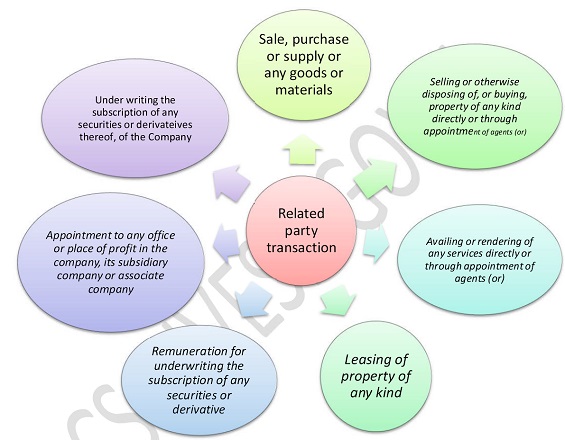 Image Source : taxguru.in
 related party transaction companies transactions parties act under company definition determine section checklist taxguru
Mfrs 124 Related Party Disclosures / (c) And Entity And Its Principal
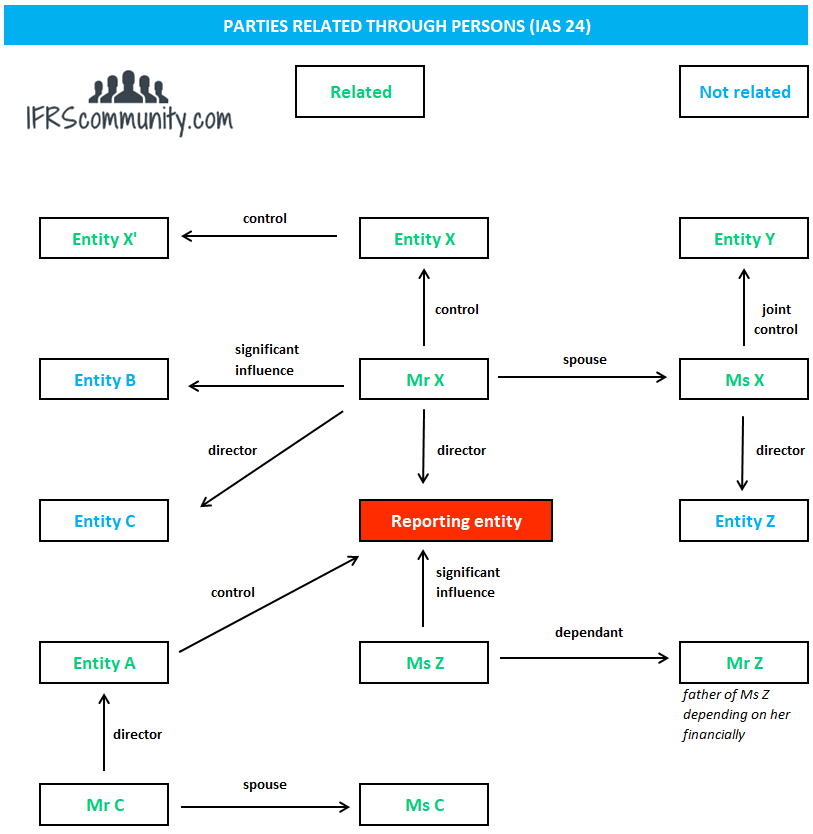 Image Source : xullaiumz.blogspot.com
 disclosures ias parties mfrs entity principal transactions
Mfrs 124 related party disclosures / (c) and entity and its principal. Related party transactions – a case study of a unlisted public company. Transactions accounting. Related party transactions company case unlisted study public facts. Related party transactions act companies per transaction process provisions section states