Executive Function & Self Regulation
Executive Function & Self Regulation: A Key to Success
Executive function and self-regulation skills play a crucial role in the overall development and success of children. These skills, when properly nurtured and honed, can pave the way for better academic performance, social interactions, and emotional well-being. In this article, we delve deeper into the concept of executive function and self-regulation, exploring its significance, benefits, and ways to cultivate it.
The Importance of Executive Function and Self-Regulation
Executive function refers to a set of mental processes that help individuals manage their thoughts, actions, and emotions effectively. It involves a range of cognitive abilities, such as problem-solving, decision-making, working memory, and attention control. On the other hand, self-regulation is the ability to control one's behaviors, emotions, and impulses, allowing individuals to adapt to different situations and environments.
The development of executive function and self-regulation skills is essential during childhood as it lays the foundation for future success. Children who exhibit stronger executive function skills are more likely to achieve academic milestones, build healthy relationships, and have better mental health outcomes.
Benefits of Developing Strong Executive Function and Self-Regulation Skills
1. Improved Academic Performance:
Children with well-developed executive function skills are better equipped to focus, plan, and organize their tasks, leading to improved academic performance. They are more capable of setting goals, managing their time effectively, and persisting through challenges.
2. Enhanced Social Skills:
Executive function skills are closely linked to social interactions. Children with stronger self-regulation abilities can control their behaviors, adapt to social cues, and engage in appropriate communication. These skills contribute to better conflict resolution, empathy, and cooperation with peers.
3. Higher Emotional Intelligence:
Emotional intelligence involves recognizing and understanding one's own emotions and those of others. Self-regulation skills are an integral part of emotional intelligence, enabling children to regulate their emotions, manage stress, and exhibit empathy towards others.

Strategies for Cultivating Executive Function and Self-Regulation Skills
1. Encourage Play-based Learning:
Engaging children in activities that require problem-solving, decision-making, and planning, such as puzzles, board games, and imaginative play, can enhance their executive function skills. Encourage open-ended play where children have the freedom to explore, make choices, and learn from their experiences.
2. Establish Routines and Schedules:
Creating and sticking to daily routines and schedules help children develop self-regulation skills. Consistent routines provide them with a sense of predictability, allowing them to understand and manage their time better. Encourage children to participate in creating their own routines to foster a sense of ownership and responsibility.
3. Teach Mindfulness and Self-Reflection:
Mindfulness practices can be beneficial in developing self-regulation skills. Teach children to be aware of their thoughts, emotions, and bodily sensations, and help them understand how these can influence their behaviors. Encourage self-reflection by asking open-ended questions, promoting better understanding of their actions and providing opportunities for growth.
FAQs
1. What is the difference between executive function and self-regulation?
While executive function refers to cognitive processes like problem-solving and decision-making, self-regulation is the ability to control behaviors and emotions. In simple terms, executive function is more focused on the thinking aspect, while self-regulation involves behavioral aspects.
2. Can executive function skills be improved?
Yes, executive function skills can be improved through targeted interventions and consistent practice. By providing opportunities for children to develop these skills, such as engaging in challenging tasks and providing guidance, we can help them enhance their executive function abilities.
3. What are some red flags for weak executive function and self-regulation?
Some red flags for weak executive function and self-regulation skills in children may include difficulty with planning and organizing tasks, impulsivity, low frustration tolerance, poor attention span, and challenges in transitioning between activities.
Remember, nurturing executive function and self-regulation skills in children is a long-term process. By incorporating strategies that promote these skills into their daily lives, we can support their overall growth, well-being, and pave the way for their success in the future.
Sources:
- "Executive Function & Self-Regulation in Children - Kindle edition by"
- "Executive Function And Self-regulation | healthstandout.com"
Executive Function & Self-Regulation In Children - Kindle Edition By
Image Source : www.amazon.com regulation gilgun
Emotional Regulation And Executive Function - The OT Toolbox (2022)
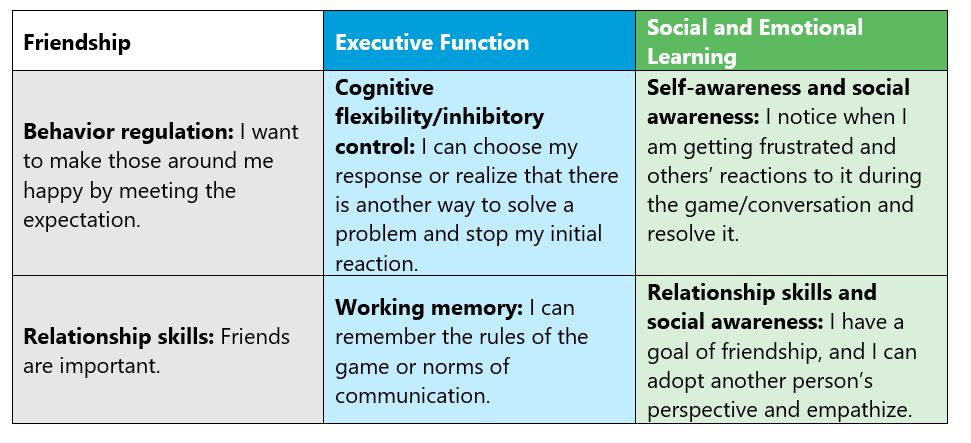 Image Source : hipite.com
 Understanding The Importance Of Executive Function & Self Regulation In
 Image Source : www.childcarecompany.org
 early
Executive Function And Self-regulation Practice Guide – Full
 Image Source : www.edresearch.edu.au
 Self Regulation ~ Executive Functioning Is This A Concern For Someone
 Image Source : www.pinterest.ca
 Emotional Regulation And Executive Function - The OT Toolbox
 Image Source : www.theottoolbox.com
 regulation emotional executive function functioning self toolbox
Executive Function And Self-regulation | Healthstandout.com
Image Source : healthstandout.com Early Years: Self Regulation And Executive Function | Bookitbee
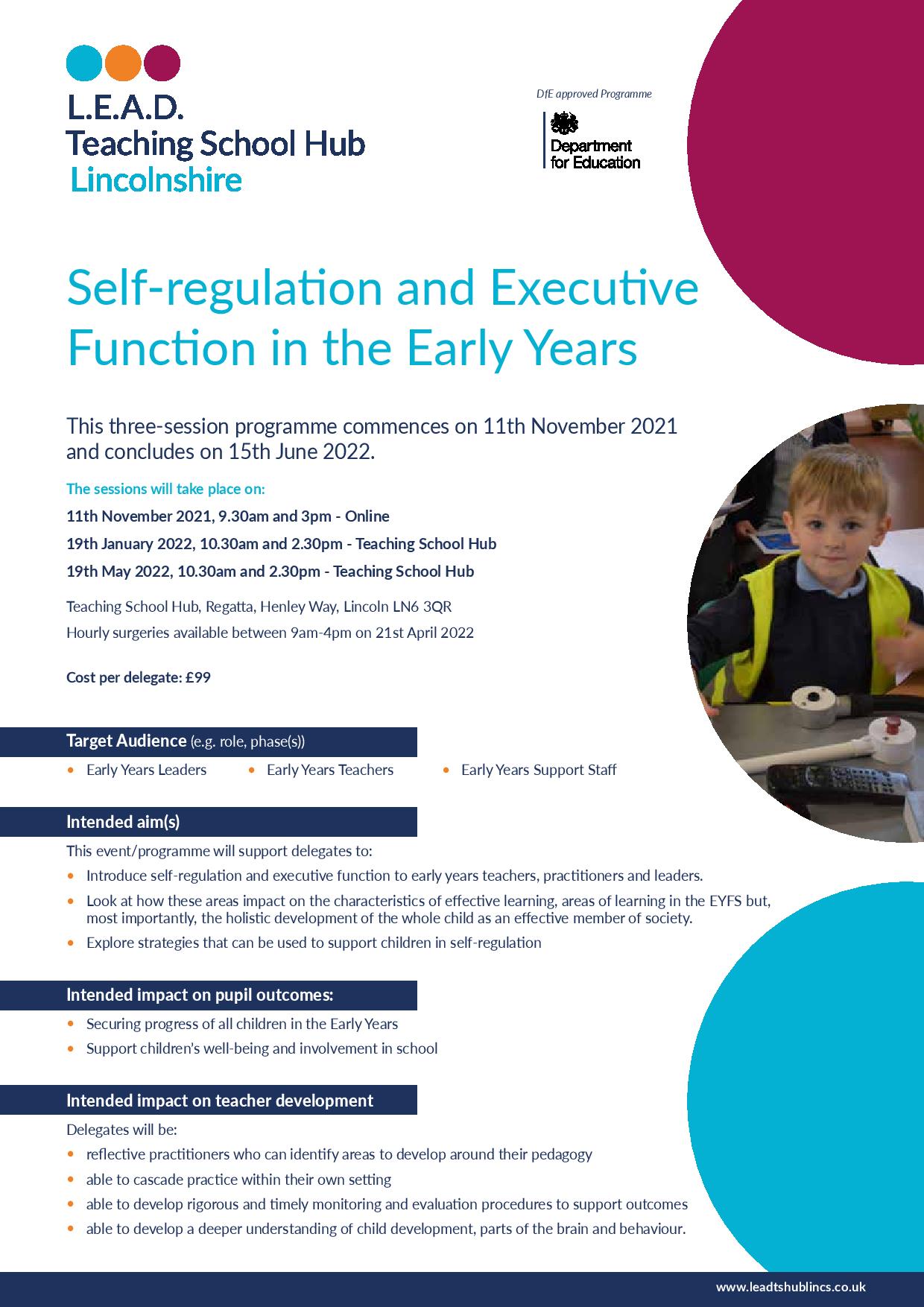 Image Source : event.bookitbee.com
 executive regulation
Emotional regulation and executive function. Regulation emotional executive function functioning self toolbox. Emotional regulation and executive function. Executive function and self-regulation practice guide – full. Understanding the importance of executive function & self regulation in