Chemical Regulation : What it is
Chemical Regulation: What it is Chemical regulation plays a crucial role in safeguarding the environment and human health. It ensures that chemicals used in various industries, such as manufacturing, agriculture, and consumer products, are safe for use and do not pose significant risks. In recent years, there has been a growing recognition of the need for an overhaul of toxic chemical regulation to address emerging concerns and protect public health. Let's explore the key aspects of chemical regulation and understand why it is vital for our well-being. 1. The Importance of Chemical Regulation Chemicals are an integral part of our daily lives, used in various products and processes. From cleaning agents and personal care products to industrial manufacturing and agriculture, they are omnipresent. However, some chemicals have been found to be harmful and can pose risks to humans and the environment if not regulated properly. Chemical regulation plays a crucial role in: 1.1. Protecting Public Health: By regulating chemicals, authorities can ensure that only safe substances are used in products and processes that come into contact with humans. This helps in preventing adverse health effects, including allergies, reproductive issues, and even chronic diseases like cancer. 1.2. Safeguarding the Environment: Chemicals can have far-reaching effects on ecosystems and wildlife. Regulation helps in preventing pollution of air, water, and soil, protecting fragile ecosystems, and preserving biodiversity. 1.3. Promoting Innovation: Chemical regulation encourages the development and use of safer alternatives to harmful substances. This fosters innovation in the industry and encourages the creation of environmentally friendly products and technologies. 2. Recent Developments in Global Chemical Regulation Chemical regulation is dynamic, constantly evolving to keep up with emerging challenges. Let's explore some key highlights in global chemical regulation: 2.1. Bipartisan Support for Overhaul of Toxic Chemical Regulation  In recent years, there has been significant bipartisan support for the overhaul of toxic chemical regulation in many countries. This recognition is driven by the need to address gaps in existing regulations and protect public health more effectively. By updating and strengthening regulations, governments aim to prevent the use of harmful chemicals and promote the use of safer alternatives. 2.2. Advances in Risk Assessment and Management  Advancements in risk assessment and management have played a crucial role in shaping chemical regulation globally. The use of modern techniques, such as computational toxicology, has enabled scientists to evaluate the potential risks of chemical substances more accurately. This scientific progress contributes to evidence-based decision-making and allows regulators to formulate more efficient and targeted regulatory measures. 2.3. International Cooperation and Harmonization In an increasingly interconnected world, international cooperation and harmonization of chemical regulations have become essential. Organizations like the United Nations Environment Programme (UNEP) and the Organization for Economic Co-operation and Development (OECD) work towards aligning regulations across countries, sharing best practices, and fostering collaboration. This collaboration ensures a more consistent and effective approach to chemical regulation globally. 3. Understanding Chemical Regulation: Frequently Asked Questions (FAQs) 3.1. What are the key objectives of chemical regulation? Chemical regulation aims to protect human health and the environment from the risks posed by potentially harmful substances. It seeks to ensure the safe production, handling, use, and disposal of chemicals, while also encouraging innovation and the use of safer alternatives. 3.2. Who is responsible for chemical regulation? Chemical regulation is the responsibility of regulatory authorities at the national, regional, and international levels. These authorities set standards, conduct risk assessments, enforce regulations, and monitor compliance to ensure the safe and responsible use of chemicals. 3.3. How are chemicals regulated in the food industry? Chemicals used in the food industry are subject to specific regulations to ensure food safety. Regulatory agencies establish maximum residue limits for pesticides and other potentially harmful substances in food products. Regular monitoring and testing of food samples help ensure compliance with these regulations and protect consumers. 3.4. Are all chemicals regulated equally? The level of regulation varies depending on the potential risks associated with chemicals. Hazardous substances that pose significant risks to human health and the environment are subject to stricter regulation, whereas low-risk substances may undergo a simplified evaluation process. 3.5. How can consumers contribute to chemical regulation? Consumers can make informed choices by seeking products that are labeled as safe and environmentally-friendly. Additionally, proper disposal of chemicals, such as batteries and electronic waste, reduces the risk of pollution and helps protect the environment. 4. Conclusion Chemical regulation is indispensable for protecting public health, preserving the environment, and promoting sustainable development. With the recognition of the need for an overhaul of toxic chemical regulation, we are moving towards a safer and more sustainable future. By staying informed and supporting responsible chemical use, we can contribute to a healthier and cleaner world for ourselves and future generations. Sources: - "Bipartisan Support for Overhaul of Toxic Chemical Regulation" - Industrial Chemical Blog - "Global Chemical Regulation Highlights | January 2023" - ChemLinked 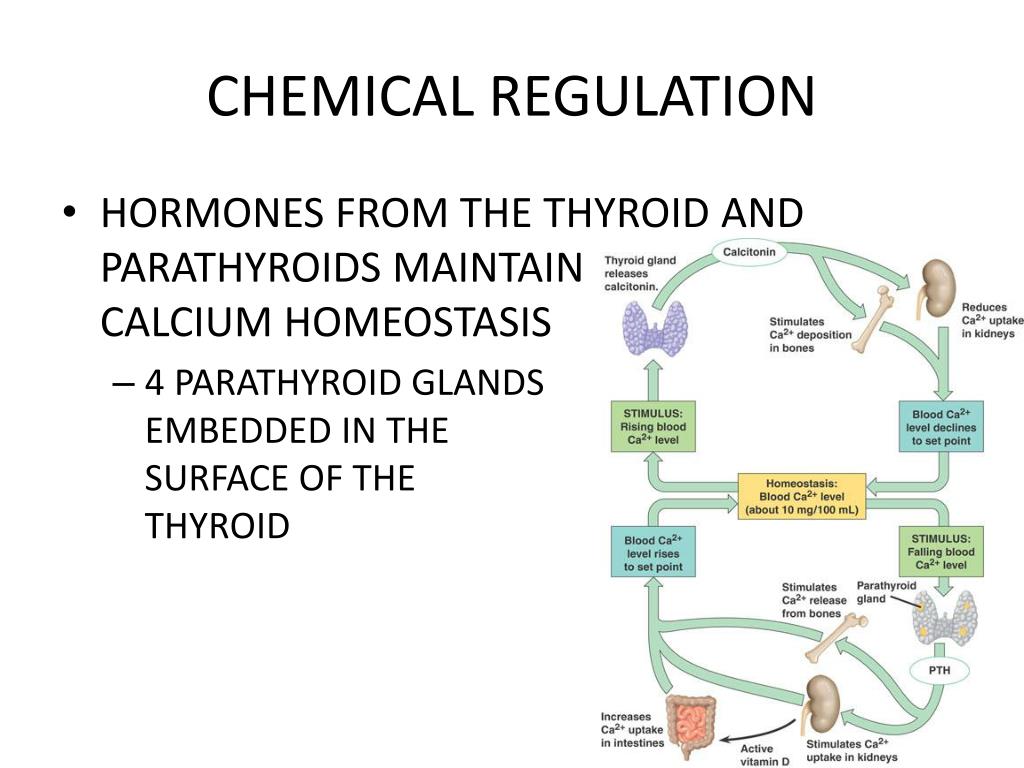 Image Source : www.slideserve.com
  Image Source : www.slideserve.com
  Image Source : bulkchemicals2go.com
 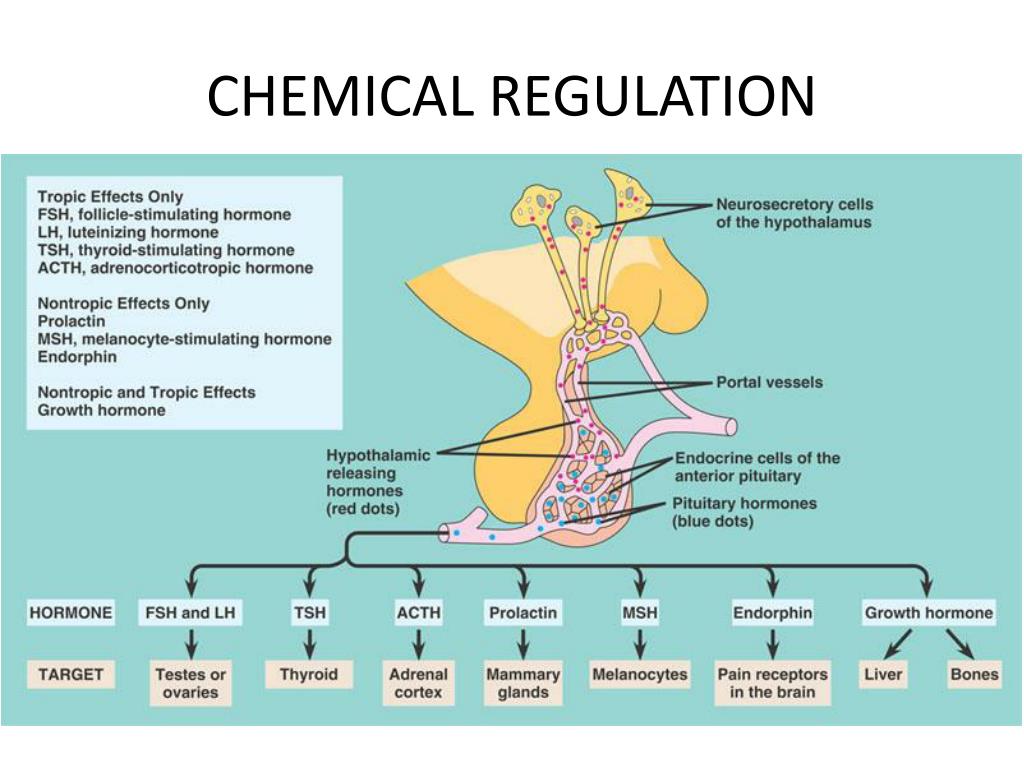 Image Source : www.slideserve.com
  Image Source : industrialchemicalblog.com
  Image Source : medicoapps.org
  Image Source : chemical.chemlinked.com
  Image Source : www.fuelsandlubes.com
PPT - CHEMICAL REGULATION PowerPoint Presentation, Free Download - ID
Image Source : www.slideserve.com chemical regulation ppt powerpoint presentation
PPT - CHEMICAL REGULATION PowerPoint Presentation, Free Download - ID
Image Source : www.slideserve.com chemical regulation ppt powerpoint presentation main signaling affect cells hormones mechanisms target two
Chemical Regulation Acts In The US | Bulk Chemicals
Image Source : bulkchemicals2go.com PPT - CHEMICAL REGULATION PowerPoint Presentation, Free Download - ID
Image Source : www.slideserve.com chemical regulation ppt powerpoint presentation
Bipartisan Support For Overhaul Of Toxic Chemical Regulation
Image Source : industrialchemicalblog.com chemical regulation plan elements hygiene chemicals chp hazardous overhaul toxic bipartisan support industry climate change wearing employees
Chemical Regulation Of Respiration Archives - Www.medicoapps.org
Image Source : medicoapps.org respiration regulation chemical medicoapps
Global Chemical Regulation Highlights | January 2023 | ChemLinked
Image Source : chemical.chemlinked.com India's New Chemical Regulation Expected To Be Finalized Soon - F&L Asia
Image Source : www.fuelsandlubes.com Chemical regulation ppt powerpoint presentation. Chemical regulation acts in the us. Chemical regulation ppt powerpoint presentation main signaling affect cells hormones mechanisms target two. Chemical regulation ppt powerpoint presentation. India's new chemical regulation expected to be finalized soon