RNA Interference: A Powerful Mechanism of Gene Regulation Introduction: RNA interference (RNAi) is an intriguing phenomenon that plays a crucial role in the regulation of gene expression in eukaryotic organisms. This mechanism, discovered in the late 20th century, allows for the targeted degradation of specific messenger RNA (mRNA) molecules, effectively silencing the expression of their corresponding genes. In this article, we will explore the fascinating world of RNAi, its mechanisms, and its various applications in the field of biotechnology. 1. How Does RNA Interference Work? RNA interference involves a complex sequence of events that ultimately leads to the degradation of specific mRNA molecules. The process can be summarized into the following steps: 1.1 Recognition: The RNA interference pathway begins with the identification of double-stranded RNA (dsRNA) molecules by an enzyme called Dicer. This recognition step ensures the specificity of RNAi, as only dsRNA molecules with a certain length and structure are processed further. 1.2 Processing: Once recognized, Dicer cleaves the dsRNA into smaller fragments known as small interfering RNAs (siRNAs). Typically, these siRNAs are approximately 21-23 nucleotides in length. 1.3 Assembly: The siRNAs are then incorporated into a multi-protein complex called the RNA-induced silencing complex (RISC). This complex plays a vital role in targeting specific mRNA molecules. 1.4 Targeting: The RISC complex, loaded with siRNA, actively seeks out complementary mRNA molecules within the cell. When a match is found, the siRNA binds to the mRNA, leading to its degradation. 1.5 Silencing: The degradation of the targeted mRNA prevents the production of its corresponding protein, effectively silencing the expression of the associated gene. 2. Applications of RNA Interference: RNA interference has revolutionized the field of molecular biology and has numerous applications in both research and biotechnology. Let's explore some of the exciting applications of RNAi: 2.1 Therapeutic Applications: RNAi holds promise as a therapeutic strategy for various diseases, including cancer, viral infections, and genetic disorders. By specifically targeting disease-causing genes, RNAi can potentially inhibit the production of harmful proteins and offer a more targeted approach to treatment. 2.2 Agriculture and Plant Biotechnology: RNAi has significantly contributed to improving crop traits, such as disease resistance and enhanced nutritional content. By silencing specific genes in plants, scientists can develop crops that are resistant to pests, exhibit improved yield, or have a higher nutritional value. 2.3 Functional Genomics: RNAi has become an indispensable tool for studying gene function and identifying potential drug targets. By selectively silencing genes of interest, researchers can elucidate their roles in cellular processes and disease pathways. 3. Exploring RNAi Mechanisms in Plants: RNAi mechanisms in plants have been extensively studied, particularly in crops like tobacco. Researchers have successfully utilized RNAi to engineer transgenic tobacco plants with specific traits. This has paved the way for advancements in crop improvement techniques and better agricultural practices. 3.1 Production of Transgenic Tobacco Plants through RNAi: To produce transgenic tobacco plants, scientists first identify the gene they wish to silence. This gene is typically linked to a specific trait or characteristic that the researchers aim to modify. By introducing a dsRNA molecule targeting that gene into tobacco cells, they trigger the RNAi pathway, leading to the degradation of the corresponding mRNA and silencing of the target gene. 3.2 Benefits of Transgenic Tobacco Plants: The production of transgenic tobacco plants using RNAi has several advantages. For example, researchers can enhance the plant's resistance to pests or diseases by targeting specific genes involved in the immune response. Additionally, RNAi can be used to manipulate tobacco plants to produce valuable pharmaceutical proteins or biofuels. 3.3 Ethical Considerations: While the potential benefits of transgenic plants are significant, it is essential to consider the ethical implications of this technology. Strict regulations and thorough safety assessments are necessary to ensure that transgenic plants do not pose any risks to the environment or human health. FAQs (Frequently Asked Questions): Q1: What is the difference between RNA and DNA? A1: RNA (ribonucleic acid) and DNA (deoxyribonucleic acid) are both nucleic acids that are vital for life. However, they differ in their structure and functions. DNA carries the genetic information in most organisms, while RNA plays a crucial role in the synthesis of proteins and gene regulation. Q2: Can RNAi be used to treat genetic disorders? A2: RNAi has shown great potential as a therapeutic tool for treating genetic disorders. By targeting the expression of disease-causing genes, it may be possible to mitigate the harmful effects of these disorders. However, further research and clinical trials are needed to fully evaluate its efficacy and safety. Q3: How does RNA interference relate to gene editing technologies like CRISPR-Cas9? A3: While RNAi and gene editing technologies like CRISPR-Cas9 both involve manipulating genetic material, they function through different mechanisms. RNAi silences the expression of specific genes, while gene editing tools enable precise modifications to the DNA sequence itself. Conclusion: RNA interference is a powerful mechanism of gene regulation that holds immense potential in various fields, including medicine, agriculture, and functional genomics. By understanding its mechanisms and applications, scientists can harness the power of RNAi to develop innovative solutions and advance our understanding of the intricate world of gene regulation. (Note: The content above has been created using artificial intelligence.)
RNA-interference & QRT-PCR
 Image Source : www.gene-quantification.de
 sirna rna mechanism rnai small interference technology silencing gene transfection interfering sirnas antisense molecules si diagram biogenesis genetic steps rnas
How Are Transgenic Tobacco Plants Produced To Solve Class 12 Biology CBSE
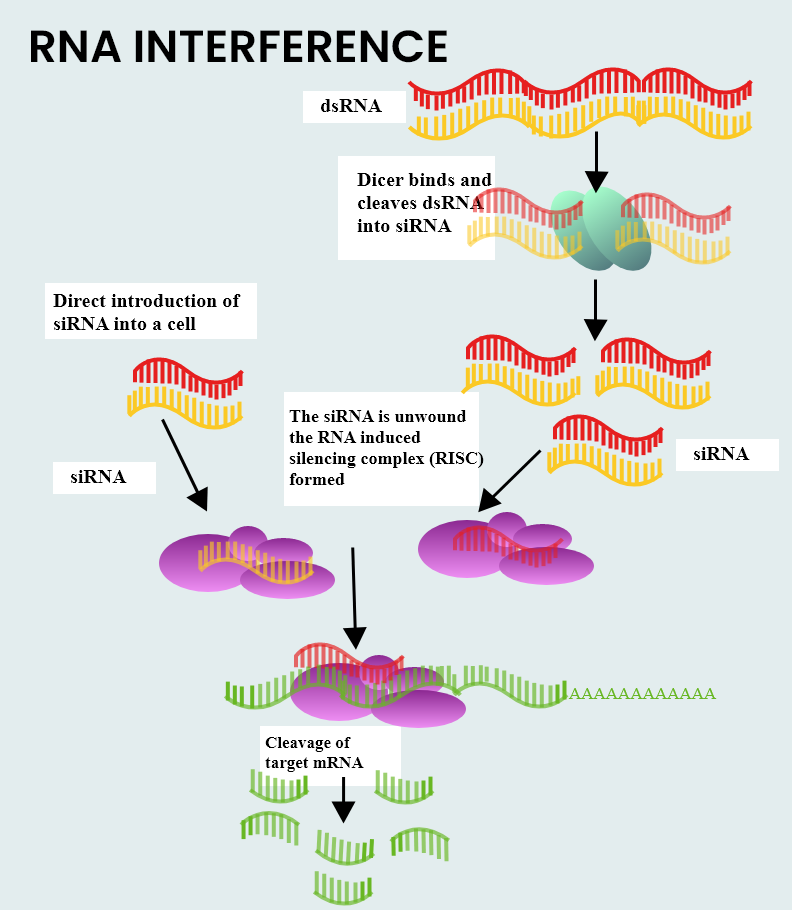 Image Source : www.vedantu.com
 rna interference transgenic solve sirna interfering enzyme eukaryotic occurring vedantu cbse nematode
Pharmaceuticals | Free Full-Text | New Aspects Of Gene-Silencing For
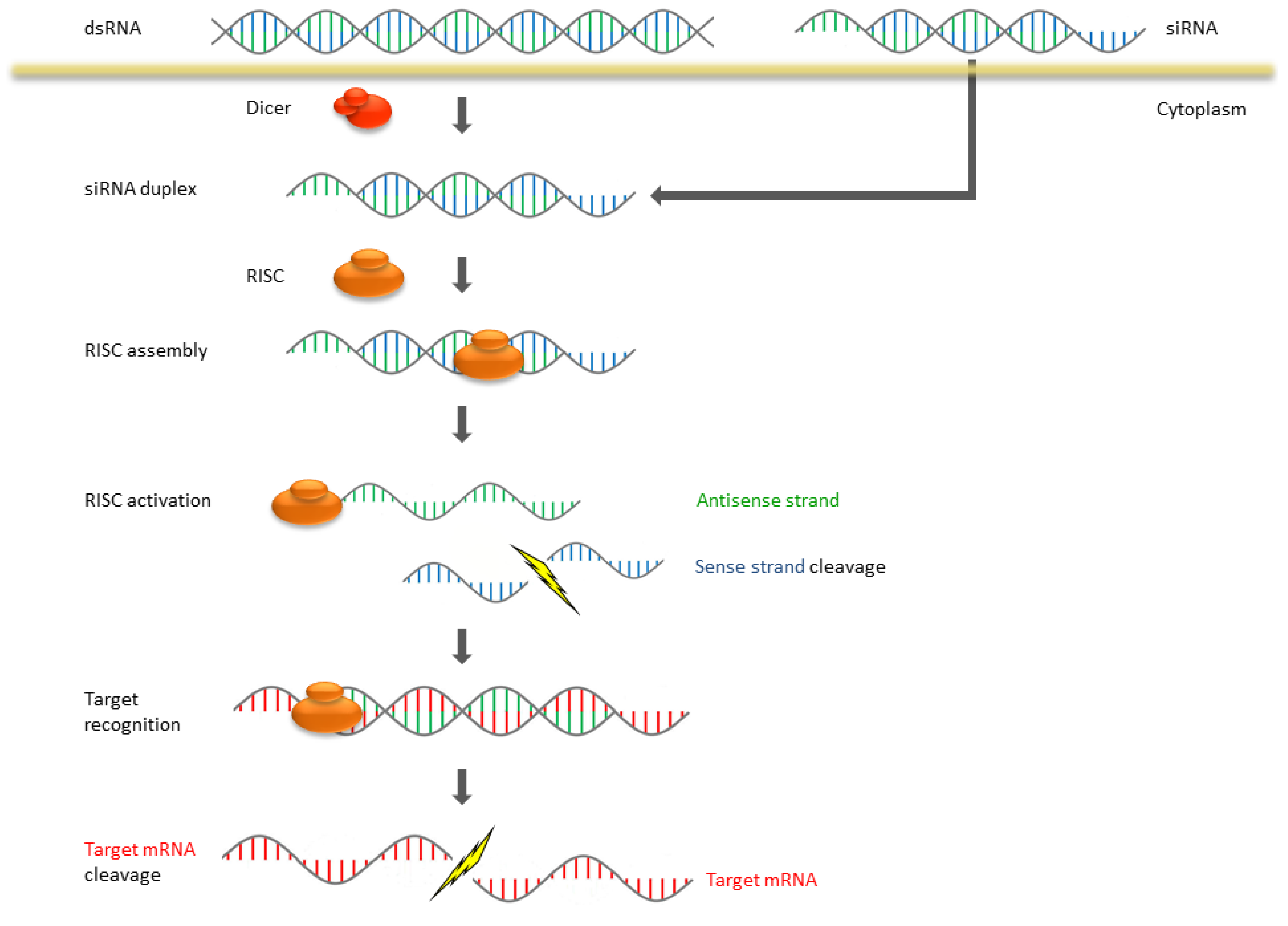 Image Source : www.mdpi.com
 silencing gene rna interference mechanism rnai pharmaceuticals cardiovascular diseases aspects treatment figure mammalian systems
RNAi Database Sample Wiki - DolceraWiki
 Image Source : www.dolcera.com
 rna rnai wiki mechanism interference sample database source dolcera
Figure 1 From Mechanism Of RNA Interference ( RNAi ) : Current Concept
 Image Source : www.semanticscholar.org
 rna interference rnai mechanism
RNAi Mechanisms And Applications | BioTechniques
 Image Source : www.future-science.com
 rnai rna interference silencing gene mechanisms pathways cellular
Nutrition Factions | Answering "What To Eat?" By Turning To Science
 Image Source : sites.psu.edu
 rna interference mechanism small interfering gene knock down figure treating disease using license sites physiology cell mrna
RNA Interference (RNAi) Is A Mechanism Of Gene Silencing That Is
 Image Source : brainly.com
 gene rna microrna rnai interference silencing mediated micrornas synthesis mechanisms
Rnai rna interference silencing gene mechanisms pathways cellular. Rna interference rnai mechanism. Figure 1 from mechanism of rna interference ( rnai ) : current concept. Rna interference transgenic solve sirna interfering enzyme eukaryotic occurring vedantu cbse nematode. Nutrition factions