Maine Pfas Regulation : What it is
Maine PFAS Regulation: What You Need to Know Maine has taken significant steps to address the growing concerns surrounding PFAS (per- and polyfluoroalkyl substances) contamination. PFAS are a group of man-made chemicals that have been widely used in various industrial and consumer products due to their water and grease-resistant properties. However, they have also been linked to various health risks, including cancer, immune system suppression, and reproductive disorders. In this post, we will explore the Maine PFAS regulation in detail, highlighting its impact, implementation, and frequently asked questions. 1. Understanding PFAS Regulation in Maine PFAS contamination has become a major concern in Maine, leading the state to enact robust measures to protect its residents and environment. The Maine PFAS regulation aims to effectively monitor, regulate, and reduce the use of PFAS chemicals. It requires the testing of public water supplies and imposes strict limits on the concentration levels of PFAS chemicals. By doing so, Maine intends to ensure the safety of its drinking water and mitigate potential health risks associated with PFAS exposure. 2. The Impact of Maine's PFAS Regulation Maine's PFAS regulation has far-reaching implications for both businesses and consumers. Companies involved in the manufacturing, distribution, and use of PFAS chemicals are required to comply with stringent limits and regulations. This has led to changes in production processes and increased efforts to find alternative, safer substitutes for PFAS chemicals. From a consumer perspective, the regulation provides peace of mind by ensuring that their drinking water is regularly tested for PFAS contamination, and necessary measures are taken to address any potential risks. 3. Implementation of Maine's PFAS Regulation The implementation of Maine's PFAS regulation involves a collaborative effort between government agencies, local communities, and businesses. State authorities have established monitoring programs to test public water supplies and private wells for PFAS contamination. If contamination is found, steps are taken to promptly address the issue and identify the source. Additionally, educational campaigns and outreach initiatives have been launched to raise awareness about PFAS and its potential risks. These efforts promote community engagement and encourage residents to take necessary precautions to reduce exposure. H2: Exploring the Key Provisions of Maine's PFAS Regulation H2: 1. Strict Limits on PFAS Concentrations Under the Maine PFAS regulation, strict limits have been set on the concentration levels of PFAS chemicals in public water supplies. These limits are regularly monitored and enforced to ensure compliance. The goal is to minimize the potential health risks associated with PFAS contamination in drinking water and safeguard public health. H2: 2. Testing Requirements for Drinking Water Wells Maine's PFAS regulation also includes testing requirements for private drinking water wells. This initiative helps identify any potential sources of PFAS contamination and provides homeowners with valuable information about the safety of their water. It enables individuals to take appropriate action to address any contamination issues and protect their health and well-being. H2: 3. Labeling and Disclosure Another significant provision of Maine's PFAS regulation is the requirement for labeling and disclosure. Manufacturers using PFAS chemicals in their products must clearly label them to inform consumers about their presence. This empowers individuals to make informed choices and opt for PFAS-free alternatives, contributing to the reduction of overall PFAS usage. H2: Frequently Asked Questions (FAQs) about Maine's PFAS Regulation FAQ 1: What are the health risks associated with PFAS exposure? Exposure to PFAS has been linked to various health risks, including cancer, hormone disruption, immune system suppression, and developmental issues in children. Maine's PFAS regulation aims to mitigate these risks by imposing strict limits and monitoring on PFAS chemicals. FAQ 2: How does Maine's PFAS regulation affect businesses? Maine's PFAS regulation affects businesses involved in the production, distribution, and use of PFAS chemicals. Compliance with the strict limits and requirements necessitates changes in production processes and the exploration of safer alternatives. FAQ 3: How can individuals protect themselves from PFAS contamination? Individuals can protect themselves from PFAS contamination by ensuring regular testing of their drinking water wells, using point-of-use water filters certified for PFAS removal, and making informed choices about products labeled as PFAS-free. In conclusion, Maine's PFAS regulation plays a crucial role in protecting public health and the environment by effectively monitoring and regulating PFAS chemicals. By imposing strict limits, testing requirements, and disclosure obligations, Maine aims to minimize the potential risks associated with PFAS contamination. While businesses must adapt to comply with these regulations, individuals can take necessary precautions to protect themselves and make informed choices. Together, these efforts contribute to a safer and healthier Maine for all residents.  Image Source : www.newscentermaine.com
 Image Source : www.thompsoncoburn.com
 Image Source : pfasmaine.com
 Image Source : www.mahanyertl.com
 Image Source : absortech.com
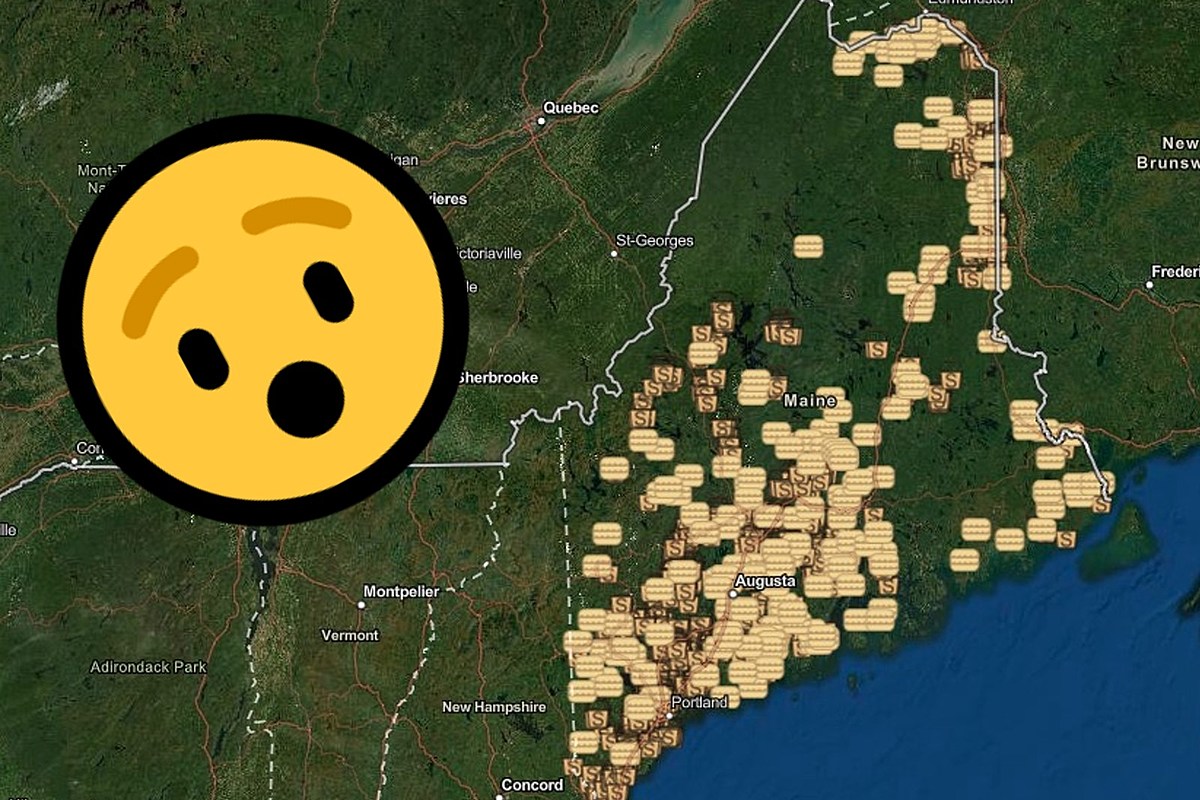 Image Source : z1073.com
 Image Source : common-sense-in-america.com
 Image Source : pfasproject.com
Where In Maine PFAS Pollutants Exist | Newscentermaine.com
Image Source : www.newscentermaine.com pfas maine newscentermaine pollutants exist where
Maine’s PFAS Product Reporting Deadline Is Quickly Approaching: Are You
Image Source : www.thompsoncoburn.com Contact Us – PFAS Maine Lawsuit
Image Source : pfasmaine.com BREAKING NEWS – Maine PFAS Legislation Clears Judiciary Committee
Image Source : www.mahanyertl.com pfas legislation maine judiciary clears legislature
Impact Of The PFAS Regulation In The Garment Industry
Image Source : absortech.com Map Shows Where 'Forever Chemicals' Are Identified In Maine
Image Source : z1073.com What Is Wrong With Our Country: Polyyfluoralkyl Substances (PFAS) And
Image Source : common-sense-in-america.com Analysis Of State-by-state Differences In PFAS Regulation – The PFAS
Image Source : pfasproject.com pfas regulation pfoa chemical
Where in maine pfas pollutants exist. Breaking news – maine pfas legislation clears judiciary committee. Maine’s pfas product reporting deadline is quickly approaching: are you. Contact us – pfas maine lawsuit. What is wrong with our country: polyyfluoralkyl substances (pfas) and