Prokaryotic Gene Regulation
Prokaryotic gene regulation plays a crucial role in the growth and development of all living organisms. It is a fascinating process that enables cells to respond to their environment and control gene expression. In this post, we will explore the intricacies of prokaryotic gene regulation and its significance in understanding genetics and biology.
Prokaryotic Gene Regulation: Understanding the Basics
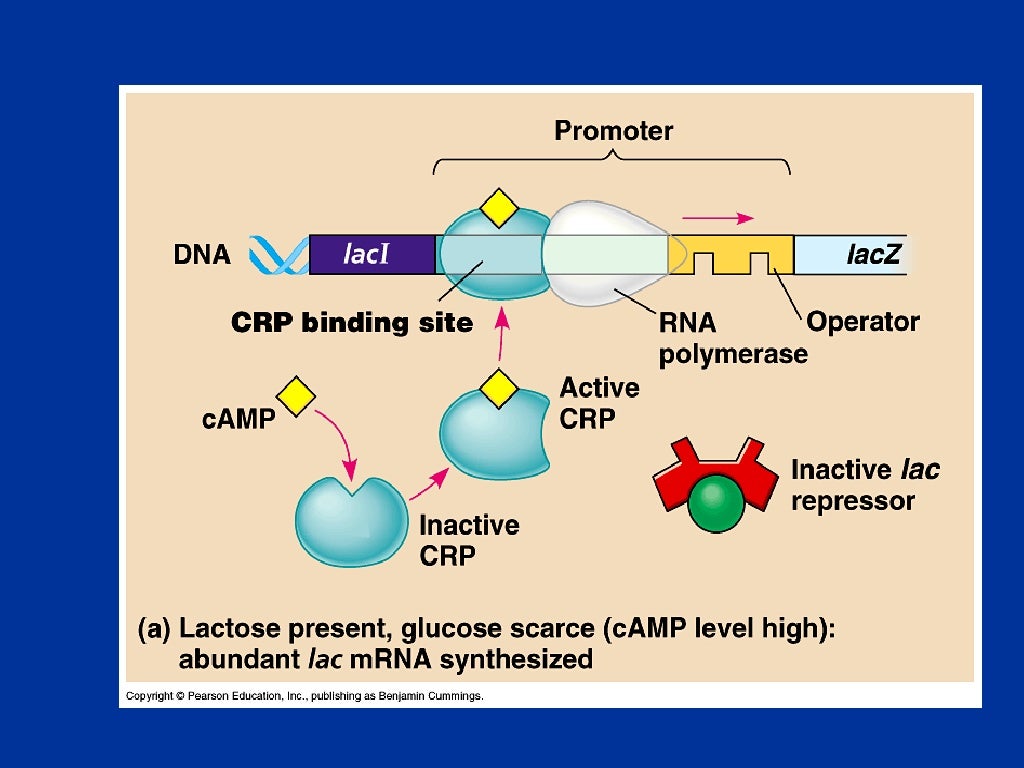
Prokaryotic gene regulation involves a complex network of molecular mechanisms that control the expression of genes. It allows the cell to produce specific proteins when needed and conserve energy by not synthesizing unnecessary proteins. The regulation of gene expression occurs at various levels, including transcriptional, translational, and post-translational levels.
The Key Players: Regulators and Promoters

Regulators, such as transcription factors, play a pivotal role in prokaryotic gene regulation. They can either activate or repress gene expression by binding to specific DNA sequences. Promoters, on the other hand, are DNA sequences located upstream of genes that serve as binding sites for RNA polymerase, the enzyme responsible for transcription.
Gene Regulation Mechanisms: An Insight into the Complexity
1. Transcriptional Regulation: Transcriptional regulation is the primary mechanism by which gene expression is controlled in prokaryotes. It involves the binding of transcription factors to DNA, either enhancing or inhibiting the binding of RNA polymerase to the promoter region. This regulation can be inducible or repressible, depending on the presence or absence of specific molecules or environmental conditions.
2. Translational Regulation: In some cases, gene expression is regulated at the translational level. Various regulatory elements, such as riboswitches and small non-coding RNAs, can bind to messenger RNA (mRNA) molecules, either promoting or inhibiting translation. This allows the cell to control protein synthesis without affecting transcription.
3. Post-translational Regulation: Once the proteins are synthesized, their activity can be further regulated through post-translational modifications. These modifications, such as phosphorylation or acetylation, can alter the structure and function of proteins, thereby affecting their activity and stability.
FAQs about Prokaryotic Gene Regulation
1. How does prokaryotic gene regulation differ from eukaryotic gene regulation?
In prokaryotes, gene regulation is usually more simple and direct compared to eukaryotes. Prokaryotes lack a membrane-bound nucleus and have a compact genome, allowing for more rapid and efficient regulation of gene expression. Eukaryotic gene regulation involves more complex mechanisms due to the presence of introns, chromatin structure, and various types of regulatory elements.
2. What are the advantages of prokaryotic gene regulation?
Prokaryotic gene regulation provides several advantages to cells. It allows for rapid response to changes in the environment, efficient energy utilization by preventing unnecessary protein synthesis, and specialized gene expression during different stages of growth and development. This regulation also helps prokaryotes adapt to varying conditions and enhances their survival in challenging environments.
3. How can an understanding of prokaryotic gene regulation contribute to medical advancements?
Studying prokaryotic gene regulation can offer valuable insights into human genetics and diseases. Many regulatory mechanisms and pathways are highly conserved across different organisms, including humans. Understanding prokaryotic gene regulation can help in identifying key regulatory elements, developing targeted therapies, and designing more efficient gene editing techniques, leading to advancements in personalized medicine and disease treatment.
In conclusion, prokaryotic gene regulation is a fascinating subject that holds great significance in the understanding of genetics and biology. By unraveling the complexities of this process, scientists can gain valuable insights into the functioning of cells and use this knowledge to drive medical advancements and improve human health.
Prokaryotic Gene Regulation
Image Source : www.slideshare.net regulation prokaryotic gene
Prokaryotic Gene Regulation Model
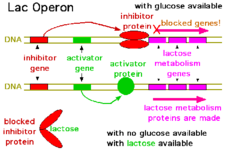 Image Source : regulationlatest.blogspot.com
 regulation prokaryotic biology
Prokaryotic Gene Regulation - YouTube
 Image Source : www.youtube.com
 regulation prokaryotic
Prokaryotic Gene Regulation | Biology For Non-Majors I
 Image Source : courses.lumenlearning.com
 gene operon prokaryotic lac regulation sequence biology prokaryotes genes lactose promoter operator regulatory rna transcription polymerase dna region majors non
PPT - Prokaryotic Gene Regulation PowerPoint Presentation, Free
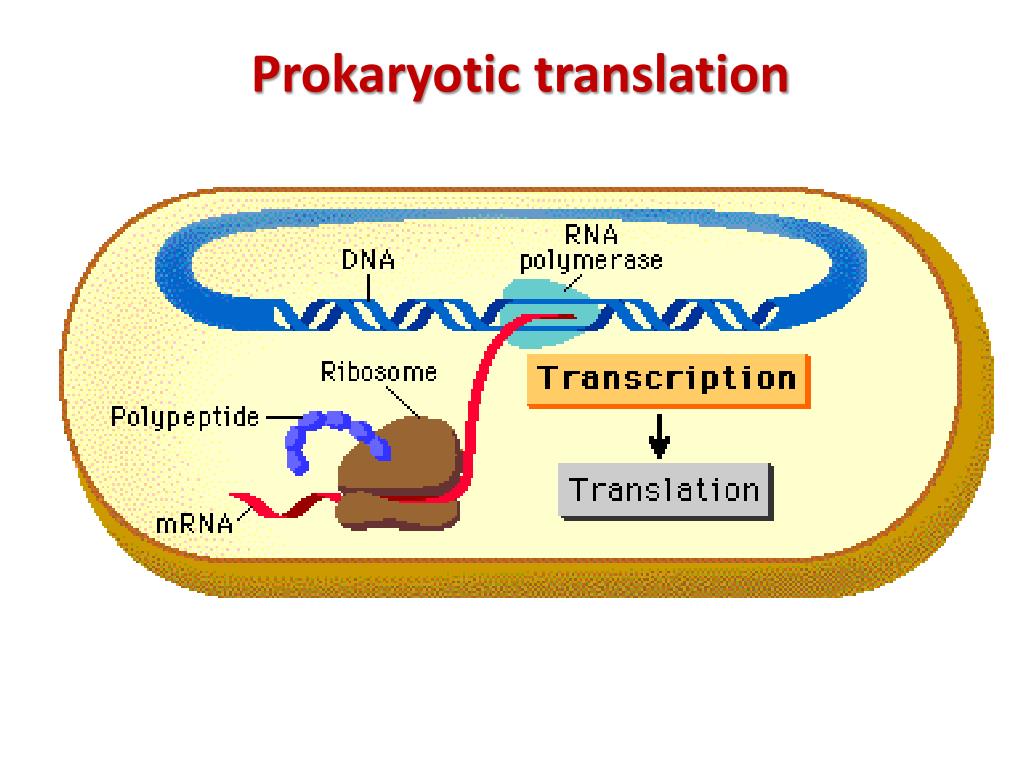 Image Source : www.slideserve.com
 prokaryotic regulation gene translation ppt powerpoint presentation
Prokaryotic And Eukaryotic Gene Regulation | Biology For Majors I
 Image Source : courses.lumenlearning.com
 prokaryotic gene prokaryotes regulation eukaryotic eukaryotes transcription cytoplasm procariota eucariota occurs occur simultaneously major genica transcriptional regolazione majors regulated handel
Biology, Genetics, Gene Expression, Prokaryotic Gene Regulation | OER
Image Source : www.oercommons.org promoter regulation operon constitutive inducible prokaryotic tryptophan trp transcription mrna attenuation transcriptional
Prokaryotic Gene Regulation
 Image Source : studylib.net
Image Source : studylib.net Regulation prokaryotic biology. Prokaryotic gene regulation. Regulation prokaryotic. Prokaryotic gene prokaryotes regulation eukaryotic eukaryotes transcription cytoplasm procariota eucariota occurs occur simultaneously major genica transcriptional regolazione majors regulated handel. Gene operon prokaryotic lac regulation sequence biology prokaryotes genes lactose promoter operator regulatory rna transcription polymerase dna region majors non