Reciprocal Regulation : What it is
Reciprocal Regulation of Glycolysis and Gluconeogenesis Diagram:

This diagram clearly depicts the interplay between glycolysis and gluconeogenesis, highlighting the reciprocal relationship between these two processes.
2. The Role of Post-Translational Modifications in Reciprocal Regulation of REST Another intriguing example of reciprocal regulation involves REST (RE1 Silencing Transcription factor), a protein with a crucial role in gene regulation and cellular differentiation. REST plays a role in modulating the expression of various genes, acting as a transcriptional repressor. Research has shown that the activity of REST is reciprocally regulated through post-translational modifications. These modifications include processes like phosphorylation, acetylation, and sumoylation. Phosphorylation, for instance, has been observed to inhibit REST activity, while acetylation and sumoylation promote its function. Understanding the reciprocal regulation of REST through post-translational modifications is essential in deciphering the complex regulatory mechanisms involved in gene expression and cellular differentiation. To help visualize this concept, take a look at the following model:A Model for Reciprocal Regulation of REST through Post-Translational Modifications:

This model outlines how post-translational modifications of REST play a pivotal role in its reciprocal regulation, affecting its function and the genes it regulates.
3. The Intricacies of Reciprocal Regulation: Unveiling the Mechanisms Reciprocal regulation mechanisms are highly intricate, involving a variety of molecular interactions and signaling pathways. Understanding these mechanisms is crucial to gain insights into how biological systems maintain balance and respond to changes in their environment. Here are some key aspects of reciprocal regulation mechanisms that elucidate the complexity and importance of this phenomenon:1. Signaling Pathways Involved:
Reciprocal regulation often relies on complex signaling networks that involve both positive and negative feedback loops. These signaling pathways communicate information and coordinate the activities of different processes, ensuring a dynamic and coordinated response. Examples include the cAMP-PKA (cyclic adenosine monophosphate - protein kinase A) pathway and the insulin signaling pathway.
2. Transcription Factors and Gene Expression:
Reciprocal regulation frequently relies on the actions of transcription factors, proteins that bind to specific DNA sequences and regulate gene expression. These transcription factors can act as activators or repressors, modulating the expression of genes involved in various biological processes. Through reciprocal regulation, the activity of one transcription factor can control the expression of the other, forming complex regulatory networks.
3. Feedback Mechanisms:
Reciprocal regulation often involves intricate feedback mechanisms that help maintain system stability and adaptability. Negative feedback loops, for instance, act as regulatory circuits that dampen or oppose changes in a process, helping to stabilize and fine-tune the system. Positive feedback loops, on the other hand, amplify and reinforce changes, leading to more pronounced responses.
These are just a few examples of the fascinating mechanisms that underlie reciprocal regulation in biological systems. The intricate nature of these regulatory networks highlights the remarkable complexity and adaptability of living organisms.
FAQs (Frequently Asked Questions): Q: Are reciprocal regulation mechanisms present only in living organisms? A: Reciprocal regulation mechanisms are not limited to living organisms. They can also be observed in various non-biological systems, such as chemical reactions and physical processes. However, their significance and complexity are most pronounced in biological systems due to the intricate interdependencies and feedback mechanisms involved. Q: How do reciprocal regulation mechanisms contribute to maintaining homeostasis? A: Reciprocal regulation allows biological systems to maintain homeostasis by dynamically adjusting the activities of different processes. When one pathway or process is upregulated, the reciprocal pathway or process is downregulated, ensuring a balanced response to internal and external cues. This fine-tuned regulation helps maintain stable conditions essential for optimal functioning. Q: Can dysregulation of reciprocal regulation be associated with diseases? A: Yes, dysregulation of reciprocal regulation can contribute to the development of various diseases. For example, imbalances in the reciprocal regulation of glycolysis and gluconeogenesis have been associated with metabolic disorders like diabetes. Understanding and targeting these dysregulated regulatory mechanisms hold great potential for therapeutic interventions. Conclusion: The Beauty of Reciprocal Regulation Reciprocal regulation is a captivating phenomenon that reveals the intricacies of biological systems. Through reciprocal regulation, different processes and pathways are delicately interconnected, providing a dynamic and adaptive response to changing conditions. From metabolic pathways to gene regulation, reciprocal regulation plays a critical role in maintaining homeostasis and ensuring optimal functioning. By exploring examples like the reciprocal regulation of glycolysis and gluconeogenesis and the post-translational modification of REST, we gain a deeper appreciation for the complexity and significance of this regulatory mechanism. The interplay of signaling pathways, transcription factors, and feedback loops showcases the sophisticated nature of reciprocal regulation in biological systems. As we continue to unfold the mysteries of reciprocal regulation, the knowledge gained can pave the way for breakthroughs in medicine, bioengineering, and our overall understanding of life itself. So, let's marvel at the beauty of reciprocal regulation and embrace its wonders as we continue to unravel the secrets of the natural world.GLUCONEOGENESIS
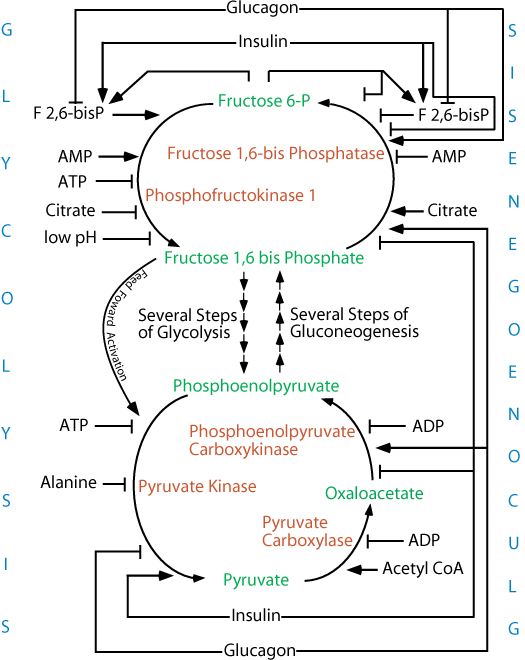 Image Source : education.med.nyu.edu
 Reciprocal Regulation Of P21 And Chk1 Controls The Cyclin D1-RB Pathway
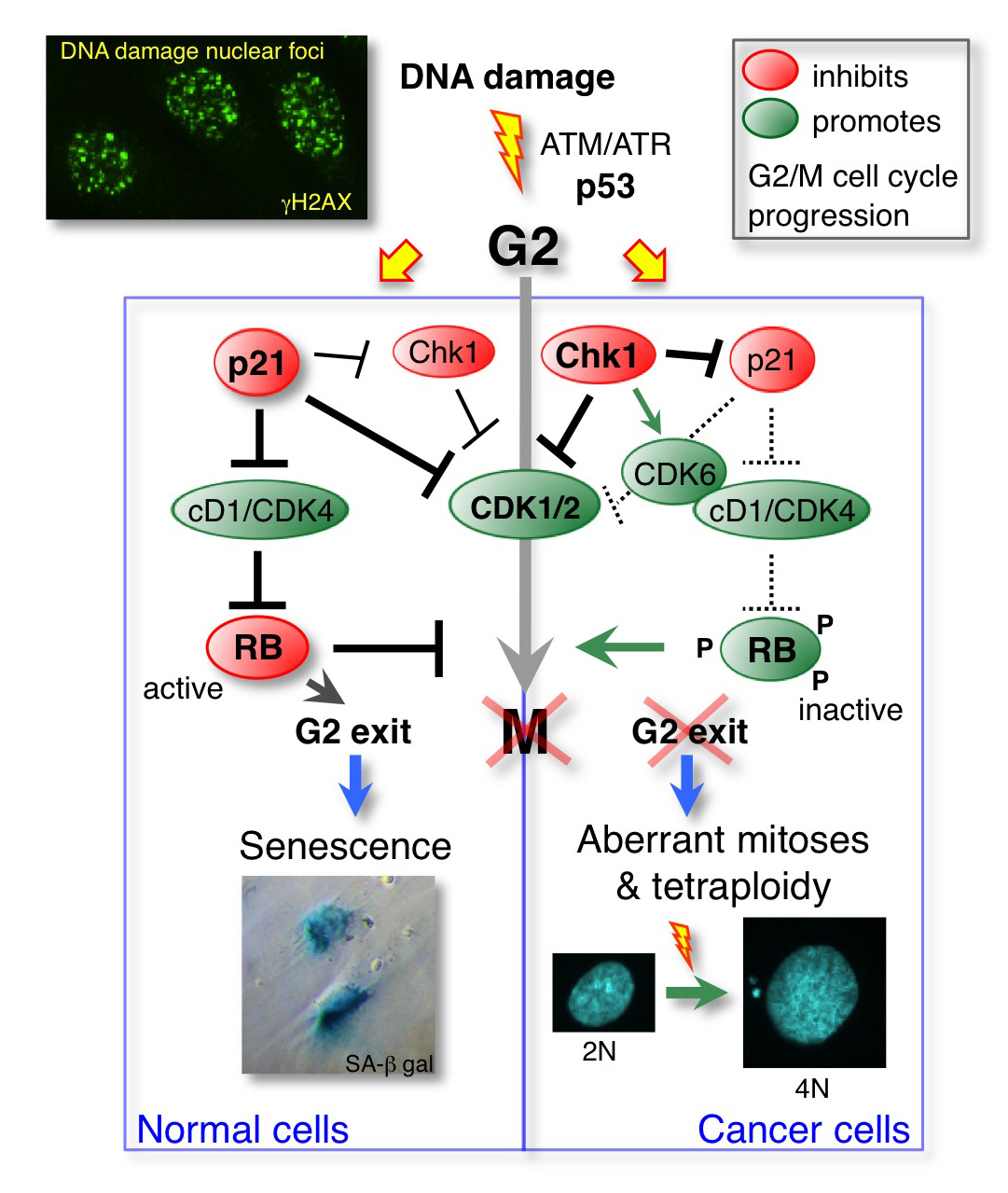 Image Source : www.igmm.cnrs.fr
 Figure 3 From Reciprocal Regulation Of The TOR Kinase And ABA Receptor
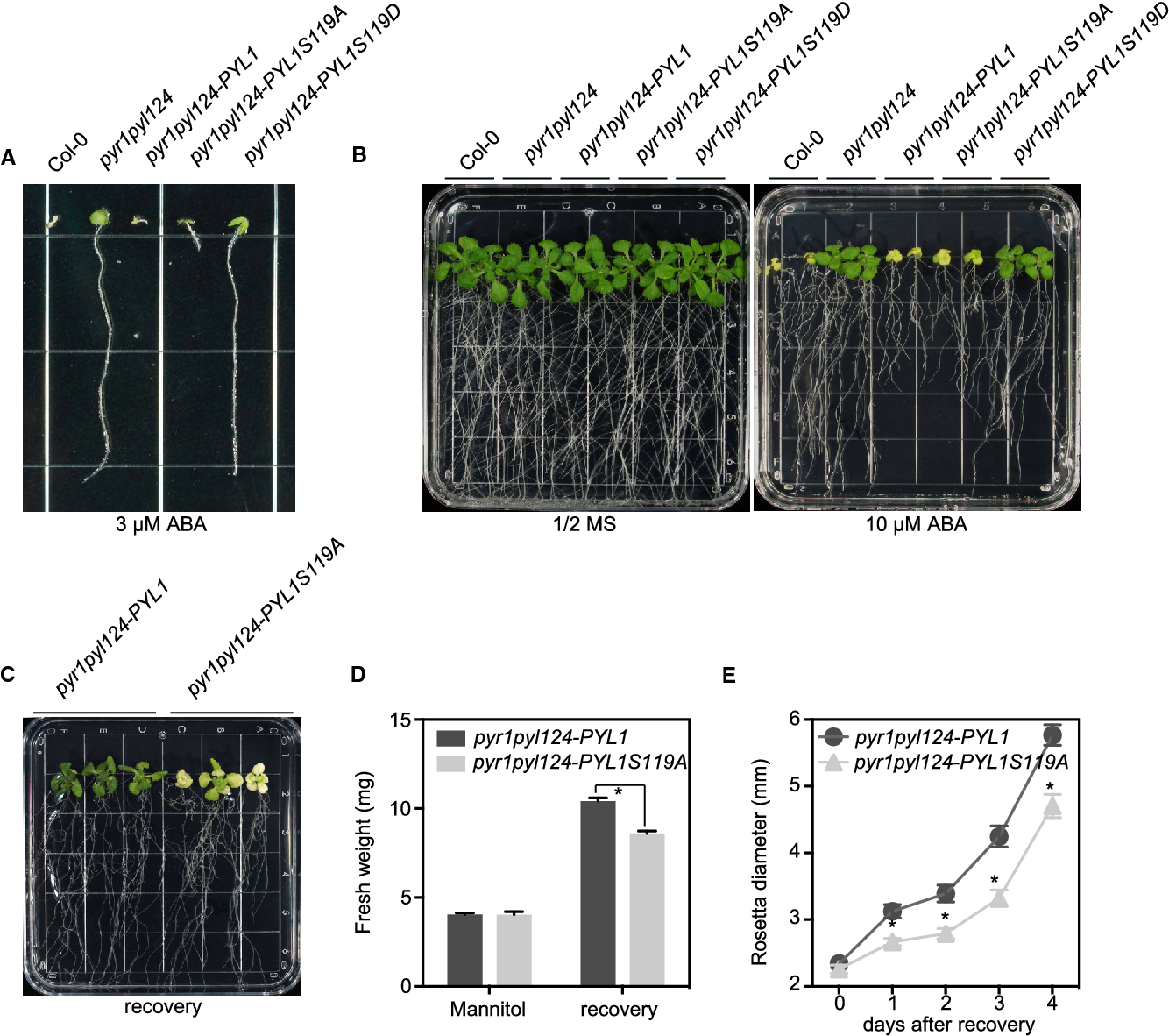 Image Source : www.semanticscholar.org
 A Model For Reciprocal Regulation Of REST Through Post-translational
Image Source : www.researchgate.net Reciprocal Regulation Of Glycolysis And Gluconeogenesis Diagram | Quizlet
Image Source : quizlet.com Metabolic Regulation 2310611 Advanced Biochemistry Piamsook Pongsawasdi Oct
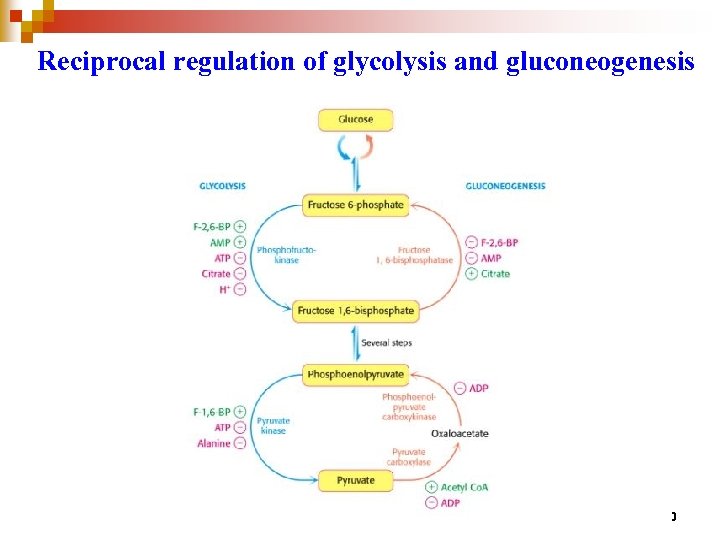 Image Source : present5.com
 metabolic biochemistry reciprocal gluconeogenesis glycolysis
Reciprocal Regulation Of Gluconeogenesis And Glycolysis - YouTube
 Image Source : www.youtube.com
 regulation gluconeogenesis glycolysis reciprocal
Reciprocal Regulation Of Glycogen Metabolism - Free Medical Videos
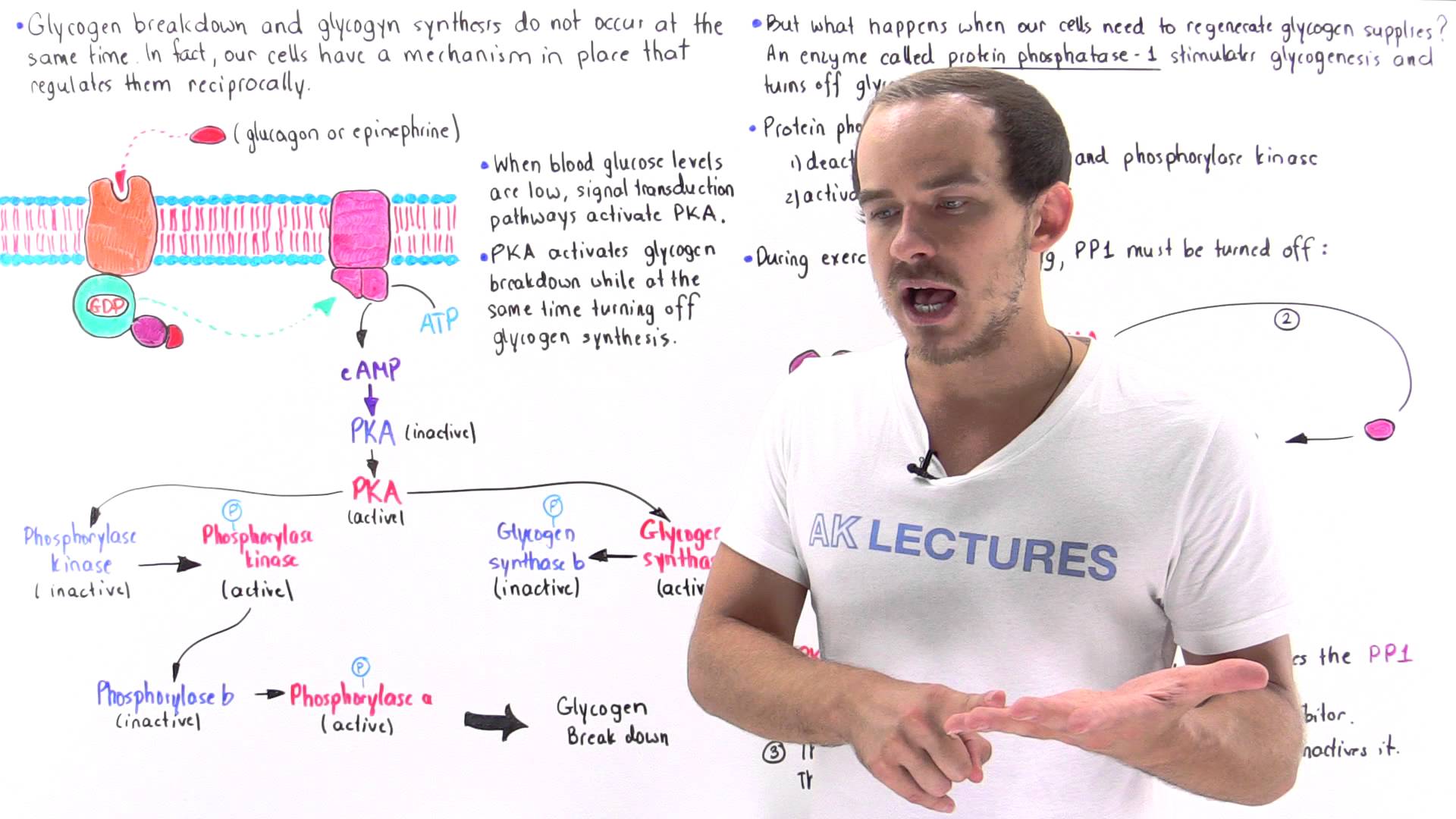 Image Source : freemedicalvideos.com
 glycogen metabolism regulation
Metabolic biochemistry reciprocal gluconeogenesis glycolysis. Regulation gluconeogenesis glycolysis reciprocal. A model for reciprocal regulation of rest through post-translational. Glycogen metabolism regulation. Reciprocal regulation of glycolysis and gluconeogenesis diagram