Co Regulation For Adults : What it is
Co-Regulation for Adults: What It Is and How It Can Benefit You As adults, we often focus on self-regulation, the ability to manage our thoughts, emotions, and behaviors. However, there is another important aspect of emotional well-being that is often overlooked - co-regulation. Co-regulation refers to the mutual influence that individuals have on each other's emotional states. This concept is not only applicable to parent-child relationships but also holds significant value in adult interactions. In this article, we will explore what co-regulation is, why it is important, and how it can benefit you in various aspects of your life. ### Subheading 1: Understanding Co-Regulation Co-regulation is the process through which individuals sync their emotional states through nonverbal cues, such as facial expressions, body language, and vocal tone. It involves a reciprocal interaction where one person's emotions and behaviors have an impact on another person's emotional well-being, and vice versa. This interpersonal dynamic can occur in various relationships, including friendships, romantic partnerships, and professional settings. The significance of co-regulation lies in its ability to foster emotional connection, empathy, and understanding. When individuals engage in co-regulation, they create an environment where emotions can be shared openly, leading to improved emotional well-being for all parties involved. ### Subheading 2: The Benefits of Co-Regulation 1. Enhanced Emotional Resilience: Engaging in co-regulation can help strengthen your emotional resilience. When you have a reliable support system that understands and empathizes with your emotions, it becomes easier to navigate through difficult times. Co-regulation provides a sense of safety and validation, helping you develop coping mechanisms and bounce back from emotional challenges more effectively. 2. Improved Communication: Co-regulation is closely tied to effective communication. When individuals are engaged in co-regulation, they actively listen to each other's emotional needs, fostering clearer and more empathetic communication. By being present and attuned to one another, conflicts and misunderstandings can be resolved more easily, enhancing the overall quality of relationships. 3. Reduced Stress and Anxiety: Co-regulation can have a calming effect on the nervous system. When you engage in co-regulation with someone, such as a partner, friend, or therapist, their presence and support can help regulate your own stress response. This can lead to a reduction in stress and anxiety levels, promoting a greater sense of well-being and emotional stability. ### Subheading 3: How to Practice Co-Regulation 1. Active Listening: To practice co-regulation, it is crucial to be an active listener. Pay attention to not just the words being spoken but also to the emotions being expressed. Validate the other person's emotions by acknowledging their feelings and providing a safe space for open communication. 2. Empathy and Understanding: Show empathy and understanding towards the emotions of others. Put yourself in their shoes and try to understand the reasons behind their emotions. Respond with kindness and support, creating a space for co-regulation and emotional connection. 3. Seek Support: Surround yourself with individuals who value co-regulation. Seek out supportive friends, partners, or even professional therapists who can provide a safe and non-judgmental space for emotional sharing. Don't hesitate to reach out for help when you need it, and reciprocate by being there for others when they need support. ### Frequently Asked Questions (FAQ) Q: How does co-regulation differ from self-regulation? A: While self-regulation involves managing your own emotions and behaviors, co-regulation focuses on the mutual influence between individuals. Self-regulation is an internal process, whereas co-regulation involves external interactions and the ability to sync emotions and experiences with others. Q: Can co-regulation improve mental health? A: Yes, co-regulation has been found to improve mental health by fostering emotional connection, reducing stress, and enhancing overall well-being. It provides a supportive environment where individuals can openly express their emotions and feel understood. Q: Can co-regulation be practiced in professional settings? A: Absolutely. Co-regulation is not limited to personal relationships but can also be practiced in professional settings. Being aware of your colleagues' emotions and actively creating an empathetic and safe environment can greatly enhance workplace relationships and productivity. Q: How can co-regulation benefit parenting? A: Co-regulation is essential in parent-child relationships. When parents engage in co-regulation with their children, they provide a safe space for emotional expression and help their children develop emotional regulation skills. This leads to improved parent-child bonding and overall child development. In conclusion, co-regulation plays a vital role in our emotional well-being, allowing us to establish deeper connections with others and experience improved mental health. By practicing active listening, empathy, and seeking support, we can enhance our emotional resilience and foster healthier relationships. So, make co-regulation a conscious effort in your interactions and experience the positive impact it can bring to your life.  Image Source : www.pinterest.com
 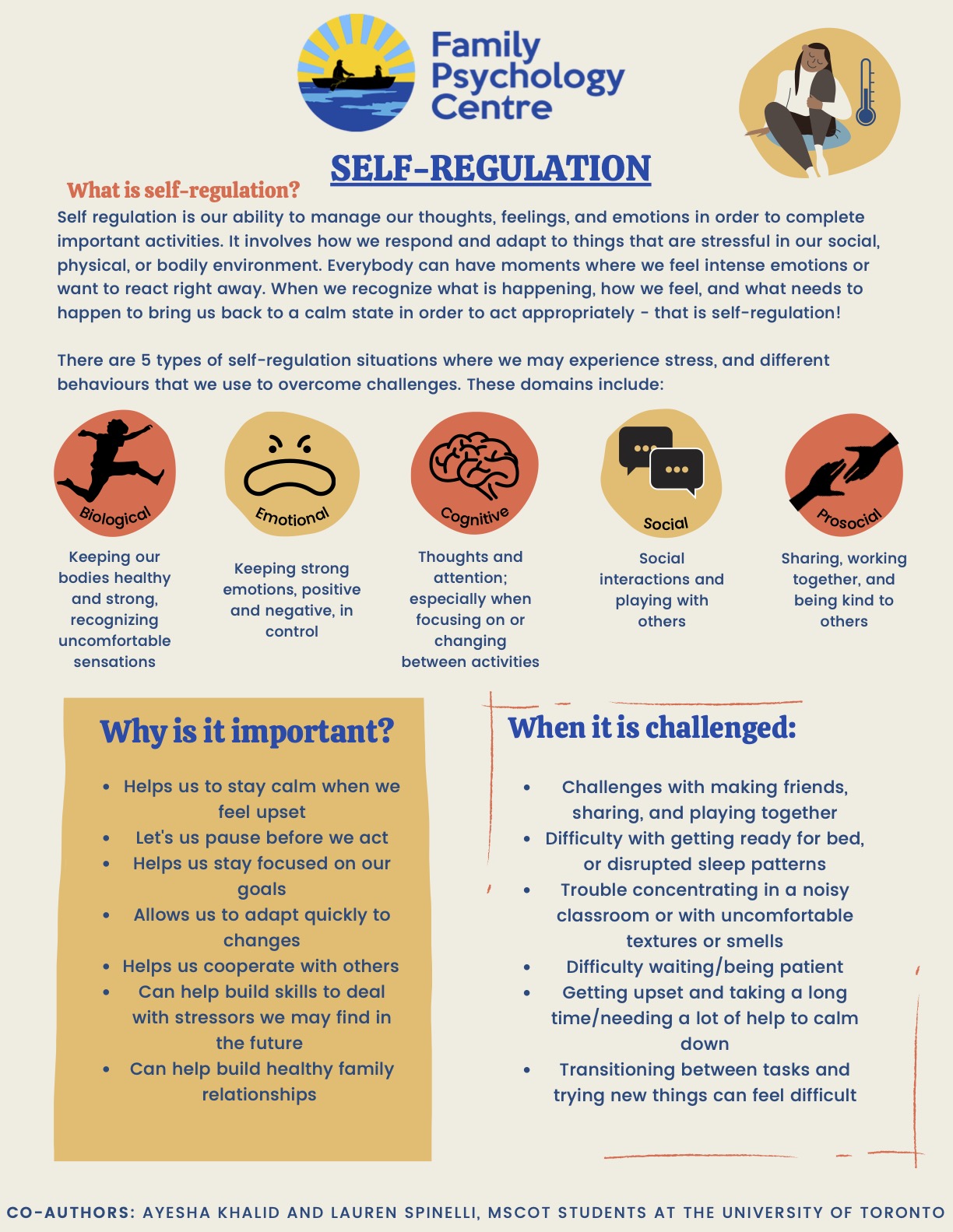 Image Source : familypsychology.org
  Image Source : www.pinterest.com
  Image Source : www.pinterest.ca
  Image Source : www.pinterest.com
  Image Source : www.pinterest.co.uk
  Image Source : www.pinterest.com
  Image Source : self-reg.ca
Thespeechpractice On Instagram: “Co-regulation Is The Interaction Which
Image Source : www.pinterest.com regulation regulating provides attention
Self Regulation: Strategies For Kids And Teens - Family Psychology
Image Source : familypsychology.org handout
Pin On Individual Counseling
Image Source : www.pinterest.com Pin By Bethany Hogan On Early Childhood Education | Early Childhood
Image Source : www.pinterest.ca Self-Regulation Counseling Group Ready To Regulate Self-Regulation
Image Source : www.pinterest.com zones regulate anger coping activity counselling counselor skills health mentoring ptsd teacherspayteachers
Equipping Our Kid's Emotional Toolbelt- Zones Of Regulation - Parenting
Image Source : www.pinterest.co.uk regulation zones emotional feelings chart child activities development skills self social school students check emotion emotions kids children therapy zone
Pin On Mental Emotion Welbeing
Image Source : www.pinterest.com regulation coping regulated activities teenagers selfregulation adhd hes
Parenting TEST Page - Self-Reg
Image Source : self-reg.ca Thespeechpractice on instagram: “co-regulation is the interaction which. Self regulation: strategies for kids and teens. Pin on mental emotion welbeing. Zones regulate anger coping activity counselling counselor skills health mentoring ptsd teacherspayteachers. Parenting test page