Parkinson's Temperature Regulation
Sweating and Temperature Regulation in Parkinson's Disease
Temperature regulation is an essential function of the human body, allowing us to maintain a stable internal temperature regardless of external conditions. In Parkinson's Disease (PD), however, this process becomes disrupted, leading to various changes in sweating patterns. In this article, we will explore the relationship between PD and sweating, the impact on temperature regulation, and provide insights into managing these symptoms.
Sweating and its Role in Temperature Regulation
Sweating is a natural process that helps regulate body temperature. When our body gets heated due to physical exertion, environmental factors, or emotional stress, sweat glands are activated to cool the body down. In Parkinson's Disease, sweating patterns can be significantly altered due to the underlying neurological changes.

Sweating Changes in Parkinson's Disease
Individuals with Parkinson's Disease often experience abnormal sweating patterns, which can manifest in two ways: hypo- and hyperhidrosis.
Hypohidrosis:
Hypohidrosis refers to decreased sweating, leading to inadequate cooling of the body. Despite increased body temperature, individuals with PD may produce reduced amounts of sweat, making it challenging to dissipate heat effectively. This can increase the risk of overheating and potentially result in heat stroke or heat exhaustion.

Hyperhidrosis:
On the other hand, hyperhidrosis refers to excessive sweating in PD. This can occur due to autonomic dysfunction, whereby the nervous system overactivates sweat glands, leading to profuse sweating even during mild physical exertion or in cool environments. Hyperhidrosis can cause significant discomfort, embarrassment, and may necessitate frequent clothing changes and hygiene practices.
Managing Sweating and Temperature Regulation in Parkinson's
While changes in sweating patterns can pose challenges for individuals with Parkinson's Disease, several strategies can help manage these symptoms effectively. It is crucial to consult with a healthcare professional for personalized advice, but here are some general tips:
Stay Hydrated:
It is essential for individuals with PD to remain adequately hydrated. Proper hydration can help optimize sweat production and regulate body temperature more effectively.Maintain Optimal Room Temperature:
Keeping indoor environments at a comfortable temperature, neither too hot nor too cold, can help minimize the impact of sweating abnormalities.Choose Breathable Clothing:
Wearing light, breathable fabrics can enhance airflow to the body and aid in the evaporation of sweat, promoting better temperature regulation.Use Cooling Accessories:
Cooling accessories such as neck wraps or hand-held fans can provide instant relief during episodes of increased body temperature.Manage Stress:
Emotional stress can exacerbate sweating in PD. Practicing stress management techniques like deep breathing exercises, meditation, or engaging in enjoyable activities can help reduce stress levels and sweating response.
FAQs about Sweating and Temperature Regulation in Parkinson's Disease
Q: Does sweating change in all individuals with Parkinson's Disease?
A: No, sweating changes can vary among individuals with PD. While some may experience hypohidrosis or hyperhidrosis, others may not notice significant alterations in their sweating patterns.
Q: How can hypohidrosis affect individuals with Parkinson's?
A: Hypohidrosis can lead to difficulties regulating body temperature, increasing the risk of heat-related complications like heat exhaustion or heat stroke.
Q: Can medications for Parkinson's Disease affect sweating patterns?
A: Yes, certain medications used to manage Parkinson's symptoms can affect sweating. It is essential to discuss any changes in sweating with a healthcare professional, as adjustments in medication dosage may be necessary.
In Conclusion
Sweating and temperature regulation abnormalities can significantly impact individuals with Parkinson's Disease. Whether it is hypo- or hyperhidrosis, these changes can pose challenges in maintaining a comfortable body temperature. However, with proper management strategies and guidance from healthcare professionals, individuals with PD can enhance their quality of life and effectively cope with these symptoms.
Disclaimer: The information provided in this article is for educational purposes only and should not be considered as medical advice. Please consult with a healthcare professional for personalized recommendations based on your condition.
Sweating And Temperature Regulation In PD | Stanford Parkinson's
 Image Source : med.stanford.edu
 Sweating And Temperature Regulation In PD | Stanford Parkinson's
 Image Source : med.stanford.edu
 Far Infrared And Parkinson's - ParkinsonsDaily.com
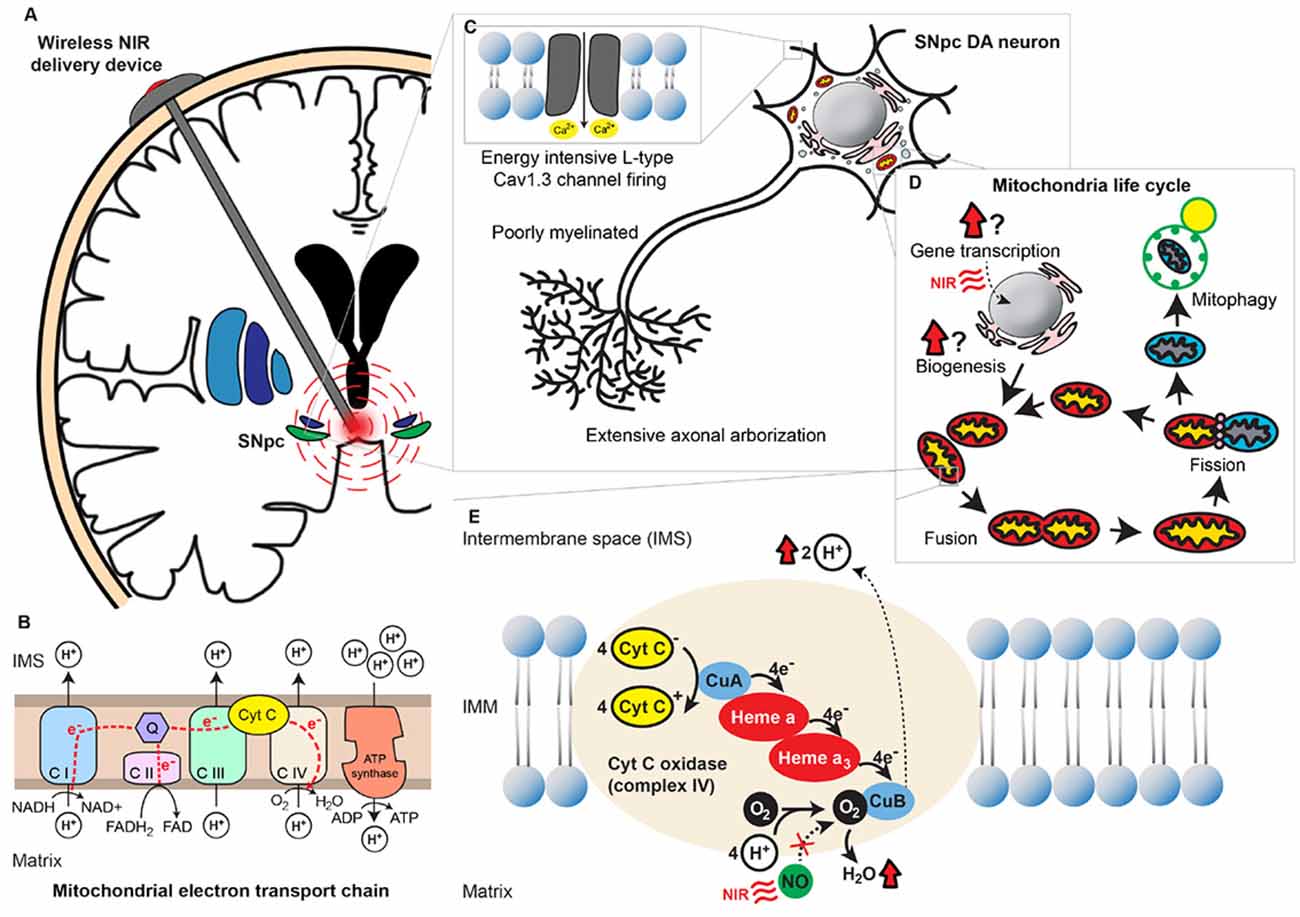 Image Source : www.parkinsonsdaily.com
 Sweating And Temperature Regulation In PD | Stanford Parkinson's
Image Source : med.stanford.edu Sweating And Temperature Regulation In PD | Stanford Parkinson's
 Image Source : med.stanford.edu
 Sweating And Temperature Regulation In PD | Stanford Parkinson's
Image Source : med.stanford.edu Sweating And Temperature Regulation In PD | Stanford Parkinson's
 Image Source : med.stanford.edu
 sweating parkinson stanford parkinsons regulation
Sweating And Temperature Regulation In PD | Stanford Parkinson's
 Image Source : med.stanford.edu
 Sweating and temperature regulation in pd. Sweating parkinson stanford parkinsons regulation. Far infrared and parkinson's. Sweating and temperature regulation in pd. Sweating and temperature regulation in pd