Regulation Definition Biology
Allosteric Regulation: fine-tuning enzymatic activity

Allosteric regulation plays a crucial role in maintaining the balance of enzyme activity within an organism. It involves the binding of regulatory molecules, known as allosteric modulators or effectors, to sites on the enzyme called allosteric sites. These modulators can either inhibit or activate enzyme activity, depending on the specific conditions and requirements of the organism.
Importance of Allosteric Regulation in Biological Systems
Allosteric regulation allows organisms to respond to changes in their environment effectively. By manipulating enzyme activity, cells can regulate metabolic pathways, control enzyme synthesis, and maintain energy balance. This regulatory mechanism is especially critical for enzymes that are involved in vital processes such as DNA replication, cell division, and signal transduction.
Eukaryotic Gene Regulation: Orchestrating Cellular Activities Another essential aspect of regulation in biology is eukaryotic gene regulation. Eukaryotes, including plants and animals, employ sophisticated mechanisms to control gene expression, ensuring that different genes are activated or repressed at the right time throughout an organism's life cycle.Eukaryotic Gene Regulation: Orchestrating Cellular Activities

Eukaryotic gene regulation involves a complex interplay of regulatory proteins, transcription factors, and DNA elements that interact to mediate gene expression. This process is critical for directing cellular activities and ensuring proper development, growth, and response to environmental cues.
Significance of Eukaryotic Gene Regulation
Eukaryotic gene regulation allows an organism to adapt to its surroundings by activating or inhibiting gene expression. This mechanism ensures that specific genes are expressed in the correct cell types, at the appropriate developmental stages, and in response to various signals. Dysregulation of gene expression can lead to developmental defects, diseases, and other abnormalities.
Exploring the Intersection of Allosteric and Gene Regulation
The regulation of cellular processes involves a intricate interplay between allosteric regulation and gene expression. For instance, allosteric regulation can affect the activity of transcription factors, which are essential for controlling gene expression. Conversely, the expression of genes encoding allosteric enzymes can be regulated by various transcription factors and other regulators.
FAQs About Regulation in Biology
1. What are the key differences between allosteric regulation and gene regulation?
Allosteric regulation primarily focuses on the modulation of enzyme activity by regulatory molecules binding to allosteric sites. In contrast, gene regulation involves controlling the expression of specific genes, determining when and where they are activated or repressed within an organism's cells.
2. How does allosteric regulation contribute to maintaining homeostasis?
By precisely modulating enzyme activity, allosteric regulation helps organisms maintain homeostasis by ensuring that metabolic processes are in balance. This regulation allows cells to respond to changing physiological conditions and regulate energy flow according to their requirements.
3. What are some examples of diseases resulting from dysregulation of gene expression?
Dysregulation of gene expression has been implicated in various diseases, including cancer, neurodegenerative disorders like Alzheimer's and Parkinson's diseases, autoimmune disorders, and developmental defects. Understanding the intricacies of gene regulation can provide insights into potential therapeutic interventions for these conditions.
In conclusion, regulation in biology involves a wide array of mechanisms that allow organisms to maintain homeostasis, control enzymatic activity, and orchestrate cellular processes. Allosteric regulation and eukaryotic gene regulation are essential components of this regulatory framework, ensuring that biological systems function optimally. By unraveling the intricacies of these processes, scientists can gain a better understanding of life's fundamental processes and potentially develop targeted interventions for various diseases.PPT - Biology 10.2 Gene Regulation And Structure PowerPoint
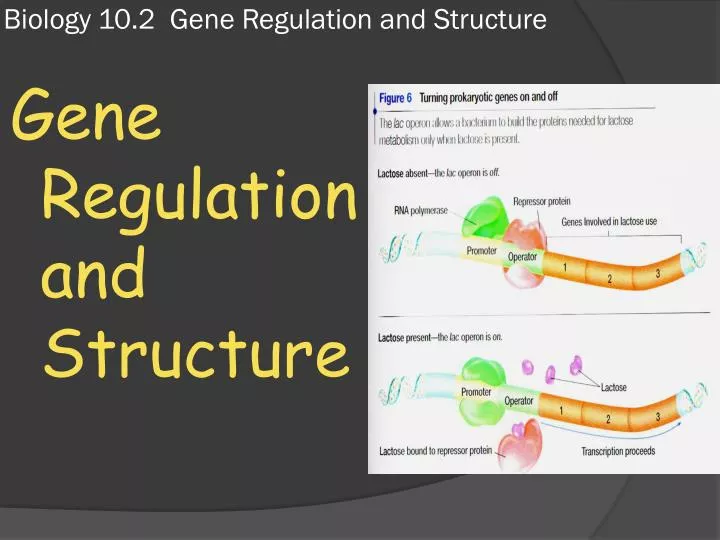 Image Source : www.slideserve.com
 regulation gene biology structure ppt powerpoint presentation
Latest Regulation: Regulation Definition Biology Example
 Image Source : regulationlatest.blogspot.com
 mechanisms transcription
031 - AP Biology Portfolio
 Image Source : apbioportfolio17.weebly.com
 gene eukaryotes regulation biology prokaryotes control vs eukaryotic ap transcription protein cells
Atp Is Useful In Many Biological Processes Explain Why 4 - Wasfa Blog
 Image Source : wasfa-hd.blogspot.com
 regulation processes cellular myc biological atp
What Is Regulatory Enzyme And Enzyme Regulation? | Easy Biology Class
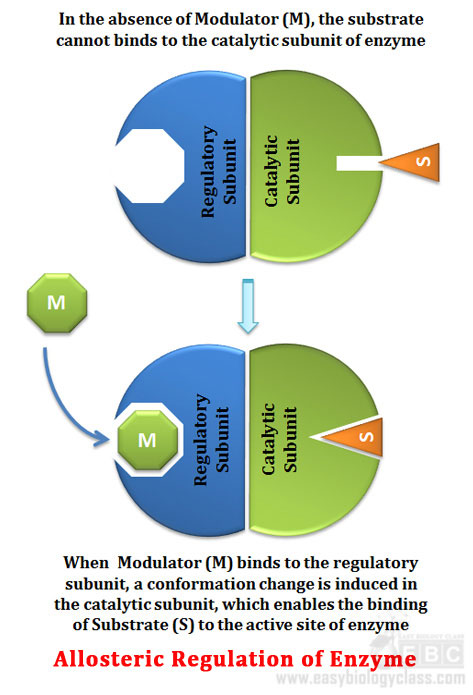 Image Source : www.easybiologyclass.com
 regulation allosteric enzyme enzymes modulator regulate regulatory enzymatic mechanisms easybiologyclass easy biology molecular methods acitvity
Regulation Of Gene - Gene Expression And Transcription Of Cell
 Image Source : byjus.com
 gene regulation biology expression genes cell
AP Biology: Cell Cycle Regulation And Cancer - YouTube
 Image Source : www.youtube.com
 cycle cell cancer regulation biology ap
Biology Pictures | Allosteric Regulation, Enzymes Activity, Biology
 Image Source : www.pinterest.com
 biology allosteric regulation enzymes site active activity cell choose board
Mechanisms transcription. Biology pictures. Atp is useful in many biological processes explain why 4. Ap biology: cell cycle regulation and cancer. What is regulatory enzyme and enzyme regulation?