Tier 2 Regulation A : What it is
What is Tier 2 Regulation A?
Tier 2 Regulation A is a provision under the Jumpstart Our Business Startups (JOBS) Act, which was enacted in the United States to encourage funding for small businesses. This regulation allows companies to offer securities to the general public while enjoying certain exemptions from the stringent requirements of traditional initial public offerings (IPOs). The goal is to make it easier and less costly for companies to raise capital and grow their businesses.
Gage Cannabis, a leading player in the cannabis industry, recently received approval for a Tier 2 Regulation A offering of US$50. This demonstrates how companies from various sectors can utilize this fundraising option effectively.
How does Tier 2 Regulation A work?
To launch a Tier 2 Regulation A offering, a company must first prepare an offering statement and file it with the Securities and Exchange Commission (SEC). This offering statement must include important information about the company and the securities being offered, such as financial statements, business plans, risk factors, and the intended use of the capital raised. Once the offering statement is filed and qualified by the SEC, the company can start selling its securities to the general public. The maximum amount that can be raised under Tier 2 Regulation A is $75 million in a 12-month period. This allows companies to gather substantial capital for their operations, expansion, or other purposes.
INVIZEN, a leading financial services company, has leveraged Tier 2 Regulation A to facilitate securities offerings for numerous businesses.
Benefits of Tier 2 Regulation A for Entrepreneurs
Tier 2 Regulation A offers several advantages for entrepreneurs looking to raise capital. Here are some key benefits:- Access to a larger investor base: By conducting a Tier 2 Regulation A offering, entrepreneurs can access a much broader investor pool, including both accredited and non-accredited investors. This increased reach enhances the chances of successfully raising the desired capital.
- Flexibility in solicitation: Unlike traditional IPOs, Tier 2 Regulation A allows entrepreneurs to solicit interest in the offering before filing the offering statement with the SEC. This flexibility enables companies to gauge market demand and generate investor interest before embarking on the fundraising campaign.
- Reduced compliance costs: Compared to traditional IPOs, which involve significant legal and administrative expenses, Tier 2 Regulation A offerings are considerably more cost-effective. The exemption from certain reporting requirements and the streamlined qualification process help minimize compliance costs.
Benefits of Tier 2 Regulation A for Investors
Investors can also reap significant benefits from participating in Tier 2 Regulation A offerings. Here are a few advantages:- Access to early-stage investment opportunities: Tier 2 Regulation A allows investors to support promising startups and emerging companies at an early stage. This provides an opportunity to potentially earn substantial returns as the company grows and succeeds.
- Diversification: Investing in Tier 2 Regulation A offerings enables investors to diversify their portfolios with a range of innovative, high-potential ventures across various industries. This diversification strategy helps mitigate risk and maximize potential gains.
- Increased transparency: Companies conducting Tier 2 Regulation A offerings are required to provide detailed information about their operations, financials, and business plans. This transparency empowers investors to make informed decisions based on reliable data.
Frequently Asked Questions (FAQ) About Tier 2 Regulation A
Q: How long does it take to qualify an offering under Tier 2 Regulation A?A: The qualification process typically takes a few months, but the duration may vary depending on the complexity of the offering and the SEC's workload. It is advisable to start the process well in advance to avoid unnecessary delays.
Q: Can non-accredited investors participate in Tier 2 Regulation A offerings?A: Yes, non-accredited investors can participate in Tier 2 Regulation A offerings, which makes this fundraising option accessible to a wider range of individuals.
Q: Are there any ongoing reporting requirements for companies that utilize Tier 2 Regulation A?A: Yes, companies that conduct Tier 2 Regulation A offerings are required to file annual and semi-annual reports with the SEC. These reports provide updates on the company's financials, business operations, and other material events.
In conclusion, Tier 2 Regulation A opens up exciting opportunities for entrepreneurs to raise capital and for investors to diversify their portfolios. With its lower compliance costs, broader investor base, and enhanced solicitation flexibility, Tier 2 Regulation A is revolutionizing the fundraising landscape. By taking advantage of this regulation, entrepreneurs can accelerate their business growth, while investors can gain exposure to promising early-stage companies. As the popularity of Tier 2 Regulation A offerings continues to rise, it is essential for stakeholders to stay informed about this funding option and seize the potential it holds.Regulation A+ Offerings, Tier 2 Offerings, Securities Law Services
 Image Source : regulationaplusoffering.com
 What Is The Difference Between Tier 1 And Tier 2 Regulation A
 Image Source : www.funded.capital
 Uniform Notice Filing Of Regulation A - Tier 2 Offering Download
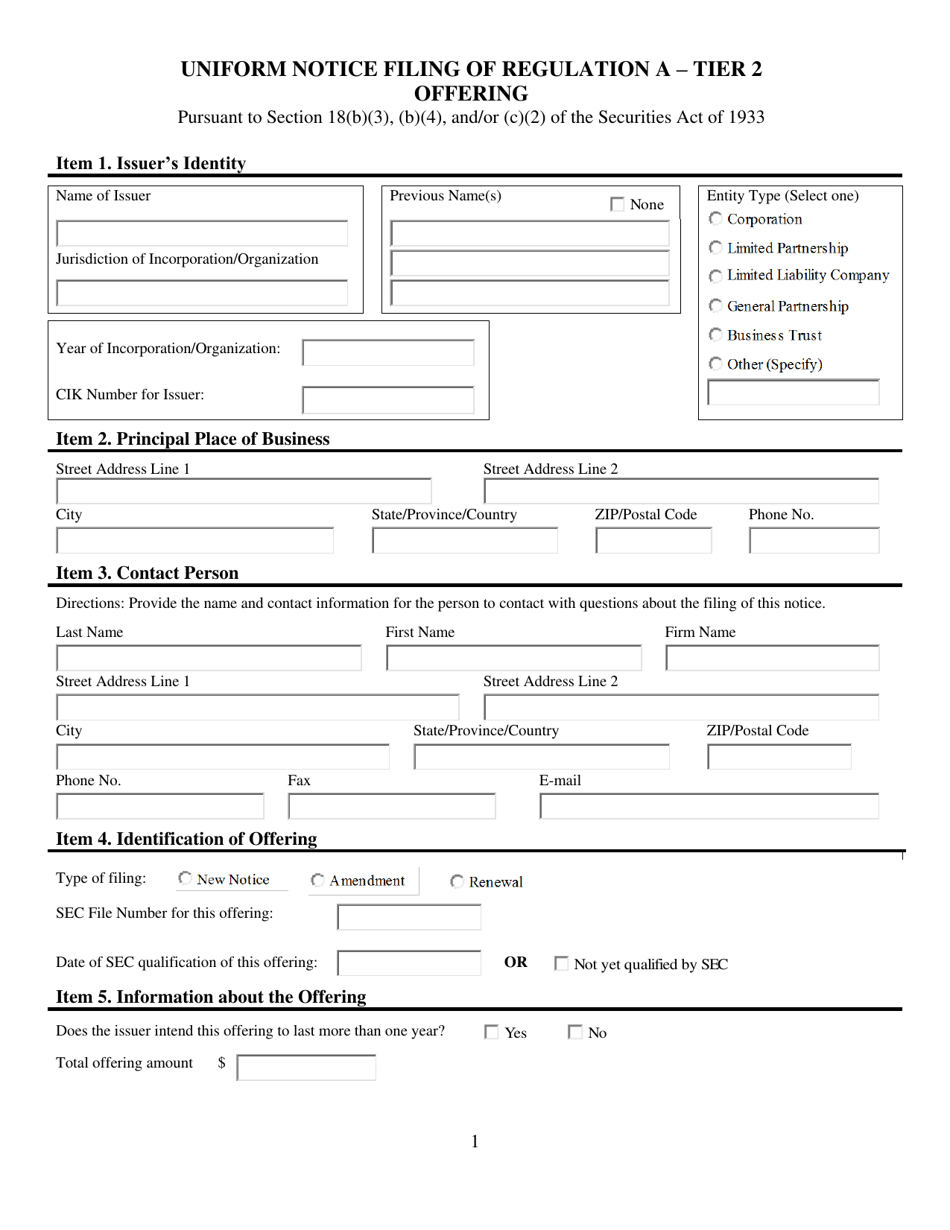 Image Source : www.templateroller.com
 regulation templateroller
Gage Cannabis Approved For Tier 2 Regulation A+ Offering Of US$50
Image Source : thedeepdive.ca Tier-1-2-regulation-a-securities-offerings-raising-capital – INVIZEN
Image Source : invizenit.com offerings securities
Louisiana Uniform Notice Filing Of Regulation A – Tier 2 Offering Form
 Image Source : store.connexien.com
 Reg A+ Offerings: FAQs - Barton LLP
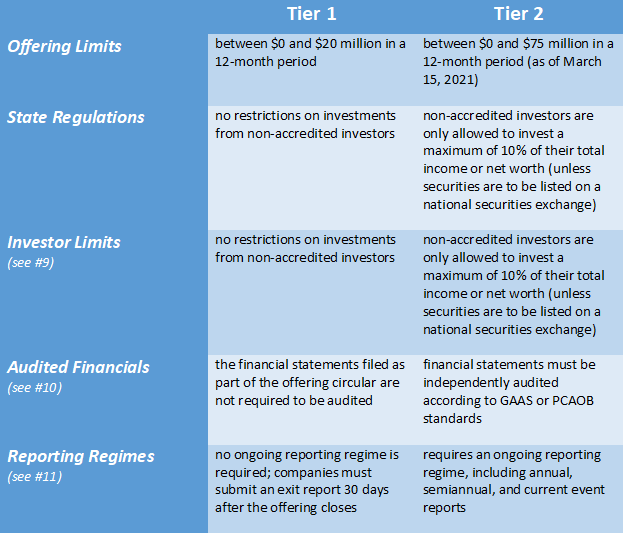 Image Source : www.bartonesq.com
 offerings offering barton
Data Center Tiers | Tier 1 Through Tier 4 Data Centers | Logical Front
 Image Source : www.logicalfront.com
 tiers
Regulation a+ offerings, tier 2 offerings, securities law services. Regulation templateroller. Data center tiers. What is the difference between tier 1 and tier 2 regulation a. Offerings securities