Navy Ponytail Regulation: What It Is and Why It Matters Introduction In recent years, regulations regarding hairstyles in the military have come under scrutiny and faced criticism for being outdated and discriminatory. The United States Navy, in response to these concerns, introduced the Navy Ponytail Regulation. This new regulation aims to provide more inclusive options for female servicemembers and addresses the unique challenges faced by those with long hair. In this article, we will explore what the Navy Ponytail Regulation entails, why it is important, and how it impacts the lives of Navy personnel. 1. Understanding the Navy Ponytail Regulation The Navy Ponytail Regulation allows female sailors to wear a ponytail hairstyle while in uniform. This new policy recognizes the diversity in hair types and lengths among servicewomen and provides them with a more practical and comfortable option. Gone are the days when female sailors were required to secure their hair in buns or have it cut short. Now they can opt for a ponytail, a sleek and practical hairstyle that allows them to perform their duties more effectively. The regulation specifies the guidelines for wearing a ponytail. The hair shall be neatly fastened and secured, not extending below the lower edge of the collar, and avoiding interference with the proper wearing and functioning of protective equipment. These guidelines ensure that the ponytail remains functional and does not pose any safety hazards. 2. Benefits of the Navy Ponytail Regulation The introduction of the Navy Ponytail Regulation brings several significant benefits to female sailors. Let's take a closer look at some of them: 2.1 Improved Comfort and Flexibility For servicewomen with longer hair, styling it in a bun can be both time-consuming and uncomfortable. Moreover, buns often hinder the proper usage of protective headgear, adding extra hassle during combat or training scenarios. Allowing a ponytail as a hairstyle option gives female sailors more flexibility and allows them to focus on their tasks without feeling restricted or uncomfortable. 2.2 Enhanced Individuality and Expression Personal appearance is an essential aspect of individuality and self-expression. The Navy Ponytail Regulation acknowledges that diverse hairstyles can coexist with military professionalism. By allowing female sailors to wear a ponytail, the regulation fosters a sense of individuality and allows servicewomen to express their personality, while still adhering to the standard military appearance required by the Navy. 2.3 Boosting Morale and Recruitment The Navy Ponytail Regulation plays a crucial role in boosting morale among female sailors. Feeling valued and respected by the organization contributes to their overall job satisfaction and motivation. Additionally, this policy change showcases the Navy's commitment to inclusivity, creating a positive image that may attract more talented women to join the service. Now that we understand the Navy Ponytail Regulation and its benefits, let's dive into some frequently asked questions to address common queries on the topic. FAQs: 1. What hairstyles are allowed under the Navy Ponytail Regulation? - The regulation specifically allows the wearing of a ponytail hairstyle for female sailors. 2. Can the ponytail be styled in any way? - The Navy Ponytail Regulation does not impose any particular style for the ponytail. As long as it remains neatly fastened and secured, it can be styled accordingly. 3. Are there any restrictions on the length of the ponytail? - The ponytail should not extend below the lower edge of the collar, as stated by the regulation. This restriction ensures that the hairstyle remains practical, safe, and does not interfere with the uniform. Now that we have addressed some common questions, let's move on to discussing the impact of the Navy Ponytail Regulation on servicewomen and the overall Navy culture. 3. The Impact of the Navy Ponytail Regulation 3.1 Increased Confidence and Job Satisfaction Allowing female sailors to wear a ponytail not only enhances their comfort but also boosts their confidence. A hairstyle that is more practical and aligns with personal preferences helps servicewomen feel more comfortable in their own skin. Increased confidence translates into better job performance, higher job satisfaction, and an overall positive impact on the morale of the individual and the unit. 3.2 Breaking Stereotypes and Promoting Inclusivity For decades, military regulations regarding hairstyles have been seen as more rigid for women compared to men. The Navy Ponytail Regulation challenges these stereotypes and promotes gender equality within the military. By adopting a more inclusive policy, the Navy sends a powerful message that recognizes the unique needs and identities of all its personnel, cultivating an environment that values diversity, regardless of gender. 3.3 Facilitating a Smooth Transition to Civilian Life An important aspect of military service is the transition that takes place when personnel leave the armed forces and reintegrate into civilian life. The Navy Ponytail Regulation facilitates this transition, as servicewomen no longer need to drastically change their hairstyle to conform to civilian norms. This allows them to seamlessly transition into their civilian careers without any added stress or pressure related to hair. Conclusion The Navy Ponytail Regulation is a clear step towards inclusivity and gender equality within the military. It recognizes the importance of individuality and personal expression, while maintaining the standards of professionalism required by the Navy. By allowing female sailors to wear a ponytail, this regulation improves comfort, boosts morale, and promotes a positive image for recruitment. The Navy Ponytail Regulation demonstrates the continuous effort to adapt to modern times and create an environment that values and respects the diversity of its servicemembers.
The Military Regulated My Hair For Years. Their New Rules Don’t Go Far
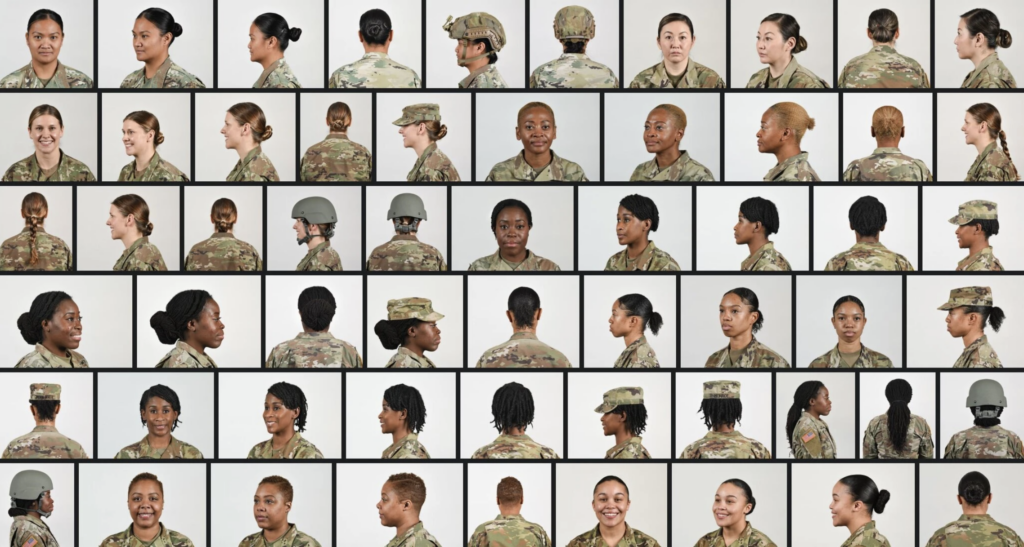 Image Source : msmagazine.com
 regulations forces regulated eases
Army Lifts Ban On Dreadlocks, And Black Servicewomen Rejoice - The New
 Image Source : www.nytimes.com
 regulations twist dreadlocks twists usmc haircuts marines loc servicewomen locs cornrows permits lifts rejoice revised laborales discriminación derechos
Public Affairs Regulation Army - Public
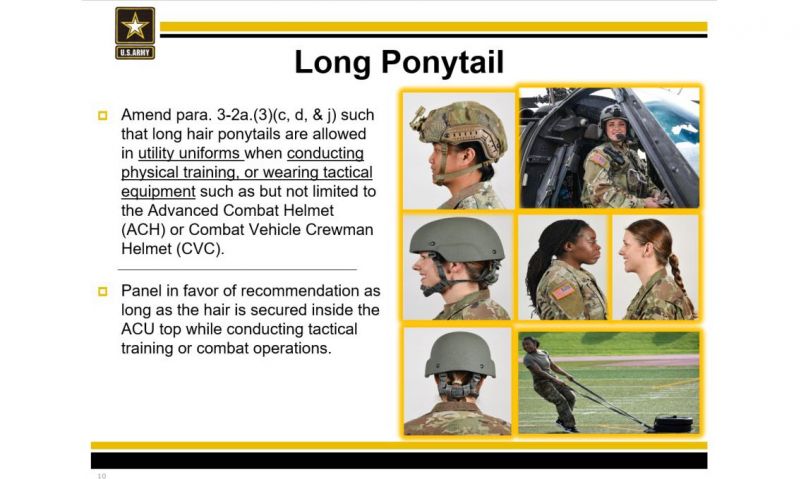 Image Source : public1234567.blogspot.com
 Ponytail Scrub Caps Navy Lava Flowers - Large / Navy | Scrub Caps
 Image Source : www.pinterest.com
 PA Girls - Pouze Foto - Stránky 42 - Rozpad.cz
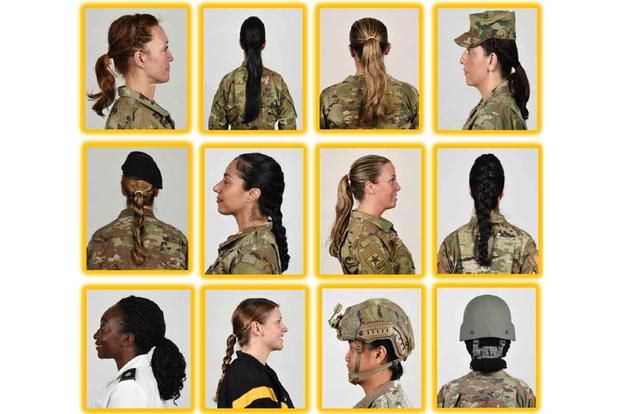 Image Source : www.rozpad.cz
 AR 670-1: The Army Is Allowing Women To Wear Ponytails In All Uniforms
 Image Source : taskandpurpose.com
 ponytail ponytails soldier soldiers uniform approved authorizes standards expanding npr taskandpurpose domi
How To Get The Navy's New Female Hair Regs Right, In 5 Photos
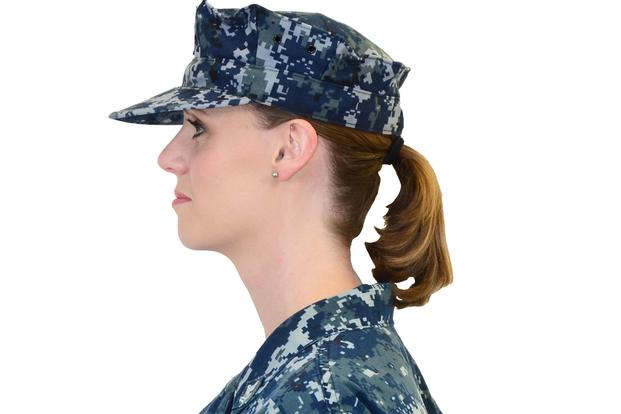 Image Source : www.military.com
 hair navy female military regs collar right ponytail braid inches extend lower edge below end mind braids
New Military Female Hair Regulation - Airman To Mom
 Image Source : www.airmantomom.com
 regulation
Pa girls. Army lifts ban on dreadlocks, and black servicewomen rejoice. Ponytail ponytails soldier soldiers uniform approved authorizes standards expanding npr taskandpurpose domi. Hair navy female military regs collar right ponytail braid inches extend lower edge below end mind braids. Ar 670-1: the army is allowing women to wear ponytails in all uniforms