Rule 504 Of Regulation D : What it is
Rule 504 of Regulation D: What It Is
Rule 504 of Regulation D is an exemption provided by the Securities and Exchange Commission (SEC) that allows companies to raise capital through the sale of securities without having to register with the SEC. This rule provides a streamlined process for companies seeking to raise funds while ensuring the protection of investors. In this article, we will explore the key aspects of Rule 504 and its implications for both companies and investors.
How Rule 504 Works
Under Rule 504, a company can offer and sell up to $5 million of securities in a 12-month period. This exemption is available for both public and private companies and is particularly suitable for smaller businesses that need to raise capital but may not have the resources to comply with the more extensive regulatory requirements of other offerings.

Companies utilizing Rule 504 can sell their securities to an unlimited number of investors, including both accredited and non-accredited investors. However, if the company offers its securities to non-accredited investors, it must provide them with certain specified disclosures regarding the investment.
Benefits of Rule 504
There are several advantages associated with utilizing Rule 504 for capital raising:
- Simplified Compliance: Compared to other offering exemptions, Rule 504 imposes fewer regulatory requirements, making it an attractive option for smaller companies with limited resources. By availing of this exemption, companies can raise funds more efficiently and with reduced costs.
- Access to a Broader Investor Base: Rule 504 allows both accredited and non-accredited investors to participate in the offering. This provides companies with the opportunity to tap into a larger pool of potential investors and gain access to a diverse range of capital sources.
- Faster Fundraising Process: Since Rule 504 does not require SEC registration, companies can enjoy a faster fundraising process. This exemption enables companies to respond swiftly to market opportunities or address urgent capital needs, without the delays typically associated with lengthy registration procedures.
Common Questions About Rule 504
In this section, we address some frequently asked questions regarding Rule 504:
1. Who is eligible to utilize Rule 504?
Rule 504 is available to both public and private companies, allowing a wide range of entities to make use of this exemption. However, it is particularly suitable for smaller companies seeking to raise capital without the burden of extensive regulatory compliance.
2. What is the maximum amount that can be raised under Rule 504?
Companies can raise up to $5 million in a 12-month period using Rule 504. This maximum limit ensures that smaller companies can access an adequate amount of capital without the need for full-scale registration.

3. Are there any specific disclosures required for non-accredited investors?
Yes, if a company offers its securities to non-accredited investors, it must provide them with certain disclosures to ensure they have access to relevant information about the investment. These disclosures typically include financial statements, business plans, and details about the company's operations.
Conclusion
Rule 504 of Regulation D provides an exemption that allows companies to raise capital efficiently and with reduced regulatory requirements. This offering exemption is particularly suitable for smaller companies seeking to access funds without the burden of full-scale registration. By availing of Rule 504, companies can tap into a broader investor base, streamline the fundraising process, and raise capital more quickly. However, it is essential to ensure compliance with the specific requirements of Rule 504 to fully utilize its benefits and protect the interests of both companies and investors.
Frequently Asked Questions (FAQ)
Q: Can companies raise funds from both accredited and non-accredited investors under Rule 504?
A: Yes, Rule 504 allows companies to raise funds from both accredited and non-accredited investors, providing access to a broader investor base.
Q: Are there any limits on the number of investors a company can sell securities to under Rule 504?
A: No, Rule 504 does not impose any limits on the number of investors a company can sell securities to.
Q: What are the advantages of utilizing Rule 504 for capital raising?
A: Rule 504 offers simplified compliance requirements, access to a broader investor base, and a faster fundraising process compared to other offering exemptions.
Q: Can companies utilize Rule 504 for multiple offerings within a 12-month period?
A: Yes, companies can utilize Rule 504 for multiple offerings within a 12-month period, as long as the total amount raised does not exceed $5 million.
Disclaimer: The information provided in this article is for educational purposes only and does not constitute legal or investment advice. Please consult with a qualified professional for personalized advice based on your specific circumstances.
Regulation D 504 Private Placement Memorandum
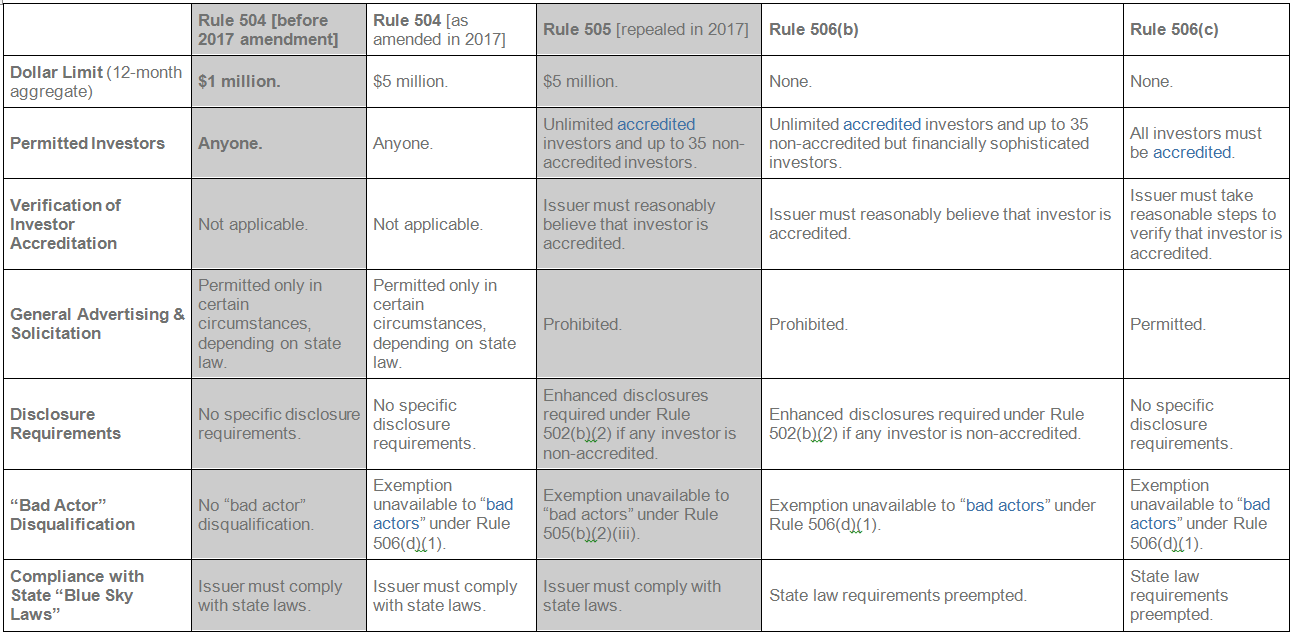 Image Source : www.prospectus.com
 regulation placement private memorandum rule reg
Fillable Online Rule 504 Regulation D Filing Instructions In
 Image Source : www.pdffiller.com
 Rule 504 – VA Business
 Image Source : www.venturea.com
 Rule 504 Offerings - Regulation D Attorneys
 Image Source : www.securitieslawyer101.com
 Regulation D Rule 504 Securities Offering Requirements And Disclosures
 Image Source : www.securitieslawyer101.com
 securities offering regulation disclosures
Rule 504 | Centarus
 Image Source : centarusps.net
 rule vertical team services
Regulation D Rule 504, Rule 506(b), Rule 506(c) Offering Exemptions
 Image Source : www.securitieslawyer101.com
 Rule 504 Of Reg D - The Former Heavyweight Syndication Champ
 Image Source : www.moschettilaw.com
 Regulation d 504 private placement memorandum. Rule 504 – va business. Rule 504 of reg d. Fillable online rule 504 regulation d filing instructions in. Regulation d rule 504, rule 506(b), rule 506(c) offering exemptions