Eu Pfas Regulation : What it is
EU PFAS Regulation: What It Is
The European Union (EU) has recently unveiled a groundbreaking regulation aimed at addressing the growing concerns surrounding Per- and Polyfluoroalkyl Substances (PFASs). These synthetic chemicals, widely used in a variety of consumer products, have come under scrutiny due to their harmful effects on human health and the environment. The new EU PFAS regulation represents a significant step towards curbing the use and spread of these substances, ensuring a safer and more sustainable future.
The Scope of the EU PFAS Regulation
The EU PFAS regulation covers an extensive range of PFAS substances, aiming to restrict their production, use, and placement on the market. With approximately 10,000 different PFAS compounds identified, it has become necessary to establish regulations that address the risks associated with such a diverse group of substances.
Impact on Industries and Applications
1. Threat to PVDF Membranes

Potential challenges lie ahead for industries heavily reliant on Polyvinylidene Fluoride (PVDF) membranes. These membranes, commonly used in water treatment processes, may be directly impacted by the new EU PFAS regulation. PVDF membranes are known to contain trace amounts of PFAS compounds, which could lead to compliance issues once the regulation goes into effect.
2. Disruption of Consumer Product Supply Chains

The EU PFAS regulation also casts a shadow of uncertainty over the production and distribution of various consumer products. Manufacturers in sectors such as textiles, food packaging, and electronics may be required to reformulate their products to meet the new regulatory standards. This could result in disruptions within supply chains and potential challenges for businesses trying to adapt.
3. Opportunities for Sustainable Alternatives
Despite the challenges posed by the EU PFAS regulation, it also presents an opportunity to accelerate innovation and drive the adoption of sustainable alternatives. Companies that specialize in developing PFAS-free materials and technologies could see a surge in demand as industries seek compliant alternatives. This shift towards sustainability can lead to improved health and environmental outcomes in the long run.
FAQ Section
Q: What are PFASs?
A: Per- and Polyfluoroalkyl Substances (PFASs) are a group of synthetic chemicals widely used in various industrial and consumer applications. They are characterized by their highly stable carbon-fluorine bonds, which make them resistant to degradation and persistent in the environment.
Q: Why are PFASs a cause for concern?
A: PFASs have been associated with a range of adverse health effects, including developmental and reproductive disorders, liver damage, and an increased risk of certain cancers. These compounds can accumulate in the environment and bioaccumulate in living organisms, posing long-term risks to ecosystems and human health.
Q: How will the new EU PFAS regulation protect the environment?
A: The EU PFAS regulation aims to restrict the production, use, and placement on the market of PFAS substances. By implementing stricter controls and monitoring, the regulation intends to limit the release of PFASs into the environment, reducing their impact on ecosystems and safeguarding biodiversity.
Q: How will the new regulation impact consumers?
A: The new regulation may lead to changes in the formulations of various consumer products to comply with the restrictions on PFAS use. This could result in safer and healthier products for consumers, while also driving innovation in the industry towards PFAS-free alternatives.
In conclusion, the EU PFAS regulation represents a significant step towards addressing the risks associated with PFASs and ensuring a safer future for both the environment and consumers. While it poses challenges for industries and supply chains, it also presents an opportunity for innovation and the adoption of sustainable alternatives. By taking action today, the EU is leading the way in protecting the health of its citizens and the planet.
PFAS Regulations – Part 1: Existing Rules
.jpg?sfvrsn=ad0b7e6e_2) Image Source : www.trihydro.com
Image Source : www.trihydro.com pfas regulations regulation anticipated regulatory federal enforcement prepares
Per- Und Polyfluorierte Kohlenwasserstoffe - Wasser 3.0
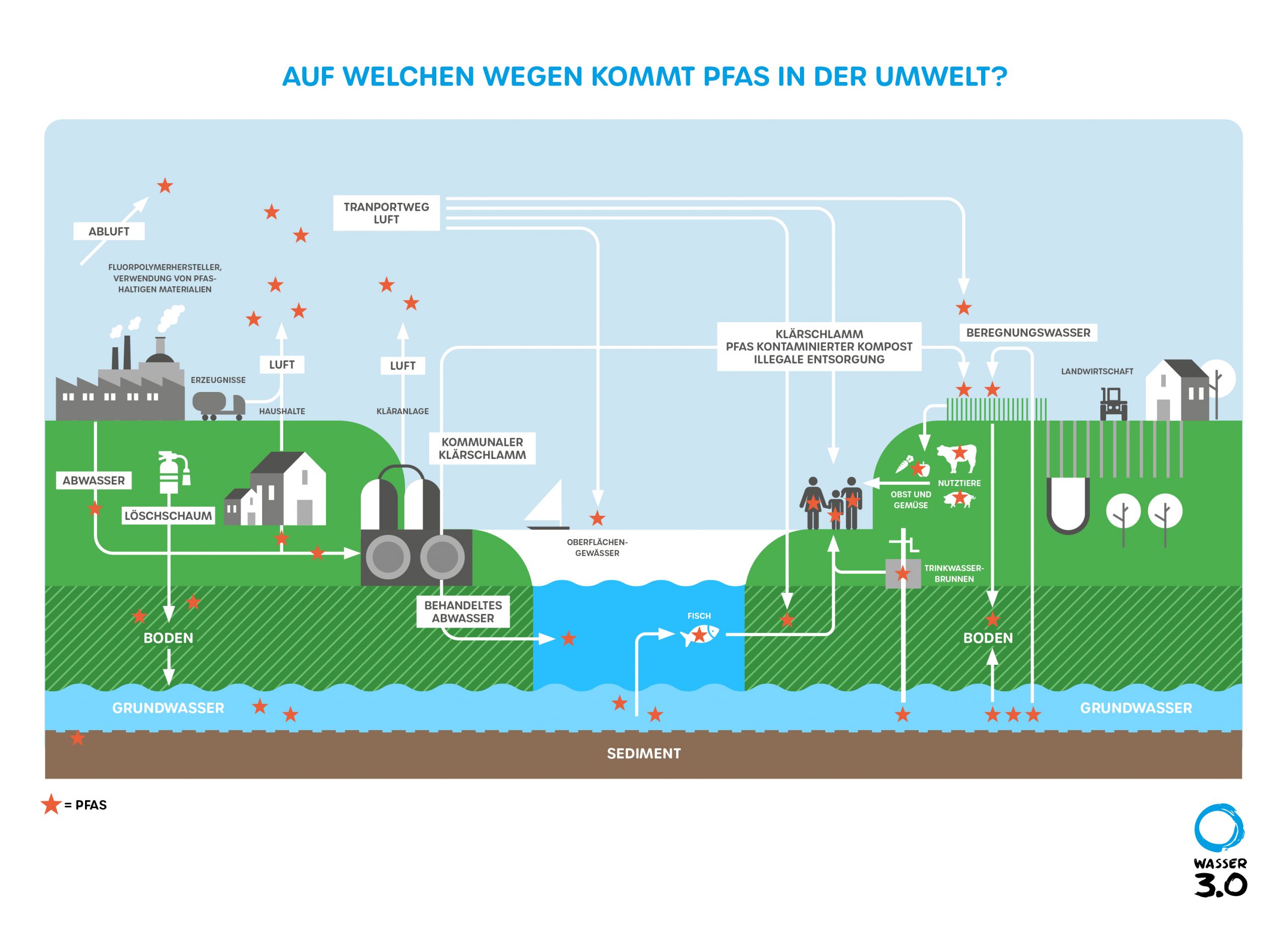 Image Source : wasserdreinull.de
 Europeans Aim To Phase Out Toxic PFAS Chemicals By 2030
 Image Source : theintercept.com
 pfas eu
Proposed EU PFAS Regulation Threatens PVDF Membranes - BlueTech Research
Image Source : www.bluetechresearch.com Vorschlag Für Ein EU-weites Verbot Von PFAS-Chemikalien In
 Image Source : ekotox.de
 EU Startete Verhandlungen über Verbot Von PFAS-Chemikalien - Politik
 Image Source : www.vienna.at
 Understanding The Evolving Regulation Of PFAS Sites And Sources
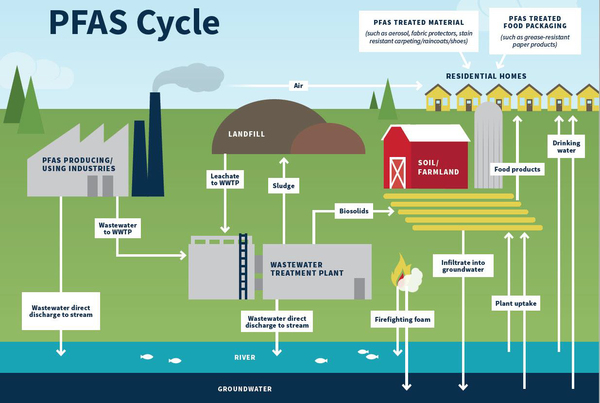 Image Source : www.maulfoster.com
 pfas sources environment regulation huron river presentation week next sites watershed council set contamination understanding evolving lakes michigan department energy
EU PFAS規制案を発表、約10,000種類のPFASsが販売禁止に直面?(2023年3月22日更新) | ChemLinked
Image Source : jp.chemlinked.com Proposed eu pfas regulation threatens pvdf membranes. Europeans aim to phase out toxic pfas chemicals by 2030. Per- und polyfluorierte kohlenwasserstoffe. Pfas regulations regulation anticipated regulatory federal enforcement prepares. Vorschlag für ein eu-weites verbot von pfas-chemikalien in