Price Regulation : What it is
Price Regulation: What it is and How it Affects Consumers Introduction: Price regulation plays a crucial role in various industries, aiming to control prices in order to protect consumers' interests. It is a regulatory mechanism implemented by governing bodies to ensure fair pricing practices within specific sectors. In this article, we will explore the principles of price regulation, its impact on consumers, and delve into the details of this crucial mechanism. 1. The Importance of Price Regulation: Price regulation serves as a fundamental tool to prevent monopolistic practices and maintain a competitive market environment. Its primary goal is to strike a balance between ensuring affordable prices for consumers and securing reasonable profits for businesses. Through price regulation, governments aim to safeguard consumers from price gouging, unfair practices, and market manipulation. By controlling prices, regulators strive to create a fair and transparent market, which ultimately benefits both businesses and consumers. 2. Understanding the Principles of Price Regulation: Price regulation adheres to several key principles to achieve its objectives effectively. Let's explore some of these principles: 2.1 Consumer Protection: The primary principle of price regulation centers around consumer protection. Regulators aim to prevent businesses from exploiting consumers by imposing excessive prices, thus ensuring that products and services remain accessible and affordable to all. 2.2 Fair Competition: Price regulation aims to maintain a level playing field for all market participants. By preventing anti-competitive practices such as price fixing, collusion, and abuse of market power, regulators strive to foster healthy competition among businesses, leading to innovation and better consumer outcomes. 2.3 Cost Recovery: Price regulation acknowledges that businesses should have a fair opportunity to recover their costs and earn a reasonable profit for their products or services. However, regulators determine the extent to which pricing can be increased, striking a balance between cost recovery and ensuring that prices remain affordable for consumers. 3. The Impact of Price Regulation on Consumers: Price regulation plays a significant role in protecting consumers' interests and ensuring affordability. Let's explore some of the key impacts of price regulation on consumers: 3.1 Ensuring Fair Pricing: Through price regulation, consumers are protected from price hikes that may arise due to monopolistic practices or market manipulations. Regulators set limits and monitor price increases to prevent businesses from exploiting consumers by charging exorbitant prices. 3.2 Accessible Essential Services: Price regulation becomes critical in sectors that provide essential services such as healthcare, telecommunications, and utilities. By controlling prices in these sectors, regulators ensure that these services remain accessible to all segments of society, regardless of their financial status. 3.3 Quality Control: Price regulation often goes hand in hand with quality control mechanisms. Regulators aim to ensure that businesses do not compromise on product or service quality in their pursuit of higher profits. By maintaining quality standards, price regulation enhances consumer trust and confidence in the market. 4. Unpacking the Price Regulation Process: The process of price regulation involves various stakeholders, each playing a crucial role in ensuring effective implementation. Let's explore these stakeholders: 4.1 Regulatory Bodies: Regulatory bodies are responsible for formulating and implementing price regulation policies. These entities monitor markets, analyze pricing trends, and set guidelines to maintain a fair market environment. They often collaborate with industry experts, consumer advocacy groups, and governmental agencies to make informed decisions. 4.2 Businesses and Service Providers: Businesses and service providers are subject to price regulation guidelines and policies. They are required to adhere to pricing structures set by the regulatory bodies and ensure compliance with regulations. These entities actively engage with regulatory authorities, providing data and insights to inform the decision-making process. 4.3 Consumer Advocacy Groups: Consumer advocacy groups play a significant role in representing consumer interests during price regulation discussions. They provide valuable input, highlight consumer concerns, and collaborate with regulatory bodies to ensure that pricing policies align with consumer expectations. 5. Frequently Asked Questions (FAQs): 5.1. What happens if a business violates price regulation guidelines? In case of violation, businesses may face penalties and fines imposed by regulatory bodies. They may also be required to rectify the pricing discrepancy and reimburse affected consumers. 5.2. How do regulators decide on the appropriate prices? Regulators analyze market conditions, conduct cost-benefit analyses, and evaluate consumer affordability to determine appropriate pricing structures. They also consider inputs from businesses and consumer advocacy groups to ensure a balanced decision-making process. 5.3. Can price regulation hinder innovation? Price regulation aims to strike a balance between affordable prices and viable business operations. While it may impose certain restrictions, regulators often take measures to foster innovation and encourage businesses to improve efficiency and reduce costs without compromising quality. Conclusion: Price regulation is a vital tool utilized by regulatory bodies to protect consumers from unfair pricing practices. By implementing principles such as consumer protection, fair competition, and cost recovery, regulators ensure affordability and accessibility of products and services. Understanding the impact of price regulation on consumers empowers individuals to make informed choices while promoting a fair and transparent market environment.  Image Source : www.slideserve.com
 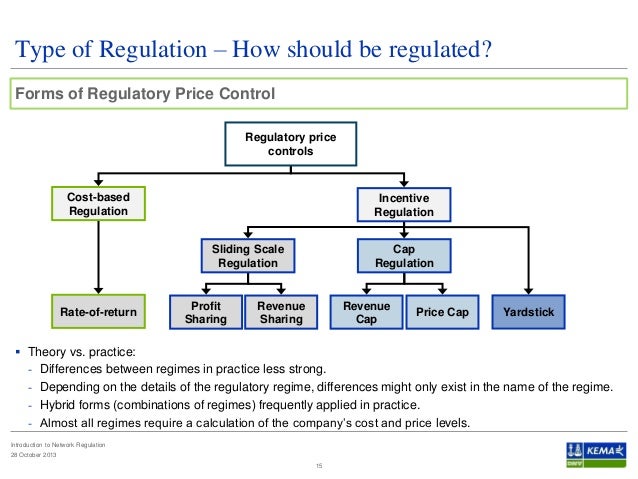 Image Source : www.slideshare.net
  Image Source : amir-economy.blogspot.com
 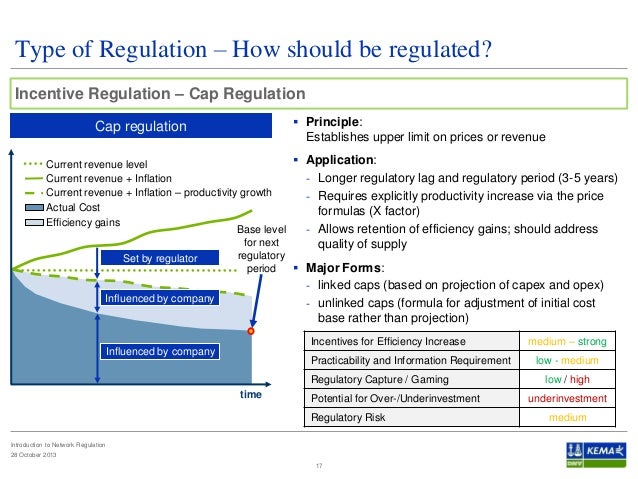 Image Source : www.slideshare.net
  Image Source : timesofindia.indiatimes.com
  Image Source : trigga.co.za
  Image Source : depositphotos.com
 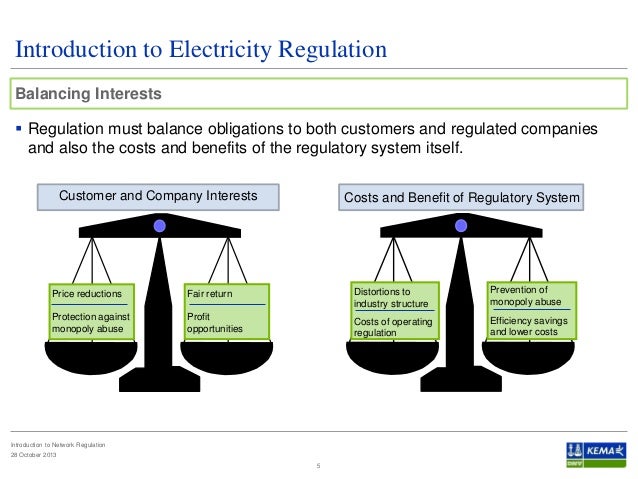 Image Source : www.slideshare.net
PPT - Theory Of Price Regulation PowerPoint Presentation, Free Download
Image Source : www.slideserve.com regulation price theory ppt powerpoint presentation
Principles Of Price Regulation
Image Source : www.slideshare.net regulation principles
Price Regulation ~ Economics
Image Source : amir-economy.blogspot.com price regulation economics amir
Principles Of Price Regulation
Image Source : www.slideshare.net principles
Health Ministry Against Task Force Proposal To Hike Prices Of Vital
Image Source : timesofindia.indiatimes.com prices proposal regulation price drug cardiac diabetes drugs medicines vital hike ministry task force against health existing govt spike result
Price Regulation In Times Of Crisis Can Be Tricky - Trigga
Image Source : trigga.co.za regulation tricky crisis times price trigga
Drug Price Regulation Concept — Stock Photo © Premium_shots #153958830
Image Source : depositphotos.com Principles Of Price Regulation
Image Source : www.slideshare.net Regulation tricky crisis times price trigga. Principles of price regulation. Prices proposal regulation price drug cardiac diabetes drugs medicines vital hike ministry task force against health existing govt spike result. Health ministry against task force proposal to hike prices of vital. Price regulation in times of crisis can be tricky