Lupus And Body Temperature Regulation
Lupus And Body Temperature Regulation
Lupus, also known as systemic lupus erythematosus (SLE), is a chronic autoimmune disease that can affect various parts of the body, including the skin, joints, kidneys, heart, lungs, brain, and blood cells. One of the many challenges that individuals with lupus face is the disruption of body temperature regulation. In this article, we will explore how lupus can impact body temperature regulation and discuss some strategies to manage this issue.
The Role of the Hypothalamus in Temperature Regulation
The hypothalamus, a small but mighty structure located in the brain, plays a crucial role in regulating body temperature. It acts as the body's thermostat, constantly monitoring the temperature and making adjustments to maintain homeostasis. When the body temperature rises, the hypothalamus triggers mechanisms to cool down, such as increasing blood flow to the skin and activating sweat glands. On the other hand, when the body temperature drops, the hypothalamus initiates mechanisms to warm up, such as constricting blood vessels and inducing shivering.

Image Source: Athletic Healthcare
Impact of Lupus on Temperature Regulation
In individuals with lupus, the autoimmune response mistakenly attacks healthy tissues and organs, including the hypothalamus. This can disrupt the normal functioning of the hypothalamus and lead to irregularities in body temperature regulation. Some individuals with lupus may experience persistent low-grade fevers or fluctuations in body temperature throughout the day.
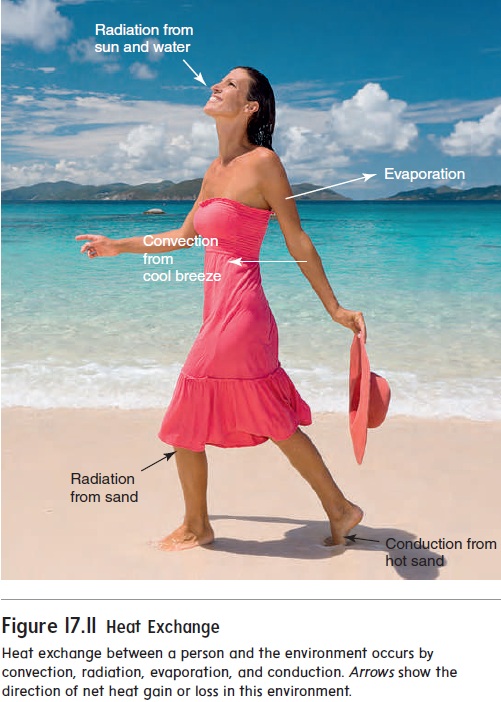
Image Source: Brainkart
Managing Body Temperature in Individuals with Lupus
While it may be challenging to completely control the body temperature fluctuations caused by lupus, there are strategies that can help individuals manage this issue more effectively:
Stay Hydrated:

Proper hydration is essential for maintaining a stable body temperature. Drink an adequate amount of water throughout the day to stay hydrated.
Dress Appropriately:

Wear layered clothing that can be easily adjusted based on your body temperature. This allows you to add or remove layers as needed to stay comfortable.
Keep a Temperature Log:

Maintain a record of your body temperature throughout the day. This can help you identify patterns and triggers that affect your temperature regulation.
FAQs
Q: Can lupus cause a fever?
A: Yes, lupus can cause persistent low-grade fevers. These fevers are often a result of the body's immune response and inflammation.
Q: Are there any medications that can help regulate body temperature in individuals with lupus?
A: Some medications used to treat lupus, such as corticosteroids, can help reduce inflammation and, in turn, address temperature fluctuations. It is crucial to consult with a healthcare professional to determine the most appropriate treatment options for your specific case.
Q: Is there a specific diet that can aid in managing body temperature regulation in lupus?
A: While there is no specific diet to regulate body temperature in lupus, maintaining a well-balanced diet rich in fruits, vegetables, and lean proteins can support overall health and potentially alleviate symptoms.
In conclusion, individuals with lupus may face challenges in regulating their body temperature due to the autoimmune response affecting the hypothalamus. Although complete control may not be possible, staying hydrated, dressing appropriately, and keeping a temperature log can help manage temperature fluctuations. It is essential for individuals with lupus to work closely with healthcare professionals to find personalized strategies to manage this aspect of their condition.
Body Temperature Regulation
Image Source : www.brainkart.com Body Temperature Regulation, Temperature Regulation By Hypothalamus B
Image Source : athletic.healthcare Body Temperature Regulation RGB Color Icon Stock Vector Image & Art - Alamy
 Image Source : www.alamy.com
What To Do If I Have Problems With Body Temperature Regulation
 Image Source : www.medguidance.com
Temperature Regulation Of The Human Body | Physiology | Biology
 Image Source : esoulent.blogspot.com
Temperature Regulation In Animals - Biology Online Tutorial
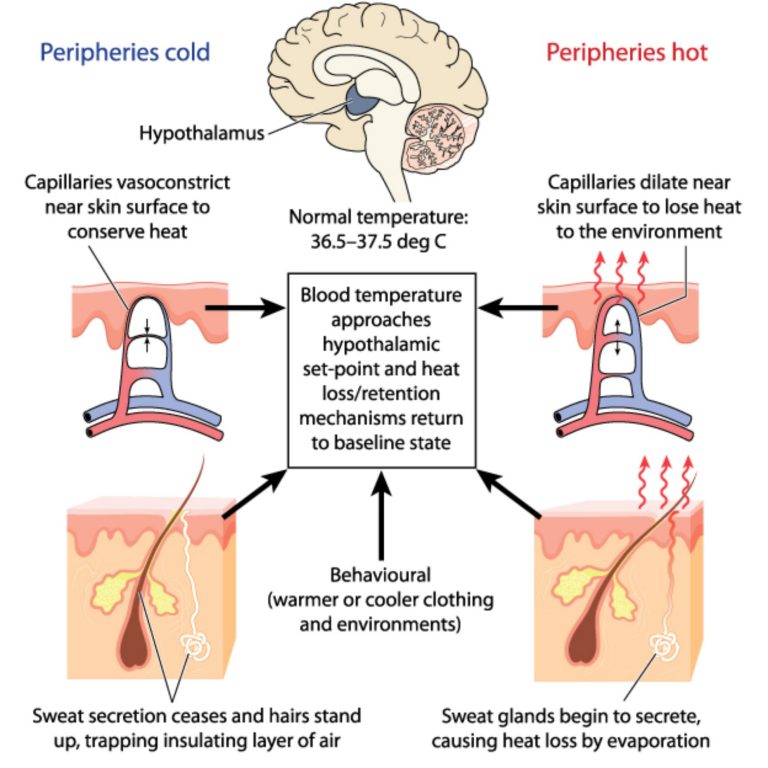 Image Source : www.biologyonline.com
temperature regulation hypothalamus controle capillaries dilation corporelle controllo corporea constriction température lichaamstemperatuur reproductive causing adaptation gland physiology biology capillary
Neural Control Of Body Temperature - Mapametawan
 Image Source : mapametawan.blogspot.com
Regulation Of Body Temperature - MEDizzy
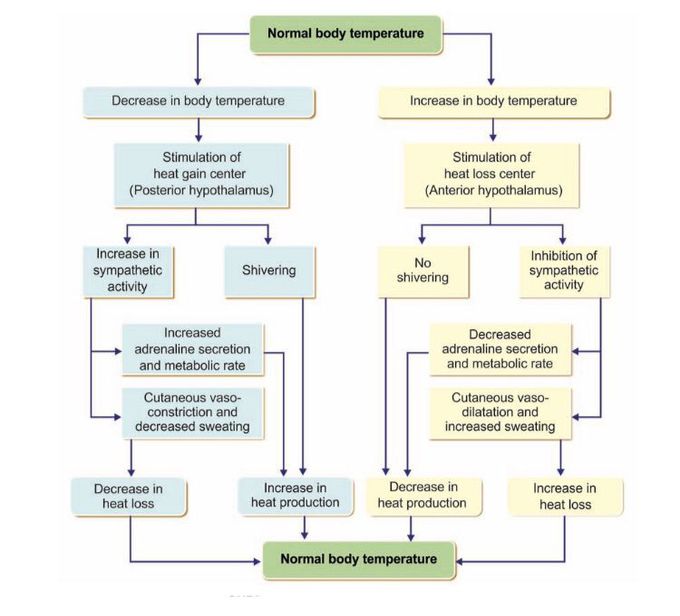 Image Source : medizzy.com
Body temperature regulation. What to do if i have problems with body temperature regulation. Body temperature regulation rgb color icon stock vector image & art. Temperature regulation in animals. Temperature regulation of the human body