Up Regulation Vs Down Regulation
Up-regulation and down-regulation play crucial roles in physiological processes, particularly in the field of pharmacodynamics. Understanding these mechanisms is vital for comprehending the intricate regulatory systems of the human body. In this article, we will delve into the differences between up-regulation and down-regulation, their significance, and their impact on drug response. So, let's explore!
Up-Regulation: Enhancing Cellular Responsiveness

Up-regulation is a phenomenon through which cells increase the expression or number of receptors on their surface. This process enhances cellular responsiveness to various signaling molecules and drugs. It is like turning up the volume on a stereo system to make it more sensitive to sound signals. Up-regulation can occur due to various physiological and pathological stimuli.
One of the most common examples of up-regulation is the increased expression of beta-adrenergic receptors on target cells in heart failure. This leads to an improved response to beta-agonist drugs.
Down-Regulation: Decreasing Cellular Responsiveness

In contrast to up-regulation, down-regulation involves a decrease in the number or expression of receptors on cell surfaces. This process reduces cellular responsiveness to specific signaling molecules or drugs. It can be thought of as reducing the sensitivity of a stereo system to certain frequencies by adjusting the equalizer settings.
Down-regulation may occur to prevent excessive cellular stimulation or in response to chronic exposure to certain drugs. It is commonly observed in cases of opioid tolerance, where extended use of opioids leads to a diminished response, requiring higher doses to elicit the desired effect.
Up-Regulation vs. Down-Regulation: Similarities and Differences
While up-regulation and down-regulation have opposite effects on cellular responsiveness, they share some common characteristics. Both processes involve alterations in receptor expression and are part of the body's adaptive mechanisms. However, there are significant differences between the two:
1. Direction of Cellular Responsiveness
Up-regulation amplifies cellular responsiveness, whereas down-regulation dampens cellular responsiveness. The former increases the sensitivity to signaling molecules or drugs, while the latter reduces it.
2. Triggering Factors
Up-regulation can occur in response to various stimuli such as hormonal imbalances, drug exposure, or disease states. On the other hand, down-regulation is usually triggered by chronic exposure to signaling molecules or drugs.
3. Mechanisms
The mechanisms underlying up-regulation and down-regulation can differ. Up-regulation may involve increased gene transcription, enhanced translation, or decreased receptor degradation. Down-regulation, on the other hand, often results from receptor internalization, increased degradation, or altered recycling.
Frequently Asked Questions (FAQ)
Q: How do up-regulation and down-regulation affect drug response?
A: Up-regulation can increase the efficacy of certain drugs by enhancing cellular responsiveness. In contrast, down-regulation can result in decreased drug effectiveness, requiring higher doses for the same effect.
Q: Are up-regulation and down-regulation reversible processes?
A: Yes, both up-regulation and down-regulation can be reversible. Once the triggering factors are removed, cells can gradually restore receptor expression to their normal levels.
Q: Can up-regulation and down-regulation occur simultaneously?
A: Yes, it is possible for cells to exhibit both up-regulation and down-regulation simultaneously. Different types of receptors may respond differently to the same stimulus.
In conclusion, up-regulation and down-regulation are essential concepts in pharmacodynamics. Understanding these mechanisms helps us comprehend how cells adapt and respond to various signaling molecules and drugs. While up-regulation enhances cellular responsiveness, down-regulation decreases it. By unraveling the intricacies of these processes, researchers and healthcare professionals can develop more effective therapeutic strategies and optimize drug responses.
Receptor Transducer Mechanisms - YouTube
Image Source : www.youtube.com upregulation downregulation receptor receptors
Endocrine System Parta
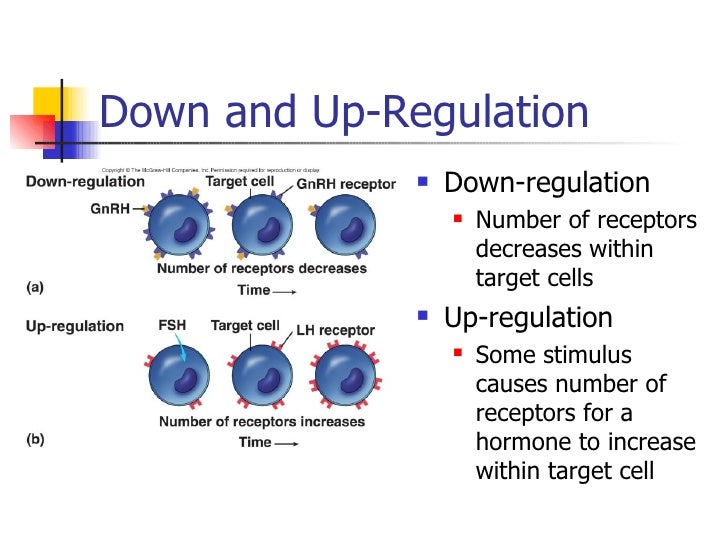 Image Source : www.slideshare.net
 endocrine regulation receptors parta
2. General Mechanisms Of The Endocrine Regulation • Functions Of Cells
 Image Source : fblt.cz
 insulino resistenza regulation insulina mechanisms eserciziperdimagrire endocrine
Mechanisms Of Hormonal Regulation | Basicmedical Key
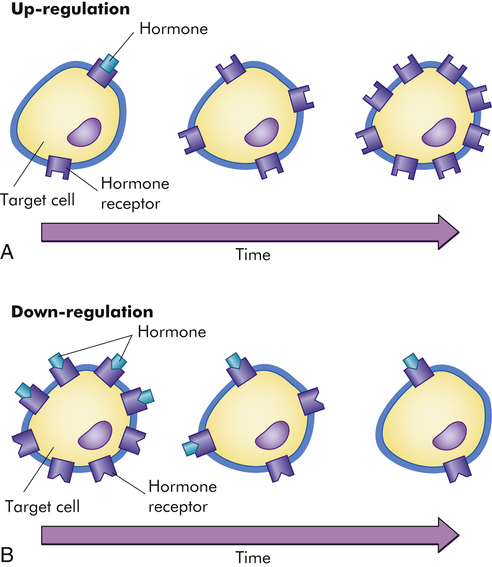 Image Source : basicmedicalkey.com
 regulation hormonal target hormone mechanisms cell sensitivity figure
Farmacodinámica: Regulación Ascendente Y Descendente Y Más | Wzrost
Image Source : wzrost.net Target Cell Receptor Downregulation And Upregulation Hormone PNG
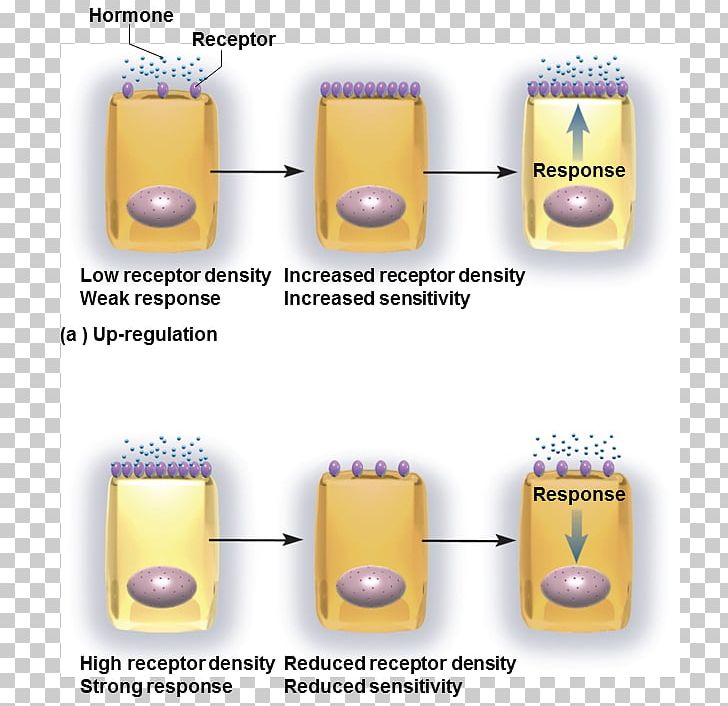 Image Source : imgbin.com
 Receptor Down Regulation
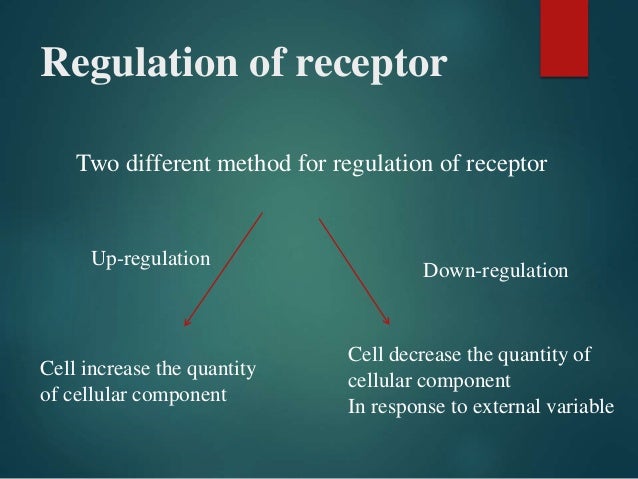 Image Source : www.slideshare.net
 regulation receptor
Receptors: Methods Of Studying Receptors, Number Of Receptors Per Cell
 Image Source : www.pinterest.com
 receptor regulation receptors down cell number biochemistry studying methods per pharmacology choose board hubpages
Farmacodinámica: regulación ascendente y descendente y más. Receptor transducer mechanisms. Regulation hormonal target hormone mechanisms cell sensitivity figure. 2. general mechanisms of the endocrine regulation • functions of cells. Endocrine system parta