Unit 6 Gene Expression And Regulation
Unit 6: Gene Expression and Regulation
Welcome to our comprehensive guide on Unit 6: Gene Expression and Regulation in the field of Biology. In this unit, we will explore the fascinating world of how genes are expressed and regulated within organisms. Understanding this process is crucial to deciphering the complexities of life and unlocking the secrets of genetic information. Join us on this exploration as we dive into the various aspects of gene expression and regulation.
Gene Expression and Regulation: The Basics

Gene expression is the process by which information from a gene is used in the synthesis of a functional gene product. This can be in the form of proteins or functional RNA molecules. Gene regulation, on the other hand, refers to the mechanisms that control the level and timing of gene expression. Understanding these fundamental concepts is essential to comprehend the intricacies of genetic processes within living organisms.
Transcription and Translation: Unlocking the Code
Transcription is the first step in gene expression, where information from DNA is transcribed into RNA molecules. This process takes place in the nucleus of eukaryotic cells and is a crucial step in regulating gene expression. Following transcription, the RNA molecules are then translated into proteins through a process called translation. This step occurs in the cytoplasm and is vital for protein synthesis. Understanding the mechanisms of transcription and translation is paramount in unraveling the mysteries of gene expression and regulation.
Regulatory Factors: Influencing Gene Expression
Gene expression can be regulated through a multitude of factors that control the initiation and rate of transcription. These regulatory factors include transcription factors, DNA methylation, histone modification, and epigenetic regulation. Unraveling the role of these factors provides insights into the complex networks that drive gene expression and regulation.
Frequently Asked Questions (FAQ)
1. What is the significance of gene expression and regulation?
Gene expression and regulation play a vital role in determining an organism's traits, ensuring proper development, and responding to environmental cues. The precise control of gene expression is essential for the normal functioning of cells and overall organismal health.
2. How do transcription and translation contribute to gene expression?
Transcription converts the information stored in DNA into RNA, which is then translated into proteins. This process determines the type and amount of proteins produced, thereby regulating gene expression. Transcription and translation are intricately linked processes crucial for protein synthesis and gene regulation.
3. How do regulatory factors influence gene expression?
Regulatory factors, such as transcription factors and epigenetic modifications, can either enhance or inhibit gene expression. By binding to specific regions of DNA or modifying the structure of chromatin, these factors control the accessibility of genes for transcription. This fine-tuning ensures precise control over gene expression patterns.
- 4. Can gene expression be manipulated?
Yes, gene expression can be artificially manipulated through techniques like genetic engineering and gene therapy. These approaches allow scientists to introduce, modify, or suppress specific genes, opening up possibilities for medical treatments and advancements in various fields.
5. How does gene expression impact disease development?
Altered gene expression can contribute to the development of various diseases, including cancer and genetic disorders. Dysregulation of gene expression can lead to uncontrolled cell growth, malfunctioning proteins, or impaired developmental processes. By understanding the underlying mechanisms of gene expression and regulation, scientists can devise targeted therapeutic interventions.
With our Unit 6 guide on Gene Expression and Regulation, we hope to provide you with a comprehensive understanding of these intricate biological processes. By exploring the basics, transcription and translation, regulatory factors, and addressing common questions, we aim to equip you with the necessary knowledge to unravel the mysteries of genetic information and its impact on life. Happy learning!
AP® Biology Unit 6 Gene Expression & Regulation Teacher Slides Powerpoint
 Image Source : www.teacherspayteachers.com
 AP® Biology Unit 6 Gene Expression & Regulation Activities & Resources
 Image Source : www.teachonamission.com
 AP Biology Unit 6 Gene Expression & Regulation Content And Note Takers
 Image Source : www.teacherspayteachers.com
 AP BIOLOGY UNIT TEST L Unit 6. Gene Expression & Regulation EDITABLE
Image Source : www.teacherspayteachers.com AP Bio Unit 6: Gene Expression And Regulation Cheat Sheet By
 Image Source : www.pinterest.com
 AP Biology Unit 6 - Gene Expression & Regulation - Distance Ready - No Prep
 Image Source : www.teacherspayteachers.com
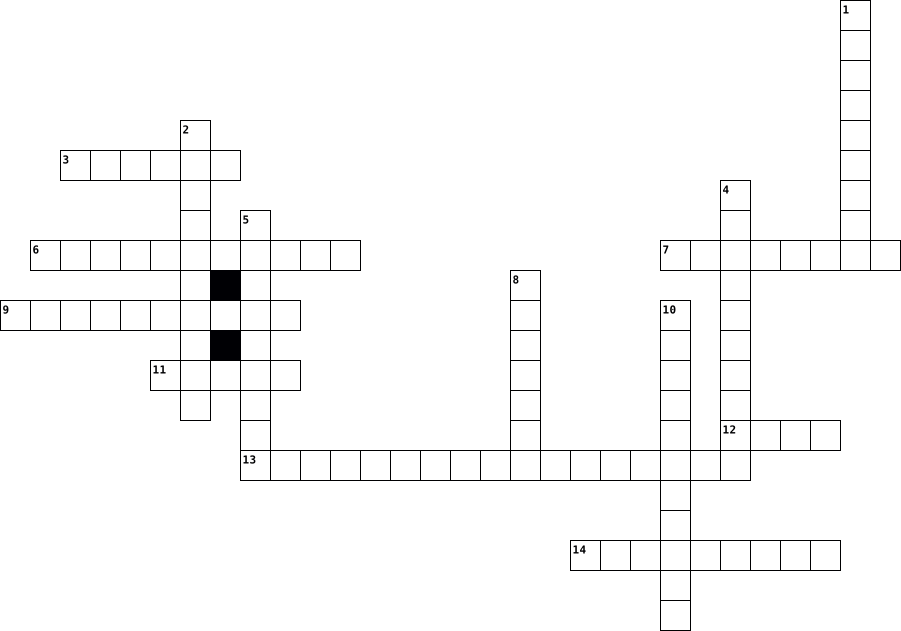
 Unit 6: Gene Expression And Regulation - Crossword Labs
Image Source : crosswordlabs.com AP Biology Unit 6 - Gene Expression & Regulation - Distance Ready - No Prep
 Image Source : www.teacherspayteachers.com
 Ap biology unit 6. Ap bio unit 6: gene expression and regulation cheat sheet by. Ap biology unit test l unit 6. gene expression & regulation editable. Ap® biology unit 6 gene expression & regulation activities & resources. Ap biology unit 6