Co Regulation In Adults : What it is
Co-Regulation in Adults: What It Is and How It Can Benefit You In the journey of navigating our emotions and mental well-being, co-regulation has emerged as a powerful tool for adults to support and enhance their overall emotional state. Co-regulation refers to the ability to manage and regulate our emotions with the help of others. It involves seeking support and connection to positively influence our mental and emotional well-being. In this article, we will explore the concept of co-regulation in adults, its benefits, and provide practical strategies to practice co-regulation in daily life. Co-Regulation Strategies for Maintaining Optimal Mental Well-Being 1. Building Emotional Connections One of the fundamental aspects of co-regulation is nurturing emotional connections with others. Such connections can be cultivated through meaningful conversations, active listening, and empathy. When we share our experiences and emotions with trusted individuals, we create a safe space for co-regulation. This helps us gain different perspectives and receive support during challenging times. 2. Prioritizing Self-Reflection Engaging in self-reflection is crucial for understanding our emotional needs and triggers. By developing self-awareness, we can recognize when we are experiencing emotional dysregulation and consciously seek out the support of others. Self-reflection can be practiced through journaling, mindfulness, or engaging in creative activities such as painting or writing. 3. Seeking Professional Support In some instances, co-regulation might require external guidance from mental health professionals. Therapy sessions or counseling can play a significant role in providing the necessary tools and strategies for co-regulation. These professionals can help individuals explore their emotions, develop coping mechanisms, and build a strong foundation for emotional well-being. The Benefits of Co-Regulation for Adults Co-regulation offers numerous benefits for adults seeking to enhance their mental well-being. Here are some key advantages: 1. Increased Emotional Resilience By actively engaging in co-regulation, individuals can develop emotional resilience, allowing them to navigate stressful situations more effectively. Co-regulation equips adults with the skills necessary to regulate their emotions, maintain a positive mindset, and effectively communicate their needs. 2. Strengthened Relationships Co-regulation fosters stronger bonds between individuals, allowing for deeper, more fulfilling relationships. By supporting one another through challenging emotional states, individuals can establish trust, empathy, and mutual understanding. This strong foundation enables them to provide valuable emotional support when needed. 3. Enhanced Problem-Solving Abilities Through co-regulation, individuals can tap into the wisdom and perspectives of others, expanding their problem-solving abilities. By sharing their challenges with trusted individuals, individuals open themselves up to new strategies, insights, and creative solutions. This collaborative approach often leads to more effective problem-solving and improved decision-making. FAQs about Co-Regulation in Adults Q: Is co-regulation only necessary during times of emotional distress? A: Co-regulation is beneficial in both challenging and positive emotional states. Sharing moments of joy, success, and happiness enhances connections and amplifies positive emotions. Q: Can co-regulation replace self-regulation? A: Co-regulation and self-regulation go hand in hand. While co-regulation provides external support, self-regulation involves individual efforts to manage emotions. Both are essential for overall emotional well-being. Q: How can I approach someone to co-regulate without burdening them? A: It's important to approach others with empathy and consider their boundaries. Make sure to ask if they have the emotional capacity to provide support and respect their decision if they decline. Q: Can co-regulation happen virtually? A: Yes, co-regulation can occur virtually through video calls, phone conversations, or messaging platforms. The support and connection provided remain significant in the digital realm. Conclusion Co-regulation is a powerful tool that can positively influence the mental and emotional well-being of adults. By actively seeking support and engaging in meaningful connections, individuals can enhance their emotional resilience, strengthen relationships, and improve problem-solving abilities. Prioritizing self-reflection and seeking professional support also contribute to a more balanced and fulfilling emotional state. Incorporate co-regulation strategies into your daily life and experience the transformative impact it can have on your mental well-being. Remember, co-regulation is not a sign of weakness or dependency but rather a testament to the strength of human connection. Together, we can navigate the complexities of our emotions and support one another towards a healthier, happier, and more fulfilled life.  Image Source : www.pinterest.com
 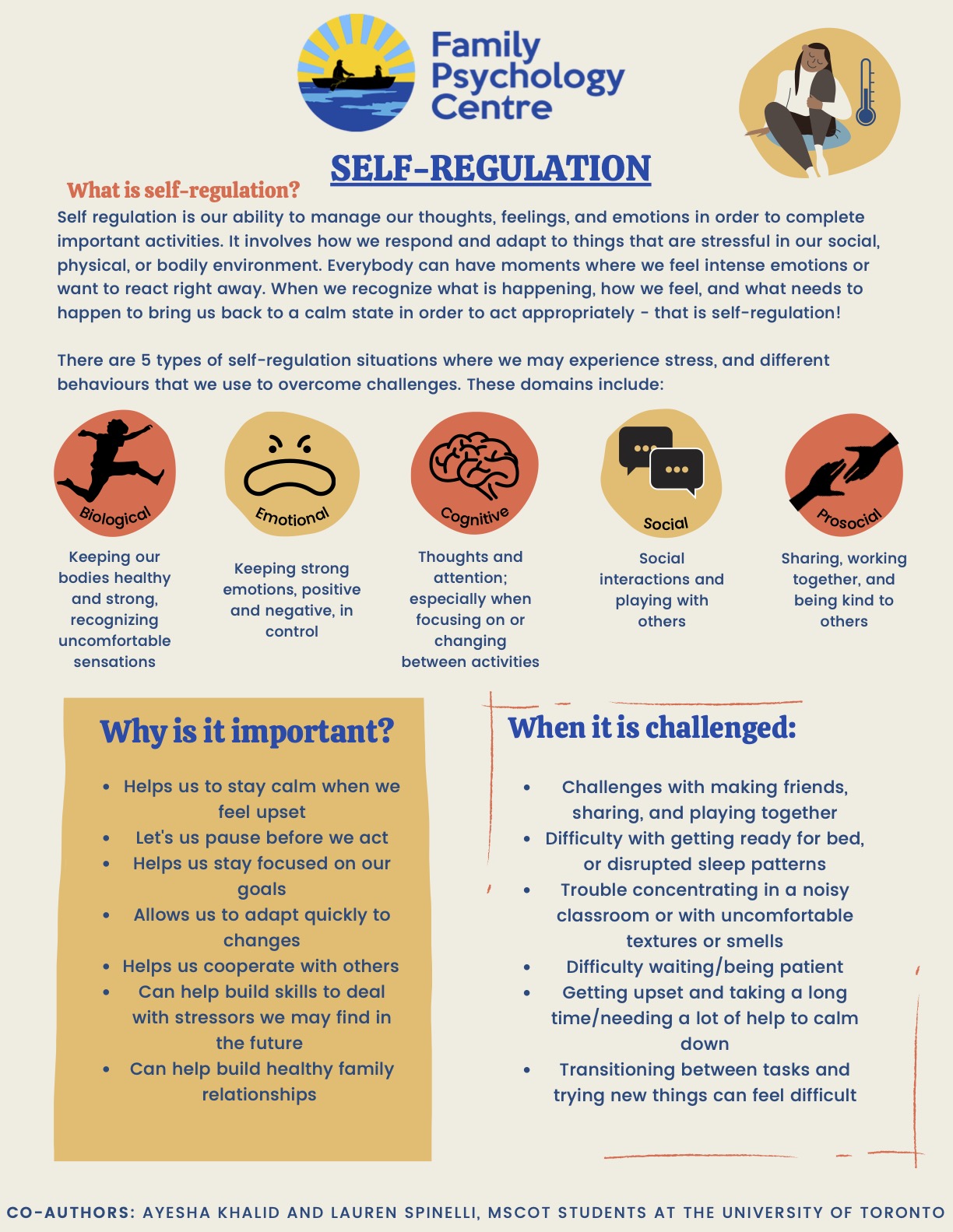 Image Source : familypsychology.org
  Image Source : self-reg.ca
  Image Source : www.pinterest.ca
  Image Source : www.pinterest.com
  Image Source : www.pinterest.co.uk
  Image Source : www.pinterest.com
  Image Source : www.pinterest.com
Pin On Individual Counseling
Image Source : www.pinterest.com Self Regulation: Strategies For Kids And Teens - Family Psychology
Image Source : familypsychology.org handout
Parenting TEST Page - Self-Reg
Image Source : self-reg.ca Pin By Bethany Hogan On Early Childhood Education | Early Childhood
Image Source : www.pinterest.ca Self-Regulation Counseling Group Ready To Regulate Self-Regulation
Image Source : www.pinterest.com zones regulate anger coping activity counselling counselor skills health mentoring ptsd teacherspayteachers
Equipping Our Kid's Emotional Toolbelt- Zones Of Regulation - Parenting
Image Source : www.pinterest.co.uk regulation zones emotional feelings chart child activities development skills self social school students check emotion emotions kids children therapy zone
Thespeechpractice On Instagram: “Co-regulation Is The Interaction Which
Image Source : www.pinterest.com regulation regulating provides attention
Pin On Mental Emotion Welbeing
Image Source : www.pinterest.com regulation coping regulated activities teenagers selfregulation adhd hes
Regulation regulating provides attention. Thespeechpractice on instagram: “co-regulation is the interaction which. Parenting test page. Zones regulate anger coping activity counselling counselor skills health mentoring ptsd teacherspayteachers. Pin on individual counseling