Army Regulation For Corrective Training
Are you familiar with Army Regulation For Corrective Training? If not, don't worry! In this post, we will walk you through the essentials of this regulation and the importance it holds in the Army Military. So, let's dive right in!
What is Corrective Training?
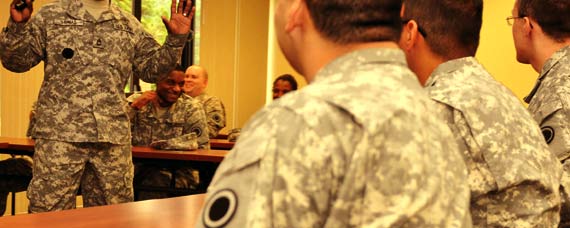
Corrective Training plays a pivotal role in the disciplinary system of the United States Army. It aims to correct behavior and adherence to standards by providing structured and supervised training to soldiers who have demonstrated substandard performance or misconduct. Such training serves as a means to rehabilitate soldiers and reinforce the values and principles of the Army.

Corrective training can take various forms, including physical exercises, drills, and additional duties. The type and duration of the training depend on the severity of the offense and the judgment of the commanding officer.
Understanding the Army Regulation for Corrective Training
The Army Regulation for Corrective Training, also known as AR 600-20, provides the guidelines and procedures for administering corrective training within the Army. This regulation ensures that corrective training is conducted in a fair and consistent manner, taking into account the due process rights of the soldiers involved.
Corrective training must always be focused on teaching, mentoring, and reinforcing positive behavior. It should not be used as a form of punishment or humiliation. AR 600-20 outlines the principles and techniques that leaders must employ while implementing corrective training programs.
The Importance of Corrective Training
Now that we have a basic understanding of corrective training let's explore why it is so important in the Army Military:
- Ensuring Discipline: Corrective training contributes to maintaining discipline and instilling military values. It reinforces the Army's standards and expectations, ensuring that soldiers adhere to them at all times.
- Individual Growth and Development: Corrective training isn't just about punishing soldiers for their mistakes; it is also a vehicle for personal growth and development. By identifying areas of improvement and providing targeted training, soldiers have the opportunity to enhance their skill sets and rectify their shortcomings.
- Unit Cohesion: Corrective training helps foster a sense of unity and cohesion within military units. It serves as a tool to address issues promptly, eliminate disruptive behavior, and maintain a harmonious environment for all soldiers.
The Listicle: Top Tips for Conducting Effective Corrective Training
To ensure that corrective training is carried out effectively, here are our top tips for leaders:
1. Establish Clear Objectives
Before implementing any corrective training program, clearly define the objectives. Identify the desired outcomes and ensure that they align with the Army's standards and values.
2. Tailor Training to Individual Needs
Recognize that each soldier is unique and has different strengths and weaknesses. Personalize the corrective training to address the specific areas where improvement is needed.
3. Provide Mentoring and Support
Corrective training should always be accompanied by mentorship and support. Engage in constructive dialogue with the soldiers undergoing training, offer guidance, and help them develop strategies to prevent further misconduct.
Frequently Asked Questions (FAQs)
Q1: Can corrective training be harmful or abusive?
A1: No, corrective training should never be harmful, degrading, or abusive. The goal of corrective training is to educate, mentor, and improve soldier performance while maintaining their dignity and respect.
Q2: Can soldiers refuse to participate in corrective training?
A2: Soldiers are expected to comply with legitimate corrective training orders. However, they have the right to submit a request for redress if they believe the training is unjust, excessive, or violates their rights.
Q3: Who can administer corrective training?
A3: Corrective training can be administered by any military leader in the direct chain of command, as authorized by AR 600-20. It is important for leaders to be well-versed in the regulations and guidelines before conducting corrective training.
So there you have it! A comprehensive guide to Army Regulation for Corrective Training. Remember, corrective training exists not only to correct mistakes but also to empower soldiers to become better individuals. By utilizing this regulation effectively, the Army strives to maintain discipline, foster personal growth, and build a cohesive military community.
As always, stay tuned for more informative posts related to the United States Army Military!
Q&a | AskTOP.net - Leader Development For Army Professionals
 Image Source : asktop.net
 corrective training army
Former Action Guy: Everyone Gets A Medal: Army Fail
 Image Source : mikemac356.blogspot.com
 army action corrective exercise repetitions former guy
47%割引ブラック系,L激安/新作 【90s Russian Army Prisoner Setup DS】#D セットアップ スーツブラック
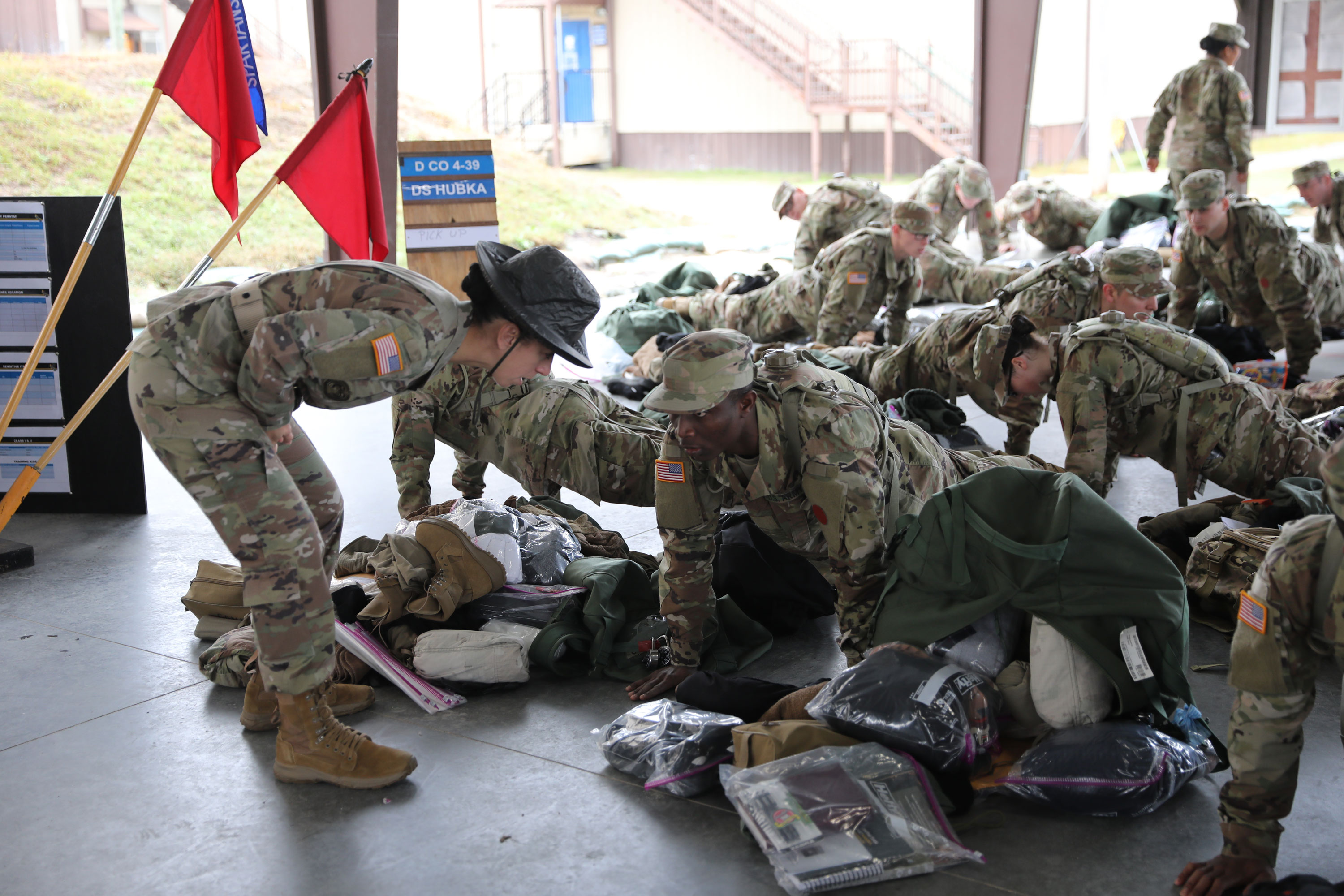 Image Source : ota.on.arena.ne.jp
 Corrective Training Army Regulation - Army Military
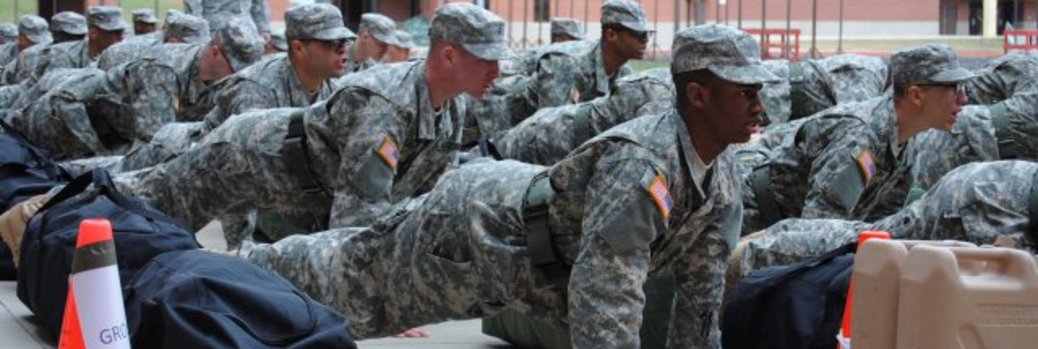 Image Source : armymilitary.net
 Corrective Action Army Regulation - Army Military
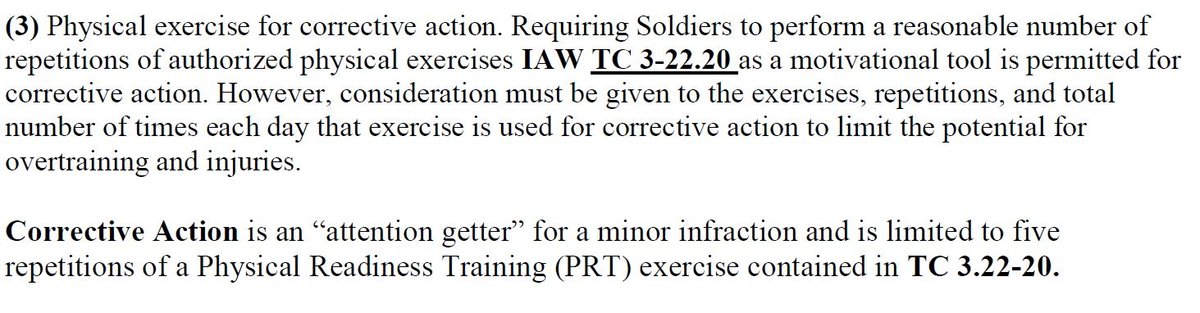 Image Source : armymilitary.net
 Corrective Action Army Regulation - Army Military
Image Source : armymilitary.net Army Asi Regulation - Army Military
Image Source : armymilitary.net Advice For New Soldiers Joining The Army: How To Make It Through Basic
 Image Source : learninginlife.hubpages.com
 Q&a. Army action corrective exercise repetitions former guy. Corrective action army regulation. 47%割引ブラック系,l激安/新作 【90s russian army prisoner setup ds】#d セットアップ スーツブラック. Corrective training army