An Important Structure For Blood Pressure Regulation Is The
An Important Structure for Blood Pressure Regulation: The Baroreceptor Reflex Blood pressure homeostasis is a vital mechanism that ensures our cardiovascular system functions optimally. One crucial structure responsible for regulating blood pressure is the baroreceptor reflex. This reflex is an essential component of our body's autonomic nervous system and plays a significant role in maintaining blood pressure within a healthy range. The baroreceptor reflex operates through a feedback mechanism that detects changes in blood pressure and triggers appropriate adjustments to maintain stability. It involves specialized sensory neurons called baroreceptors, which are located in certain blood vessels, primarily in the carotid sinus and aortic arch. These baroreceptors continuously monitor blood pressure, and any deviation from the set-point triggers corrective responses. Let's explore the intricacies of this remarkable mechanism and its importance in blood pressure regulation. 1. The Baroreceptor Reflex: An Overview The baroreceptor reflex is a negative feedback loop that acts as a regulatory mechanism for blood pressure. It functions by sensing changes in blood pressure and sending signals to the brain, which then orchestrates appropriate physiological responses. When blood pressure rises above the normal range, the baroreceptors detect the stretch and generate electrical signals. These signals are transmitted along nerve fibers to the brain, specifically to the medulla oblongata, which is a vital control center in the brainstem. 2. Baroreceptor Reflex Pathway The baroreceptor reflex pathway involves various components that work together seamlessly to regulate blood pressure. Let's delve into each step of the pathway and understand how these elements interact: 2.1. Baroreceptor Activation The first step in the baroreceptor reflex pathway is the activation of the baroreceptors. As blood pressure rises, it stretches the walls of the arteries containing these baroreceptors. This stretching stimulates the baroreceptors, causing them to generate electrical signals. 2.2. Neural Signals Transmission The electrical signals generated by the baroreceptors are transmitted through sensory nerve fibers, carrying the information to the medulla oblongata in the brainstem. This region serves as a central processing unit for the baroreceptor reflex. 2.3. Medulla Oblongata Processing In the medulla oblongata, the sensory signals from the baroreceptors are received and processed. The brainstem integrates the information with other inputs, such as those related to body position, physical activity, and emotional state. The brainstem then determines the appropriate response required to regulate blood pressure effectively. It sends signals to other parts of the body, coordinating the response. 2.4. Autonomic Nervous System Output Upon receiving signals from the medulla oblongata, the autonomic nervous system (ANS) produces the necessary physiological changes to bring blood pressure back to the desired range. The ANS has two main divisions involved in this process: the sympathetic nervous system and the parasympathetic nervous system. The sympathetic nervous system increases heart rate, constricts blood vessels, and stimulates the release of adrenaline. These actions result in increased cardiac output and vasoconstriction, which elevate blood pressure. Conversely, the parasympathetic nervous system decreases heart rate and promotes vasodilation, both of which help lower blood pressure. 3. Importance of the Baroreceptor Reflex The baroreceptor reflex is crucial for maintaining blood pressure homeostasis. Without this reflex, blood pressure would fluctuate uncontrollably, posing significant risks to our health. Here are several key reasons why the baroreceptor reflex is essential: 3.1. Blood Pressure Stabilization The primary function of the baroreceptor reflex is to stabilize blood pressure. By continuously monitoring blood pressure and making prompt adjustments, it ensures that it remains within an optimal range. This stability is vital for proper organ perfusion and overall cardiovascular health. 3.2. Response to Changing Conditions The baroreceptor reflex is equipped to adapt to changing conditions, such as variations in body position or physical activity. It adjusts blood pressure accordingly to meet the body's demands and maintain stable blood flow to vital organs. 3.3. Prevention of Blood Pressure Related Disorders Proper regulation of blood pressure prevents the development of various conditions associated with high or low blood pressure. Hypertension (high blood pressure) and hypotension (low blood pressure) can both have detrimental effects on organ function and increase the risk of cardiovascular diseases. FAQs Q1. How are baroreceptors different from chemoreceptors? A1. Baroreceptors detect changes in pressure, primarily in blood vessels, whereas chemoreceptors respond to changes in the chemical composition of blood, such as oxygen and carbon dioxide levels. Q2. Can baroreceptor reflex be influenced by external factors? A2. Yes, external factors such as stress, anxiety, and physical exertion can influence the baroreceptor reflex, resulting in temporary fluctuations in blood pressure. Q3. Can dysfunction in the baroreceptor reflex lead to health problems? A3. Yes, dysfunction in the baroreceptor reflex can contribute to the development of cardiovascular disorders like orthostatic hypotension or autonomic neuropathy. In conclusion, the baroreceptor reflex is a vital structure that plays a crucial role in blood pressure regulation. Through its negative feedback mechanism, it continuously monitors blood pressure and triggers appropriate responses to maintain stability. Understanding the intricacies of this reflex helps us appreciate the complexity of our body's homeostatic mechanisms and the significance of maintaining healthy blood pressure levels. Disclaimer: The information provided in this article is for educational purposes only and should not be considered as medical advice. It is always recommended to consult with a healthcare professional for specific medical concerns. 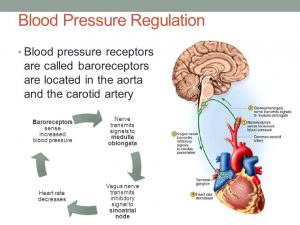 Image Source : www.online-sciences.com
  Image Source : www.jotscroll.com
  Image Source : www.researchgate.net
 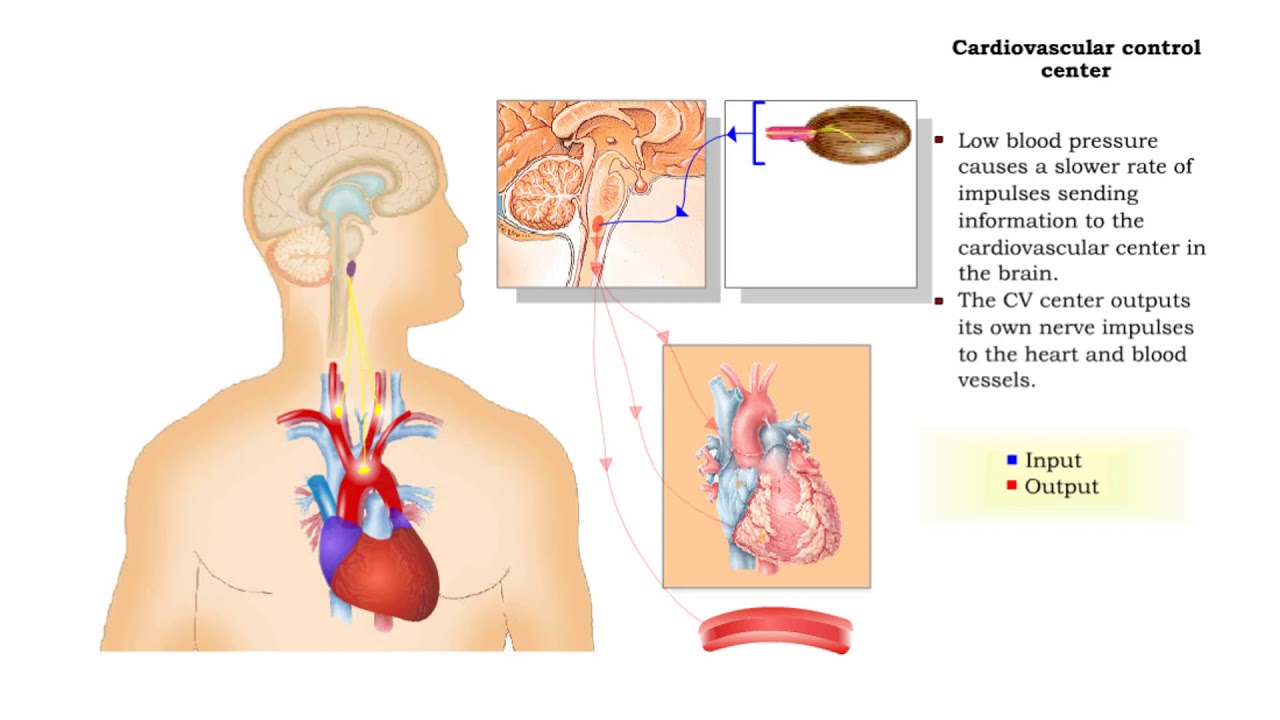 Image Source : www.youtube.com
 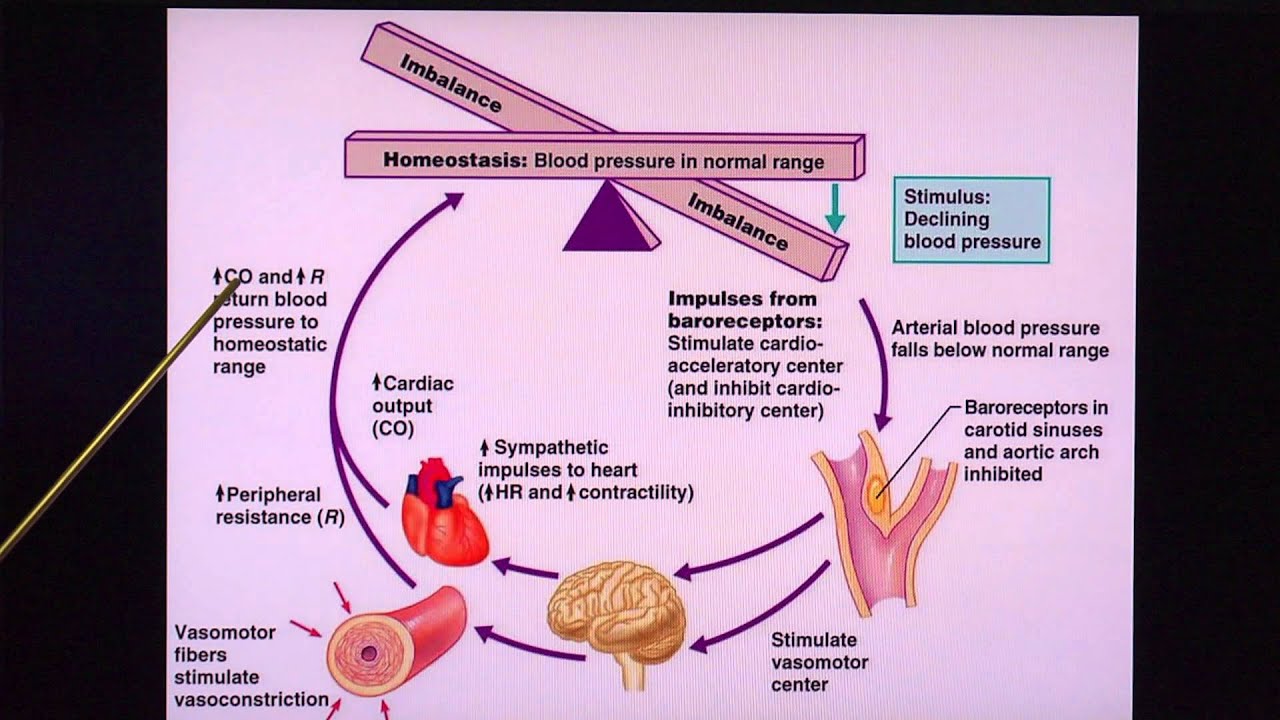 Image Source : anatomycollection.z21.web.core.windows.net
  Image Source : regulationlatest.blogspot.com
  Image Source : www.interactive-biology.com
  Image Source : healthjade.com
Cardiovascular System, Blood Pressure Regulation, Heart Rate & Its
Image Source : www.online-sciences.com cardiovascular regulation mechanisms regulatory receptors atrial arterial
Homeostasis Examples And Meaning In Biology - Jotscroll
Image Source : www.jotscroll.com Systems Involved In The Regulation Of Blood Pressure Adapted From
Image Source : www.researchgate.net regulation involved adapted
Negative Feedback Regulation Of Blood Pressure - YouTube
Image Source : www.youtube.com blood pressure feedback negative regulation
Blood Pressure Homeostasis
Image Source : anatomycollection.z21.web.core.windows.net Regulation Of Blood Pressure Diagram
Image Source : regulationlatest.blogspot.com pressure regulation quizlet rx
Blood Pressure And Its Regulation - Interactive Biology
Image Source : www.interactive-biology.com surfer
Angiotensin, Renin Angiotensin Aldosterone System & Angiotensin 2 Function
Image Source : healthjade.com angiotensin aldosterone system renin function does mechanism action
Blood pressure homeostasis. Negative feedback regulation of blood pressure. Angiotensin, renin angiotensin aldosterone system & angiotensin 2 function. Blood pressure and its regulation. Angiotensin aldosterone system renin function does mechanism action