Self Control Vs Self Regulation
In today's fast-paced world, having the ability to control our emotions, thoughts, and behaviors is crucial to leading a successful and fulfilling life. Two concepts that are often discussed in the realm of personal development and psychology are self-control and self-regulation. While they may seem similar at first glance, there are subtle differences that can greatly impact our growth and well-being. In this article, we will delve into the fascinating world of self-control and self-regulation, exploring their definitions, differences, and practical tips for improving both in your own life.
Self Control

Self-control can be described as the ability to resist short-term temptations or urges in order to achieve a long-term goal. It involves restraining impulses and delaying gratification, even when faced with immediate desires or distractions. Self-control helps us make responsible decisions and maintain a sense of discipline in our lives. With self-control, we can overcome unhealthy habits, manage our time effectively, and stay focused on what truly matters.
Self Regulation
:max_bytes(150000):strip_icc()/psychology-of-self-control-4177125_v2-1519c48033f94be783e79f3adce2821d.png)
Self-regulation, on the other hand, goes beyond simply controlling our impulses. It involves the ability to manage our thoughts, emotions, and behaviors in order to adapt to different situations and achieve desired outcomes. Self-regulation allows us to maintain balance, make rational decisions, and cope with stress effectively. It is a dynamic process that requires self-awareness, self-monitoring, and the ability to adjust our behaviors in response to changing circumstances.
The Key Differences
While both self-control and self-regulation are important for personal growth, they differ in their scope and application. Here are the key differences between the two:
- Focus: Self-control primarily focuses on resisting immediate temptations and impulses, while self-regulation encompasses a broader range of behaviors, thoughts, and emotions.
- Adaptability: Self-control is more rigid and fixed, whereas self-regulation is flexible and adaptable. Self-regulation allows for dynamic adjustments based on the situation at hand.
- Long-Term Goals: Self-control is often associated with achieving long-term goals by resisting short-term gratification. Self-regulation, on the other hand, involves actively managing emotions and behaviors to achieve both short-term and long-term goals.
Tips for Developing Self-Control and Self-Regulation
Now that we have a better understanding of self-control and self-regulation, let's explore some practical tips for developing these important skills:
1. Set Clear and Realistic Goals

Having clear goals provides a sense of direction and purpose. When setting goals, make sure they are realistic, achievable, and aligned with your values. This will help you stay motivated and focused throughout your journey, utilizing both self-control and self-regulation to stay on track.
2. Practice Mindfulness

Mindfulness is a powerful practice that enhances both self-control and self-regulation. By becoming fully present in the moment, you can observe your thoughts and emotions without judgment, allowing you to respond consciously rather than react impulsively. Regular mindfulness practices such as meditation, deep breathing exercises, or journaling can strengthen your ability to regulate your thoughts and emotions.
3. Build Healthy Habits

Habits play a significant role in our daily lives. By developing healthy habits, such as regular exercise, proper nutrition, and good sleep hygiene, you create a foundation for self-control and self-regulation. These habits enhance your physical and mental well-being, making it easier to resist temptations and manage your emotions effectively.
FAQ
Q: What are the benefits of improving self-control and self-regulation?
A: Improving self-control and self-regulation can lead to numerous benefits in various aspects of life. It can improve your academic and professional performance, enhance your relationships, reduce stress and anxiety, promote emotional well-being, and pave the way for long-term success and personal satisfaction.
Q: Can self-control and self-regulation be learned?
A: Yes, both self-control and self-regulation are skills that can be learned and developed. It takes time, practice, and patience to strengthen these abilities, but the effort is worth it. With persistence and dedication, you can cultivate greater self-control and self-regulation, unlocking your full potential.
Q: Are self-control and self-regulation the same as willpower?
A: While willpower is often associated with self-control, it is just one aspect of it. Willpower refers to the ability to resist short-term temptations, but self-control encompasses a wider range of behaviors and emotions. Self-regulation takes it a step further by including the management of thoughts and adaptability to different situations.
As you embark on your journey of self-improvement, remember that developing self-control and self-regulation is an ongoing process. Be patient with yourself, celebrate small victories, and seek support when needed. By mastering these skills, you can unlock your full potential and create the life you deserve.
Disclaimer: The information provided in this article is for educational purposes only and should not be considered as professional advice. Please consult with a qualified professional for personalized guidance.
Sources: - "Self-Regulation vs. Self-Control - The Fantastic Life" - The Fantastic Life - "Value November DESIRE 150 21-22 Model | mtlimburg.ucll.be" - mtlimburg.ucll.be
Self-Regulation Vs. Self-Control - The Fantastic Life
Image Source : thefantasticlife.com Infographic: Self-Reg Vs. Self-Control - Self-Reg With Dr. Stuart
 Image Source : www.pinterest.com
 infographic regulation infographics counselor psychology
What Is Self-Regulation And Why Do You Want To Develop This Skill
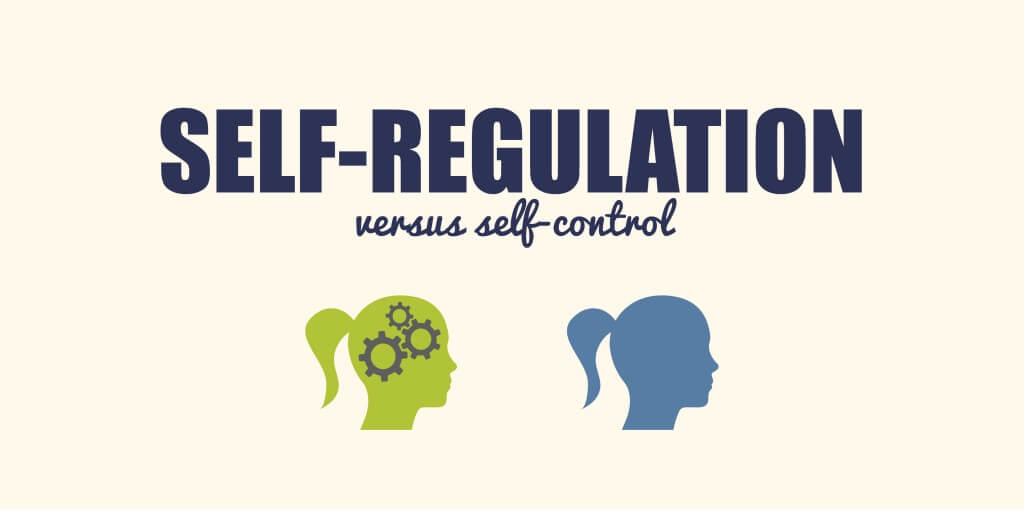 Image Source : www.healingcollective.ca
 self regulation control kindermusik infographic vs
Self-Regulation Vs. Self-Control - Self-Reg
 Image Source : self-reg.ca
 値頃 November DESIRE 150 21-22モデル | Mtlimburg.ucll.be
Image Source : mtlimburg.ucll.be Self-control
 Image Source : www.learning-knowledge.com
 self control regulation being
What Is Self Regulation: 15 Psychology Based Self-Regulation Techniques
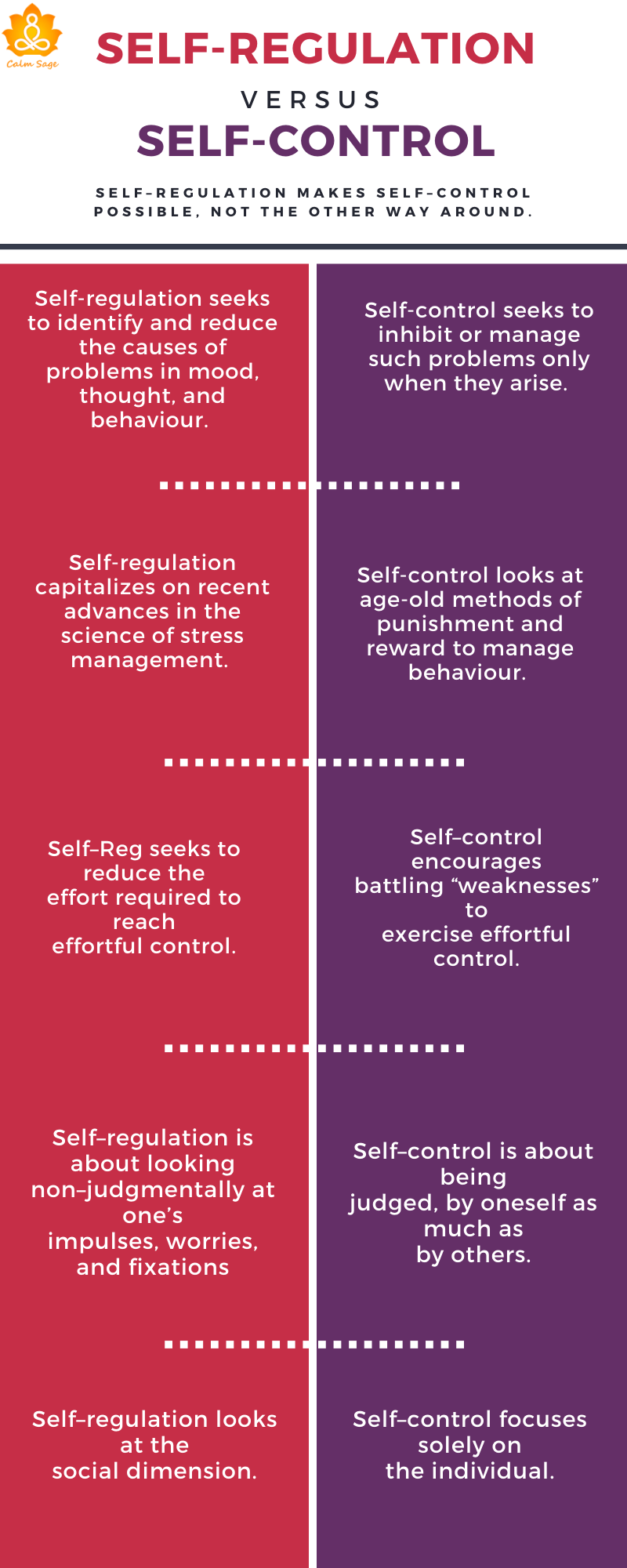 Image Source : www.calmsage.com
 self regulation control techniques adults vs psychology children based
The Shanker Method (@ShankerMethod) | Twitter
 Image Source : twitter.com
 shanker self control method twitter reply retweets likes
The shanker method (@shankermethod). Infographic: self-reg vs. self-control. Infographic regulation infographics counselor psychology. Self regulation control kindermusik infographic vs. Self-regulation vs. self-control