Federal Regulation Of Lobbying Act Of 1946
The Federal Regulation of Lobbying Act of 1946 has had a significant impact on the political landscape of the United States. Enacted with the purpose of creating transparency and accountability in lobbying activities, this Act has shaped the way lobbying is conducted within the country. In this article, we will explore the key provisions of the Act, its historical background, and its implications on governmental decision-making processes.
The History of the Federal Regulation of Lobbying Act of 1946
The Federal Regulation of Lobbying Act of 1946 was enacted as a response to growing concerns regarding the influence of special interest groups on the legislative process. Prior to the Act, there were no specific regulations in place to monitor or disclose lobbying activities. This lack of transparency raised concerns about the potential for corruption and undue influence on lawmakers.

The Act was introduced by Senator Everett Dirksen, a Republican from Illinois, and Congressman Frank Buchanan, a Democrat from Pennsylvania. The bipartisan nature of its introduction highlights the widespread recognition of the need for lobbying regulation across party lines.
Key Provisions of the Act
The Federal Regulation of Lobbying Act of 1946 introduced several important provisions to regulate lobbying activities. These provisions aimed to increase transparency, prevent corruption, and limit the influence of special interest groups.

1. Registration and Disclosure
One of the crucial elements of the Act is the requirement for lobbyists to register with the Secretary of the Senate and the Clerk of the House of Representatives. This registration must occur within 45 days of a lobbyist engaging in lobbying activities. Furthermore, lobbyists are also obligated to disclose the clients they represent, the issues they are advocating for, and the legislative and executive branches they target.
2. Reporting and Recordkeeping
Under the Act, lobbyists are required to file quarterly reports detailing their lobbying activities. These reports include the total amount of money spent on lobbying, as well as any contributions made to political campaigns. Additionally, lobbyists must maintain records of all lobbying activities, such as communications made with government officials and any relevant documents exchanged.
3. Prohibition on Contingent Fees
The Act prohibits lobbyists from receiving compensation based on the success or failure of legislation. This provision aims to prevent undue influence and ensures that lobbyists are motivated by the merits of their arguments, rather than financial gain.
The Implications of the Federal Regulation of Lobbying Act of 1946
The Federal Regulation of Lobbying Act of 1946 has had significant implications on the political landscape of the United States. Some of the key implications include:
1. Increased Transparency
By requiring lobbyists to register and disclose their activities, the Act has increased transparency in the lobbying process. The public and lawmakers now have access to crucial information about who is advocating for certain issues and the financial resources behind these efforts. This transparency helps to identify potential conflicts of interest and ensures accountability.
2. Limiting the Influence of Special Interest Groups
The Act seeks to limit the influence of special interest groups by imposing regulations and disclosure requirements. By shedding light on the financial resources and activities of lobbyists, the Act helps level the playing field and prevents the undue dominance of powerful interest groups, enabling a more balanced decision-making process.
3. Upholding the Integrity of the Legislative Process
The Act plays a significant role in maintaining the integrity of the legislative process. By prohibiting contingent fees and requiring transparency, it aims to ensure that lawmakers are not unduly influenced or swayed in their decision-making by financial incentives. This provision helps to maintain a fair and impartial legislative process that is grounded in the best interests of the public.
Listicle: How the Federal Regulation of Lobbying Act of 1946 Shaped Politics in the United States
1. Advocacy in the Public Interest
The Act paved the way for a more transparent and accountable lobbying landscape, ultimately advocating for the public interest. It aimed to limit the influence of powerful interest groups and ensure equal representation for all citizens.
2. Reshaping the Lobbying Industry
The introduction of the Act led to a reshaping of the lobbying industry. Lobbyists had to adapt to the regulations and requirements set forth by the Act, resulting in a more regulated and professional approach to lobbying activities.
3. Increased Scrutiny and Public Awareness
The Act brought lobbying activities into the public eye, leading to increased scrutiny and awareness. This heightened public awareness of lobbying practices has fueled discussions about the role of money and special interest groups in politics, fostering a more informed citizenry.
FAQs
Q: What is lobbying?
A: Lobbying refers to the activities undertaken by individuals or groups to influence government decisions, policies, or legislation. These activities often involve interacting with government officials, raising awareness about specific issues, and advocating for particular outcomes.
Q: Why was the Federal Regulation of Lobbying Act of 1946 necessary?
A: The Act was necessary to create transparency and accountability in lobbying activities. Prior to its enactment, there were no specific regulations in place to monitor or disclose lobbying activities, which raised concerns about potential corruption and undue influence on lawmakers.
Q: How does the Act promote transparency?
A: The Act promotes transparency by requiring lobbyists to register and disclose their activities, including the clients they represent, the issues they are advocating for, and the branches of government they target. This information is publicly accessible and helps identify potential conflicts of interest.
Q: Does the Act limit freedom of speech?
A: The Act does not directly limit freedom of speech. It merely imposes regulations and disclosure requirements to create transparency. Lobbyists are still able to advocate for their causes and express their opinions; they are just required to disclose certain information about their activities.
As we can see, the Federal Regulation of Lobbying Act of 1946 has played a crucial role in shaping the political landscape of the United States. By introducing transparency measures and imposing regulations on lobbying activities, the Act has contributed to a more informed and accountable decision-making process. The act not only safeguarded the integrity of the legislative process but also ensured that the voices of all citizens can be heard in the corridors of power.
Interest Groups: How Are They Regulated? | United States Government
 Image Source : courses.lumenlearning.com
 lobbyists lobbying interest groups beyond point sign regulation limits term government states united termlimits credit lobbyist
The Atomic Energy Act Of 1946 | The National WWII Museum | New Orleans
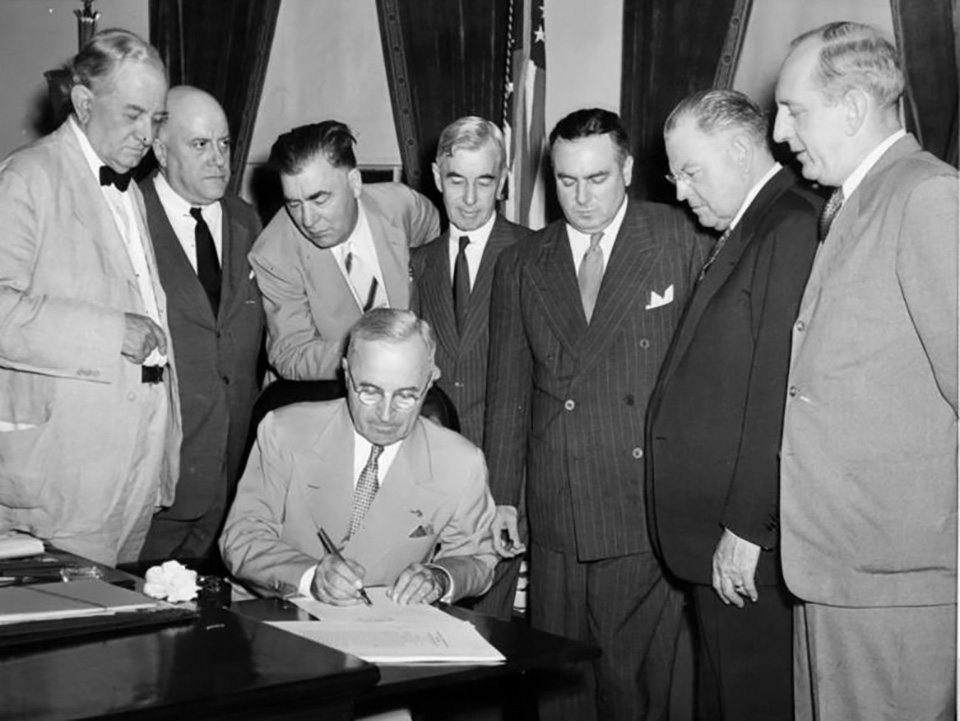 Image Source : www.nationalww2museum.org
 1946 act truman harry oppenheimer manhattan energía atómica nuclear presidente comisión vnec hides aea throwback regulatory reactors lealtad proyecto acta
Quiz & Worksheet - The Federal Regulation Of Lobbying Act Of 1946
 Image Source : study.com
 regulation lobbying federal 1946 act worksheet quiz study require lobbies did
Federal Regulation Of Lobbying Act Of 1946 | Overview, History & Cases
 Image Source : study.com
 Lobbying Act: Anti-corruption Part - Supreme Consult News
 Image Source : supremeconsult.eu
 Regulation Of Lobbying Act | Dún Laoghaire-Rathdown County Council
 Image Source : www.dlrcoco.ie
 main
Antecedentes De La Palabra Lobbying Timeline | Timetoast Timelines
 Image Source : www.timetoast.com
 lobbying
Number Regulation Of Lobbying Act 2015
 Image Source : studylib.net
Image Source : studylib.net 1946 act truman harry oppenheimer manhattan energía atómica nuclear presidente comisión vnec hides aea throwback regulatory reactors lealtad proyecto acta. Quiz & worksheet. Lobbying act: anti-corruption part. Lobbyists lobbying interest groups beyond point sign regulation limits term government states united termlimits credit lobbyist. Regulation lobbying federal 1946 act worksheet quiz study require lobbies did